

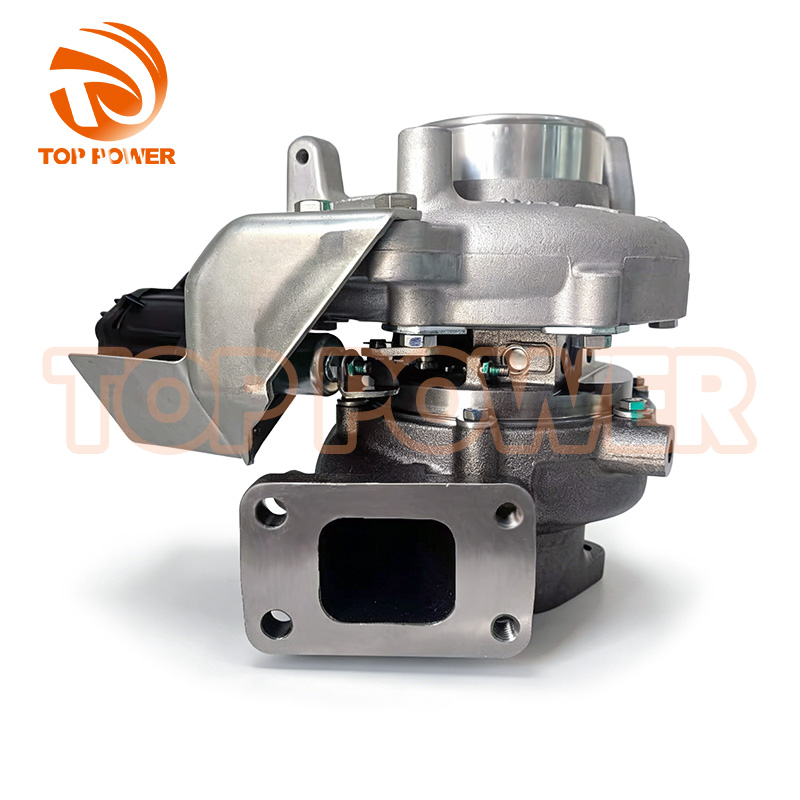
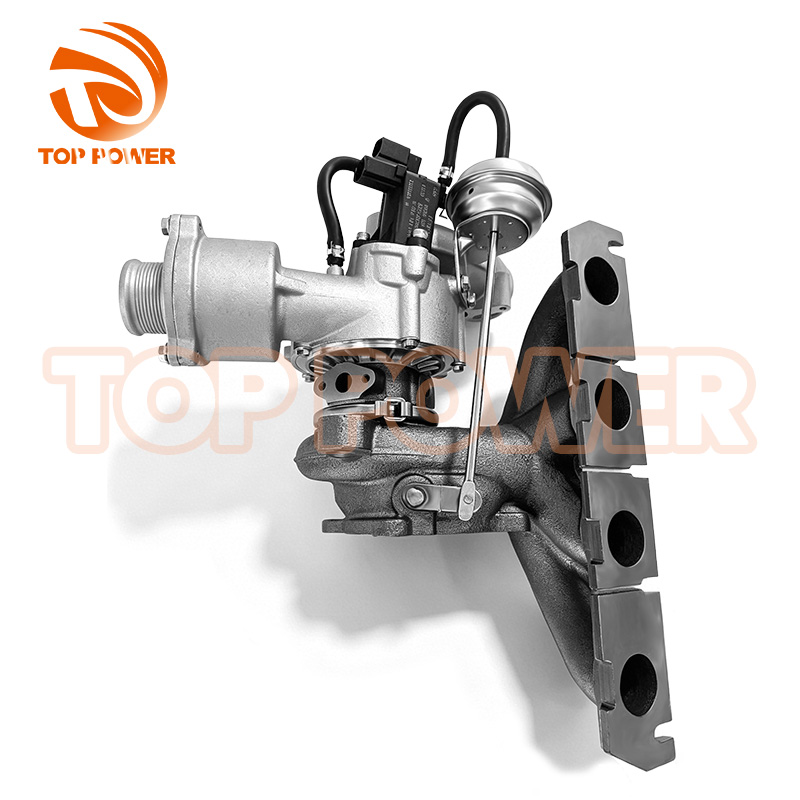
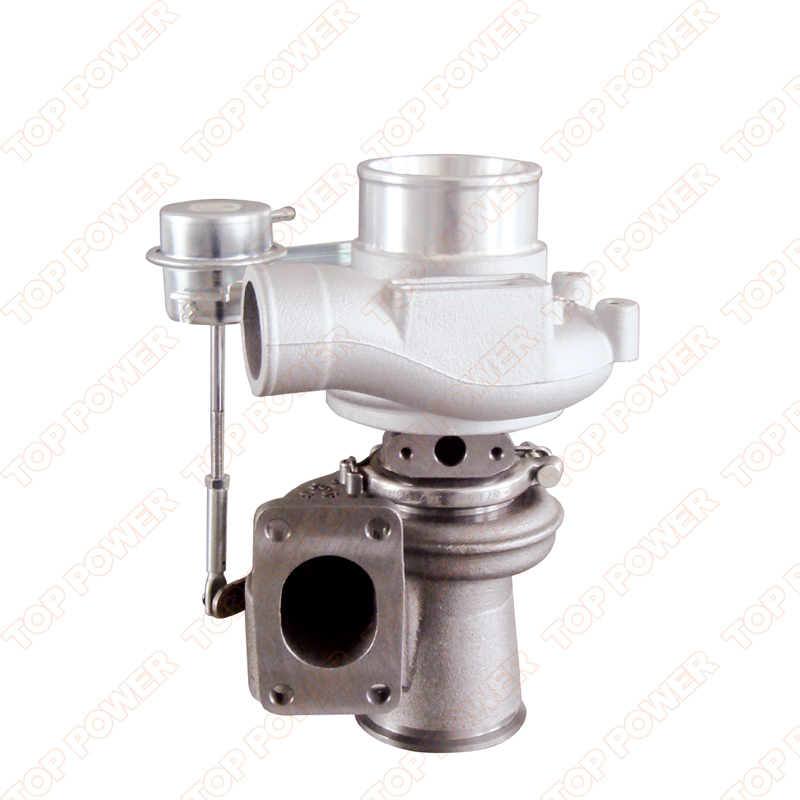
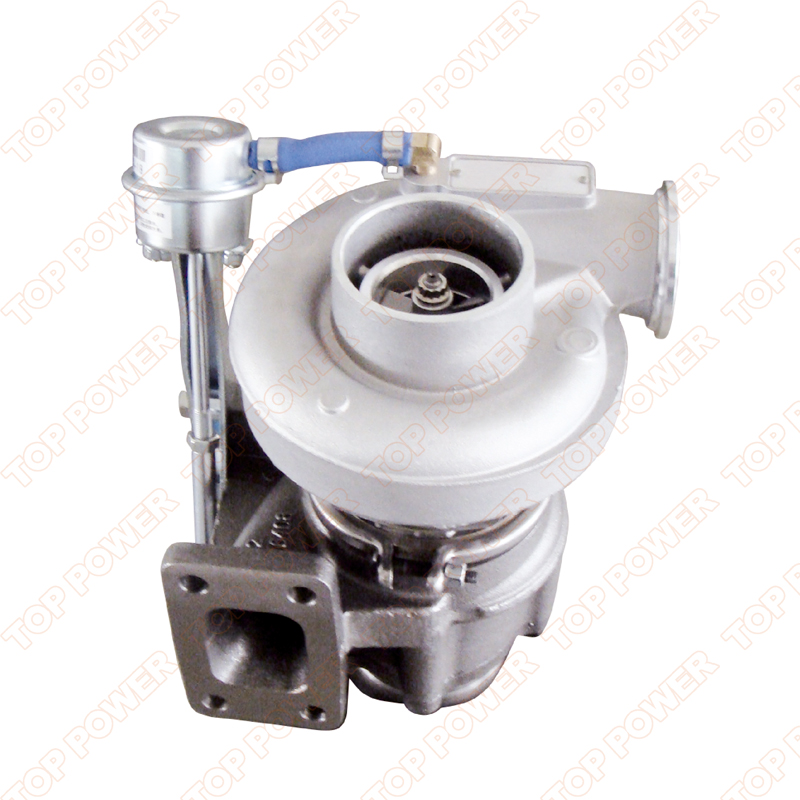
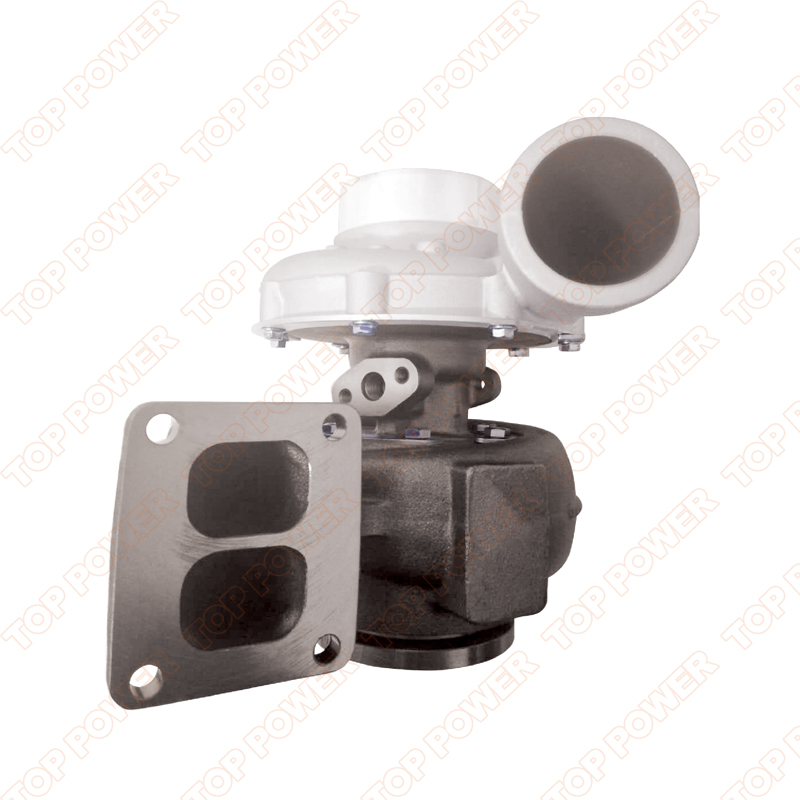
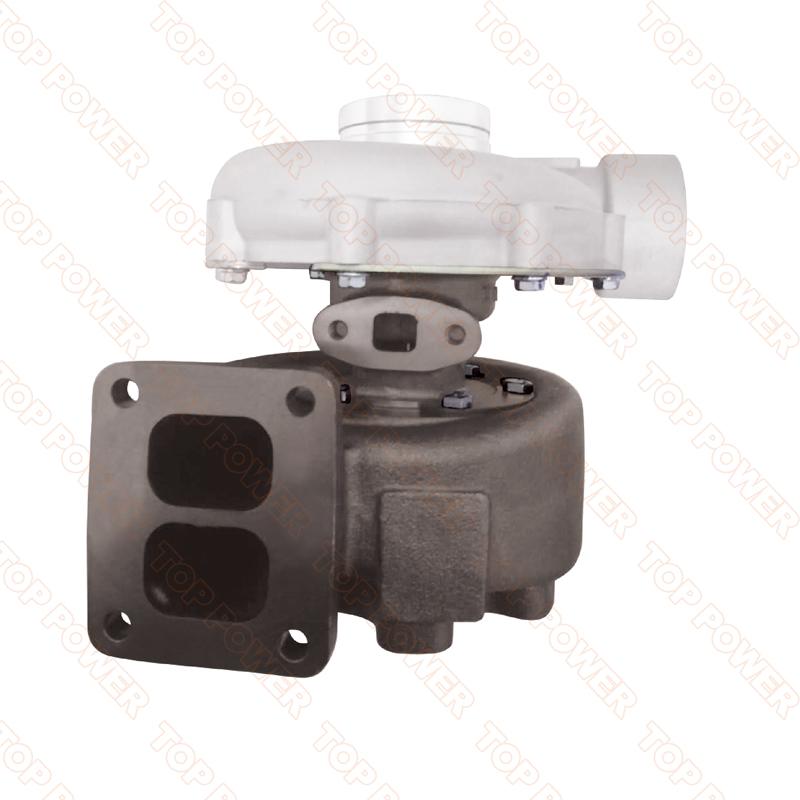
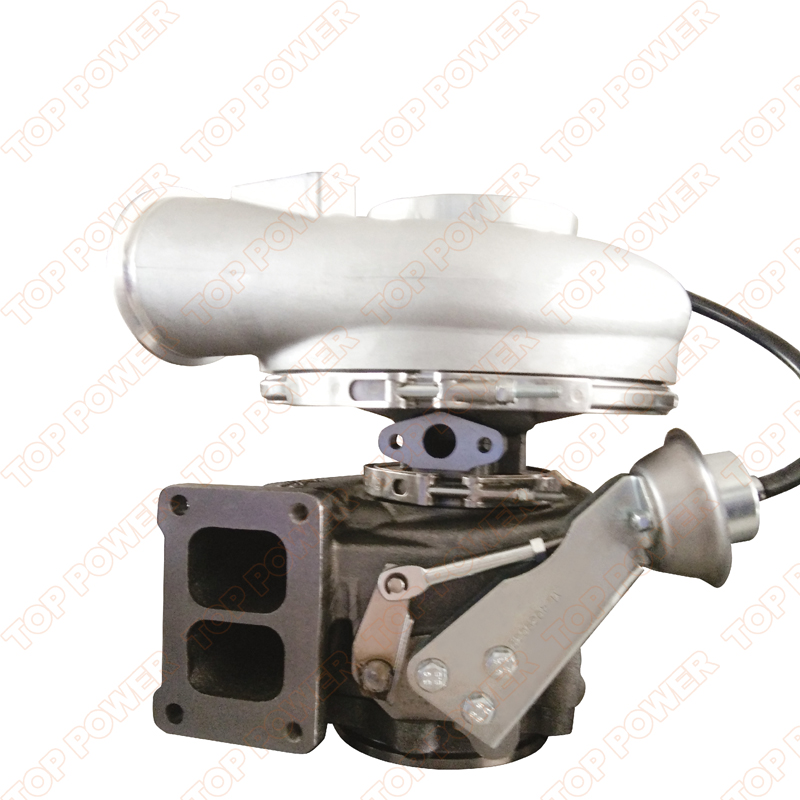
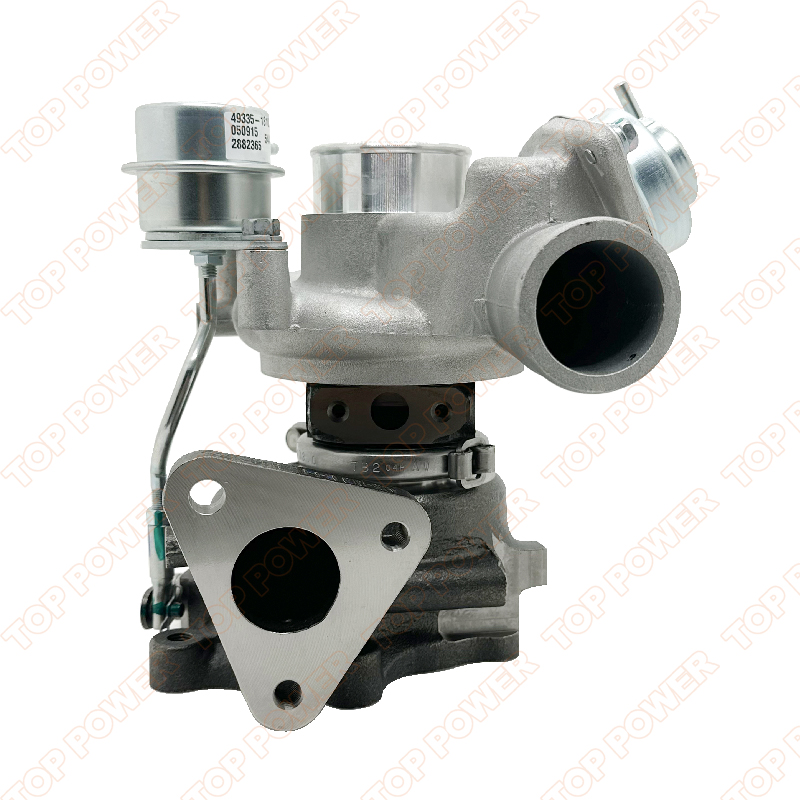

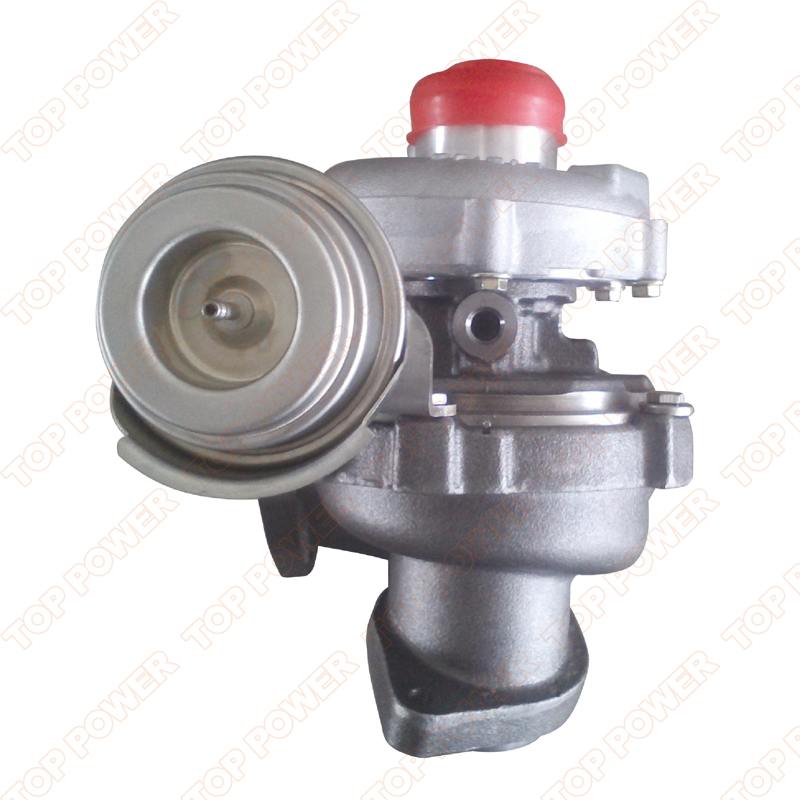

A turbocharger is one of the most important components in modern diesel and commercial vehicle engines. It significantly improves engine power, fuel efficiency, and overall performance. However, like all mechanical parts, a turbocharger has a limited service life. In most cases, it does not fail suddenly. Instead, it gives several early warning signs before complete breakdown occurs.
Understanding these signs is essential for fleet operators, repair workshops, and turbocharger distributors, as early replacement can prevent serious engine damage and reduce overall maintenance costs.
One of the most common symptoms of a failing turbocharger is a noticeable loss of engine power. When the turbo is no longer able to generate sufficient boost pressure, the engine will feel sluggish, especially during acceleration or when carrying heavy loads. Drivers may notice that the vehicle struggles to maintain speed or requires more effort to climb hills. This is often the first and most obvious warning sign.
Another important indicator is abnormal exhaust smoke. A healthy turbocharger helps maintain proper air-fuel balance. When it starts to fail, incomplete combustion may occur, resulting in black smoke from the exhaust due to excessive fuel or blue smoke caused by oil leaking into the combustion system. If this condition is ignored, it can quickly lead to carbon buildup and further engine damage.
Unusual noises coming from the turbocharger are also a strong warning signal. A high-pitched whining sound, siren-like noise, or metal friction sound usually indicates internal wear, such as damaged bearings, shaft imbalance, or compressor wheel contact. These sounds typically become more noticeable under acceleration. Once abnormal noise appears, it often means the turbocharger is already in a critical condition and should be inspected immediately.
Oil leakage is another serious symptom that should not be ignored. If oil is found around the compressor housing, turbine housing, or intake pipes, it may indicate seal failure or excessive shaft clearance inside the turbocharger. Oil leakage not only reduces turbo efficiency but can also contaminate the intake system, intercooler, and even the engine combustion chamber.
In addition to mechanical symptoms, increased fuel consumption can also indicate turbocharger problems. When the turbo is not operating efficiently, the engine must burn more fuel to compensate for the loss of air pressure and maintain performance. Over time, this leads to higher operating costs and reduced fuel economy, especially for commercial fleets where fuel efficiency is critical.
Another indirect but important sign is excessive engine heat or frequent overheating issues. A malfunctioning turbocharger can disrupt the air intake system and combustion balance, leading to higher engine temperature during operation. If not addressed in time, this may cause long-term damage to pistons, valves, and other engine components.
For fleet managers and maintenance teams, it is always more cost-effective to replace a turbocharger at the early stage of failure rather than waiting for complete breakdown. A fully failed turbocharger can result in severe engine contamination, unexpected downtime, and significantly higher repair costs. In commercial transportation, even a short period of vehicle downtime can lead to delivery delays and financial losses.
That is why early diagnosis and timely replacement are critical in maintaining engine reliability and operational efficiency. Regular inspection of boost pressure, oil condition, and exhaust behavior can help identify problems before they escalate.
At Fengcheng Top Power, we specialize in supplying high-quality turbochargers for a wide range of diesel engine applications, including commercial trucks, buses, construction machinery, and agricultural equipment. Our products are designed with stable performance, strong durability, and precise OEM-level fitment to ensure reliable engine operation.
We support a wide selection of part numbers and models, and can provide fast quotation and matching assistance based on engine code or OEM reference number. If you are looking for replacement turbochargers or long-term supply cooperation, feel free to contact us for professional support.