

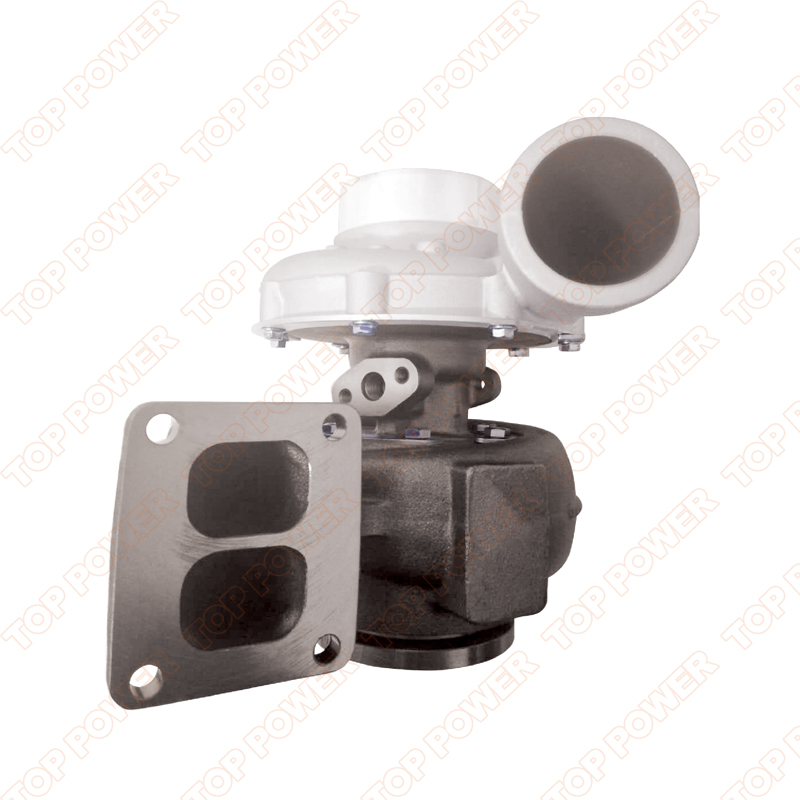
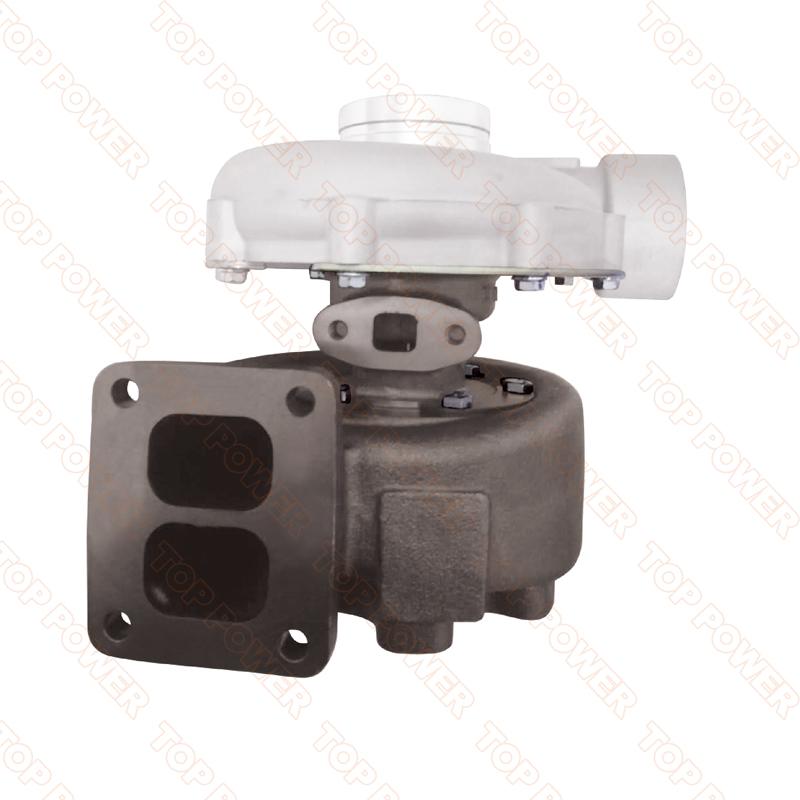
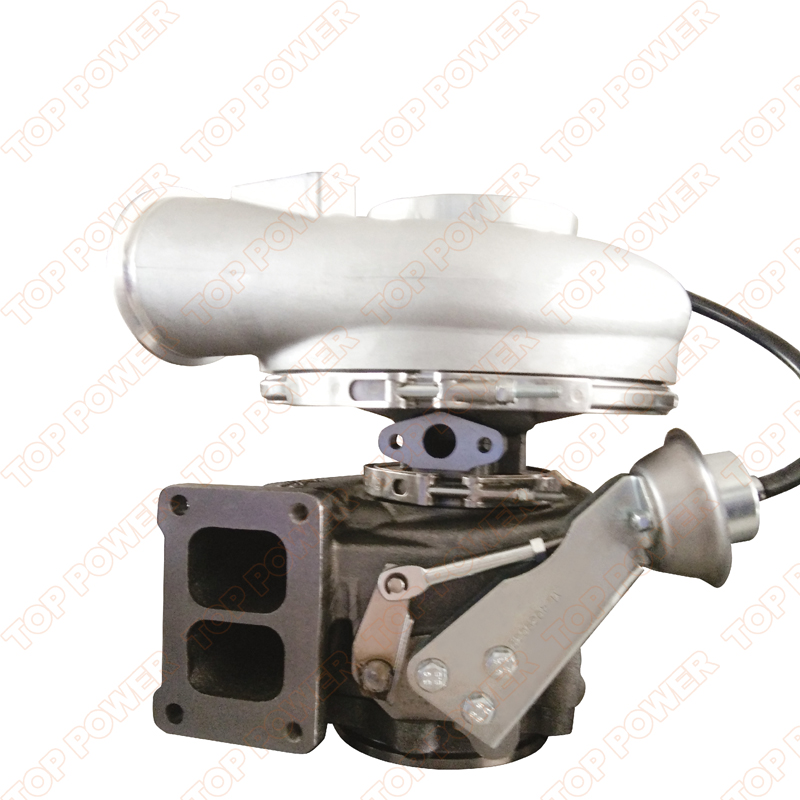
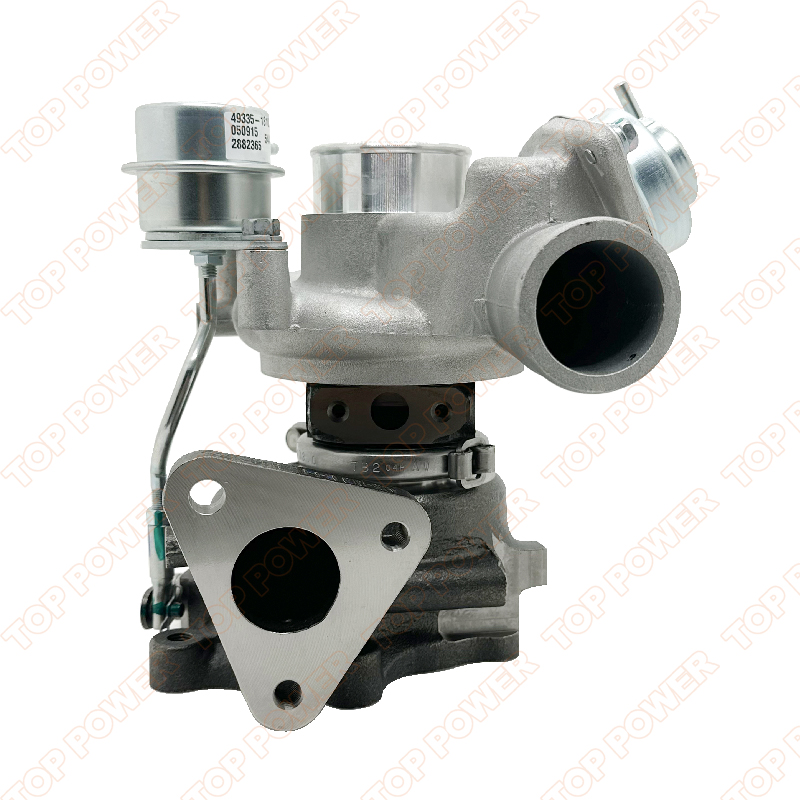


Billet Wheel: Flank Milling vs Point Milling
As the demand for high-performance turbochargers continues to grow, billet compressor wheels have become increasingly popular in both the performance aftermarket and OEM upgrades. Known for their strength, lightweight structure, and precise aerodynamics, billet wheels are typically machined from solid aluminum using advanced CNC technology. Behind their sleek design, however, lies an important manufacturing choice: flank milling or point milling.
Both methods are widely used in the industry, and each has its own advantages depending on the production goals.
Flank milling uses the side of the cutting tool to machine the surface of the blade. Because the cutter matches the blade geometry more closely, it can produce a very smooth surface with fewer machining passes. This often results in better surface quality and more consistent blade profiles. For manufacturers producing billet wheels in larger volumes, flank milling can improve efficiency while maintaining high precision.
On the other hand, point milling—often done with ball-end cutters—uses the tip of the tool to gradually shape the blade surface. While it typically requires more passes to achieve the final finish, point milling offers excellent flexibility. It allows engineers to machine complex shapes and make design adjustments more easily, which makes it especially useful during prototyping or for small production runs.
In practice, many manufacturers combine both techniques. Point milling may be used during the rough machining stage to remove material and shape the wheel, while flank milling can be applied during finishing to achieve smoother blade surfaces and tighter tolerances.
For turbocharger performance, the machining process matters. A well-machined billet compressor wheel can improve airflow efficiency, reduce turbulence, and help the turbo respond more quickly. These small improvements can translate into better boost response and more stable performance at high speeds.
As CNC technology and tooling continue to evolve, both flank milling and point milling will remain important methods in billet wheel manufacturing. Choosing the right process ultimately depends on the balance between precision, production volume, and flexibility—factors that every turbocharger manufacturer carefully considers.
In the end, while the differences may seem technical, the goal is simple: to produce compressor wheels that help turbochargers perform better, respond faster, and last longer.