

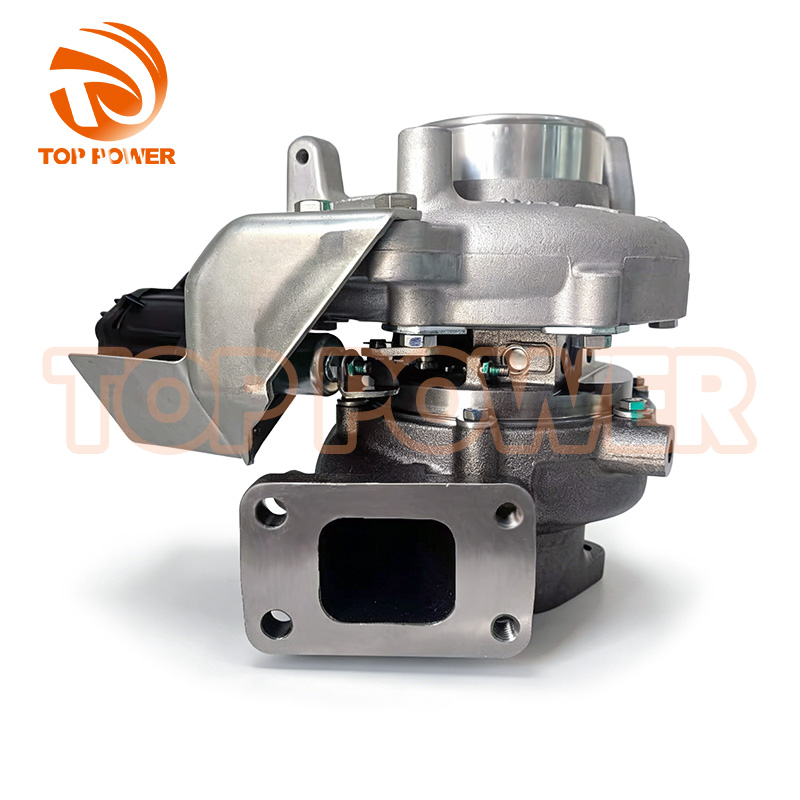
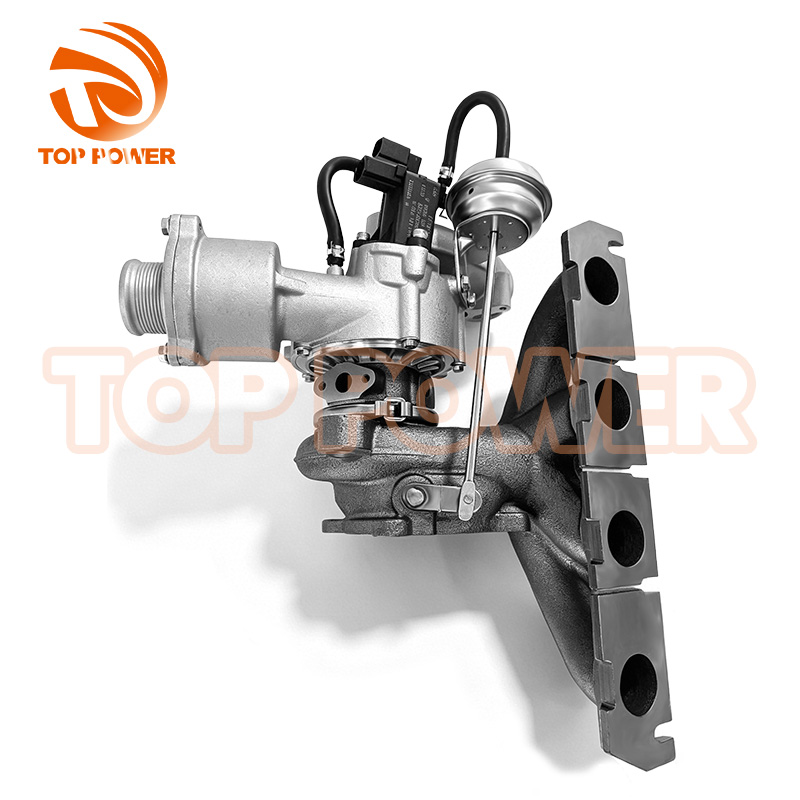
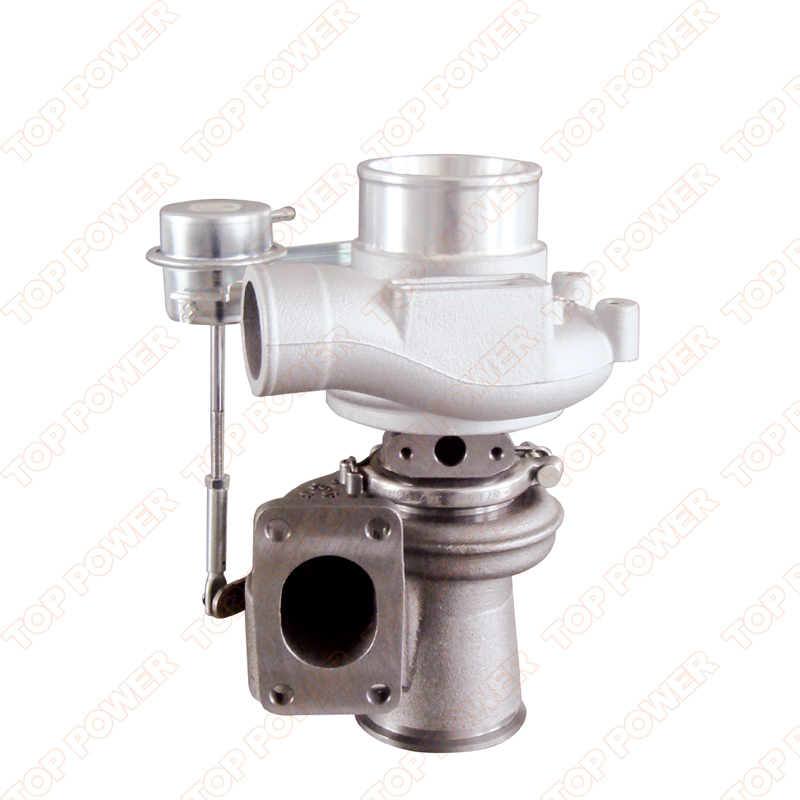
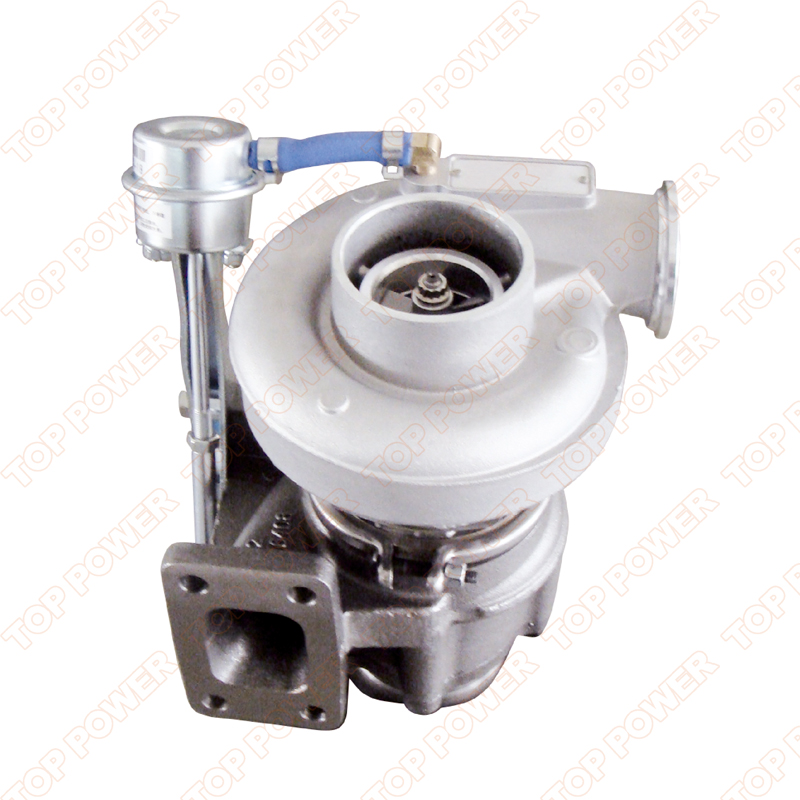
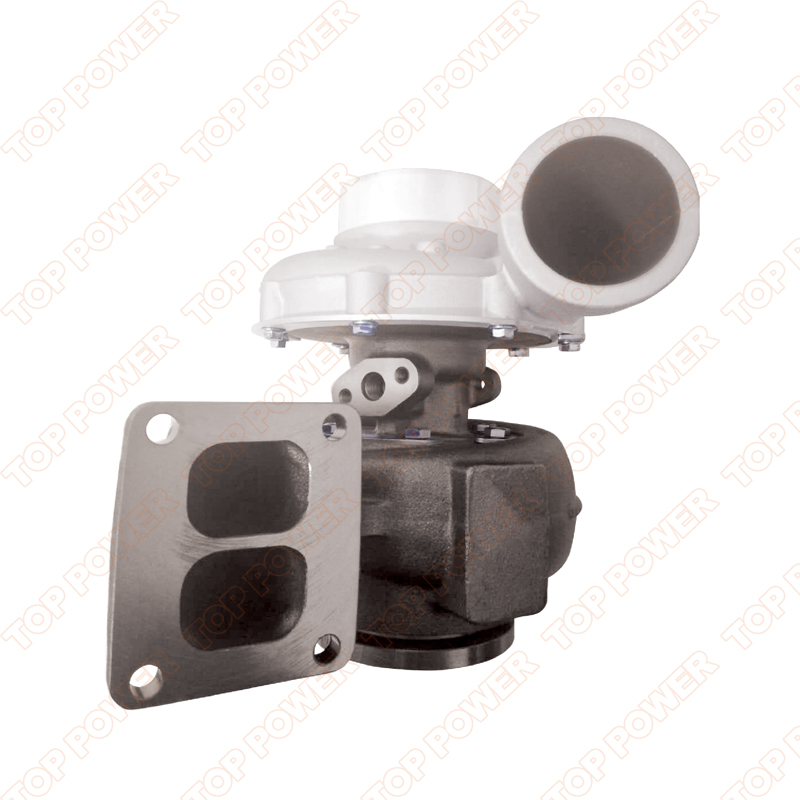
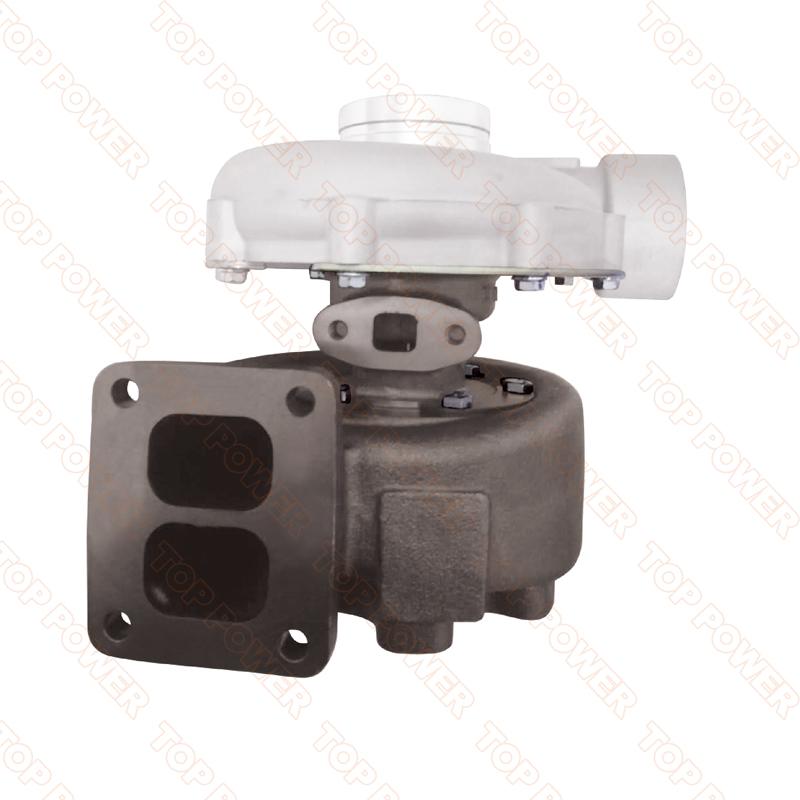
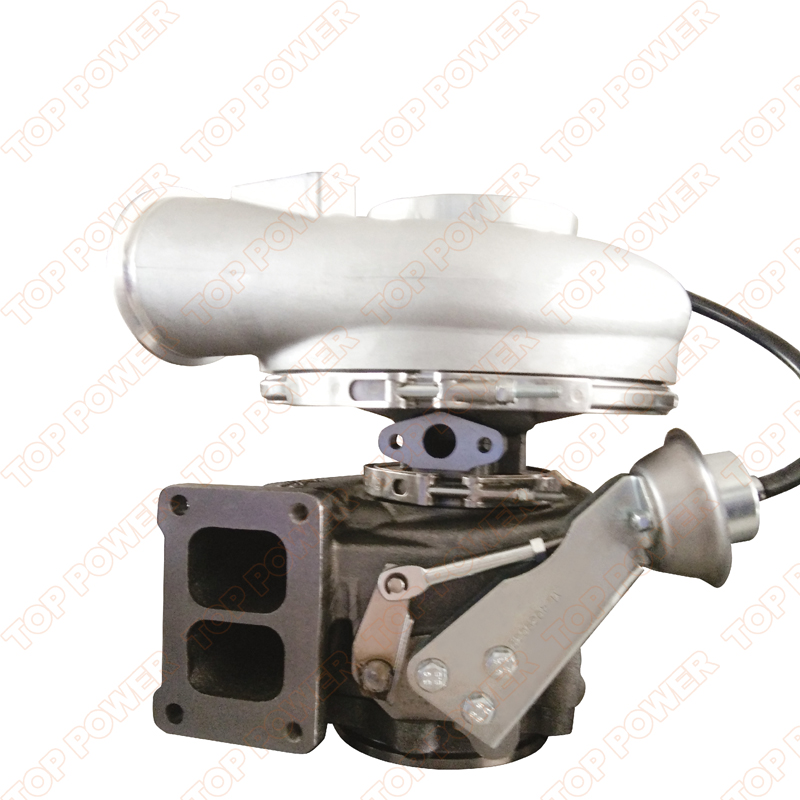
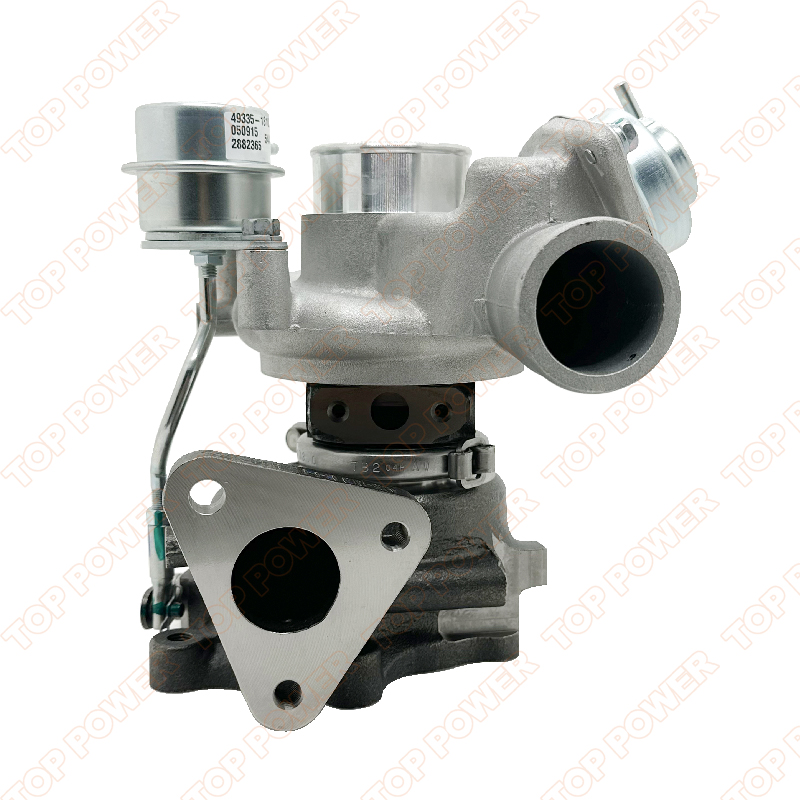

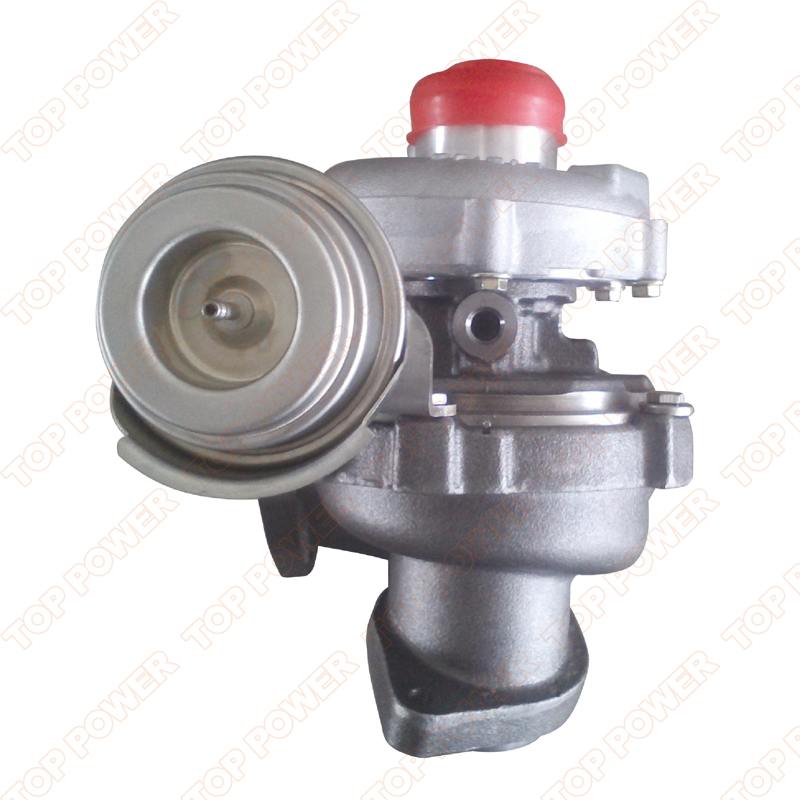

How to Choose the Right Aftermarket Turbocharger for Replacement
For repair shops, fleet managers, and auto parts buyers, selecting the correct aftermarket turbocharger is critical to reliable engine performance, reduced downtime, and long-term cost efficiency. A poorly matched or low-quality replacement turbo can lead to premature failure, poor fuel economy, repeated repairs, and even engine damage. To help you make an informed sourcing decision, we’ve broken down the most important factors to consider when choosing a replacement turbocharger for the aftermarket.
1. Start with Exact Fitment & OEM Compatibility
The first rule of turbo replacement is perfect fitment. Never rely on approximate vehicle models alone—always cross-check the original OEM part number, engine type, displacement, and application (passenger car, light commercial, heavy-duty truck, off-highway equipment).
A high-quality aftermarket turbo should be a direct-fit replacement, requiring no modifications during installation. This saves labor time for repair shops and ensures consistent performance identical to the original component.
2. Insist on Quality Materials & Strict Manufacturing Standards
Cheap, low-grade turbos often use inferior casting, weak bearings, and heat-resistant materials that cannot withstand high exhaust temperatures. Look for manufacturers that use premium materials such as Inconel for turbine wheels, durable bearing systems, and precision-machined components.
Trusted aftermarket turbo producers follow strict quality controls, including balanced rotor assembly, pressure testing, and leakage inspection. Certifications like IATF 16949 also indicate a reliable production system suitable for automotive aftermarket supply.
3. Evaluate Real-World Performance & Durability
Replacement turbos must deliver stable boost pressure, minimize turbo lag, and resist wear under continuous operation. For commercial and heavy-duty applications, durability is non-negotiable—fleets cannot afford frequent turbo failures on the road.
Ask your supplier for performance data, real application feedback, and fatigue test results. A reliable aftermarket turbo should match or exceed the service life of typical OE alternatives in daily operating conditions.
4. Review Warranty & Technical Support
A reputable aftermarket turbo supplier will offer a clear, fair warranty policy. Beyond warranty, professional technical support for installation, troubleshooting, and model matching is equally valuable for buyers and repair centers.
Avoid suppliers that provide no after-sales assistance or vague warranty terms—this often signals low product confidence.
5. Consider Total Cost of Ownership (TCO)
The lowest upfront price is rarely the most economical choice. Low-cost turbos may fail early, increasing labor, replacement, and vehicle downtime costs.
Prioritize cost-performance ratio over pure price. A slightly higher-investment, high-quality aftermarket turbo delivers better TCO by extending service intervals and reducing repeat repairs.
6. Partner with a Professional Aftermarket Turbo Manufacturer
For bulk purchasing, wholesale, and long-term supply, work with a dedicated aftermarket turbo manufacturer that offers stable inventory, flexible order quantities, fast delivery, and customized packaging solutions.
Established manufacturers understand the unique needs of the aftermarket segment and can provide consistent, reliable products tailored to global vehicle models.
Final Thoughts
Choosing the right replacement turbocharger is about fitment, quality, reliability, and support—not just price. By focusing on these key factors, you can reduce maintenance headaches, improve customer satisfaction, and build a more profitable parts supply or repair business.
As a specialized aftermarket turbocharger manufacturer, we provide direct-fit, high-performance replacement turbos for passenger, commercial, and heavy-duty applications worldwide, backed by strict quality control and dependable after-sales service.