


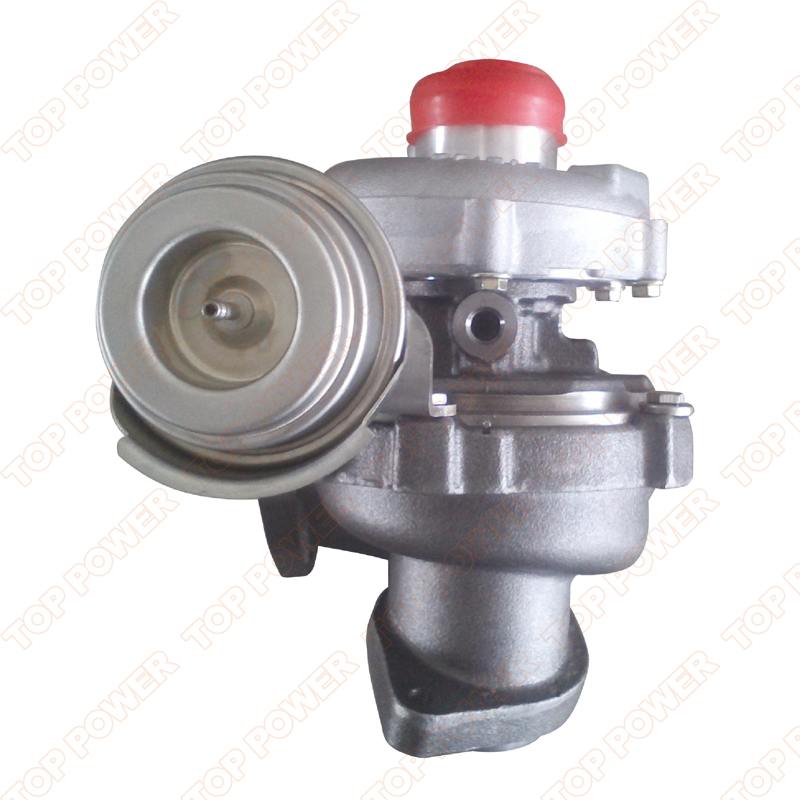

How to Diagnose a Failing Turbocharger Step by Step
When a turbocharger starts to fail, the symptoms are often easy to notice but not always easy to diagnose correctly. Replacing a turbo without finding the root cause can lead to the same failure happening again.
This step-by-step guide focuses on practical checks that can be done in real situations — whether you are a technician or a buyer trying to understand the issue.
Step 1: Check the basic symptoms
Start with what you can see and feel during driving:
Loss of power or slow acceleration
Excessive smoke from exhaust
Whining, grinding, or unusual noise
Engine warning light
Increased oil consumption
👉 These are early signals that something in the turbo system may be wrong.
Step 2: Identify the type of smoke
Smoke color gives strong clues:
Blue smoke → oil burning (possible turbo oil seal issue)
Black smoke → too much fuel or not enough air (boost problem)
White smoke → possible coolant or incomplete combustion
👉 This step helps narrow down whether the issue is oil-related or airflow-related.
Step 3: Inspect for oil leaks
Check around the turbocharger:
compressor housing
turbine housing
oil feed and return lines
intercooler pipes
A small oil film can be normal, but heavy oil accumulation or dripping is not.
👉 Oil leaks often point to seal issues, but can also be caused by blocked oil return lines or high crankcase pressure.
Step 4: Check shaft play
Remove the intake pipe and gently check the shaft:
Radial play (side to side) → small movement is normal
Axial play (in and out) → should be minimal
If the wheel touches the housing or feels loose:
👉 Bearings are likely worn → turbo needs repair or replacement
Step 5: Inspect compressor and turbine wheels
Look for visible damage:
chipped or bent blades
signs of rubbing
oil contamination
👉 Damage here usually means:
foreign object ingestion
severe wear
imbalance
Step 6: Check boost pressure
Use a scan tool or gauge to verify boost:
Low boost → leak, actuator issue, or worn turbo
Overboost → wastegate or actuator problem
👉 Boost data helps confirm whether the turbo is working correctly.
Step 7: Inspect actuator and control system
Depending on the turbo type:
Check wastegate actuator movement
Inspect vacuum lines or electronic connections
Look for stuck linkage or faulty control signals
👉 Many “turbo problems” are actually actuator or control issues.
Step 8: Check oil supply
Poor lubrication is one of the main causes of turbo failure:
blocked oil feed line
dirty engine oil
low oil pressure
👉 If oil supply is bad, even a new turbo will fail quickly.
Step 9: Look for root cause before replacing
This is the most important step.
Before replacing the turbo, always ask:
Why did it fail?
Was it oil-related?
Was there foreign object damage?
Is the engine system clean?
👉 Skipping this step = repeat failure
Final takeaway
Diagnosing a failing turbocharger is not about guessing — it’s about systematic checking.
Most turbo issues can be identified through simple inspection steps: smoke, oil, shaft play, boost, and control system.
👉 The key is not just finding the failure, but understanding the cause behind it.