

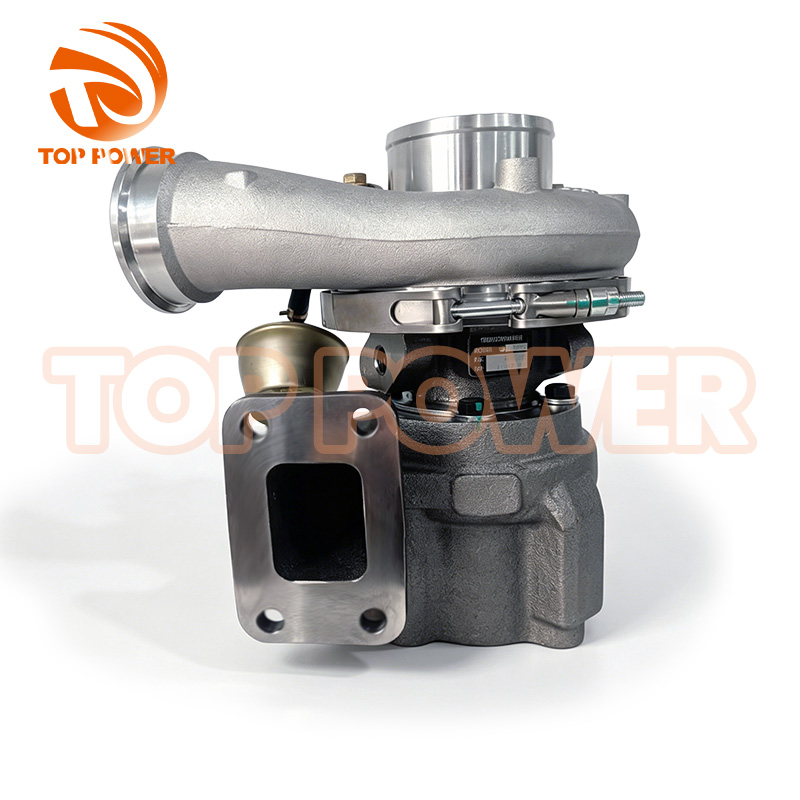
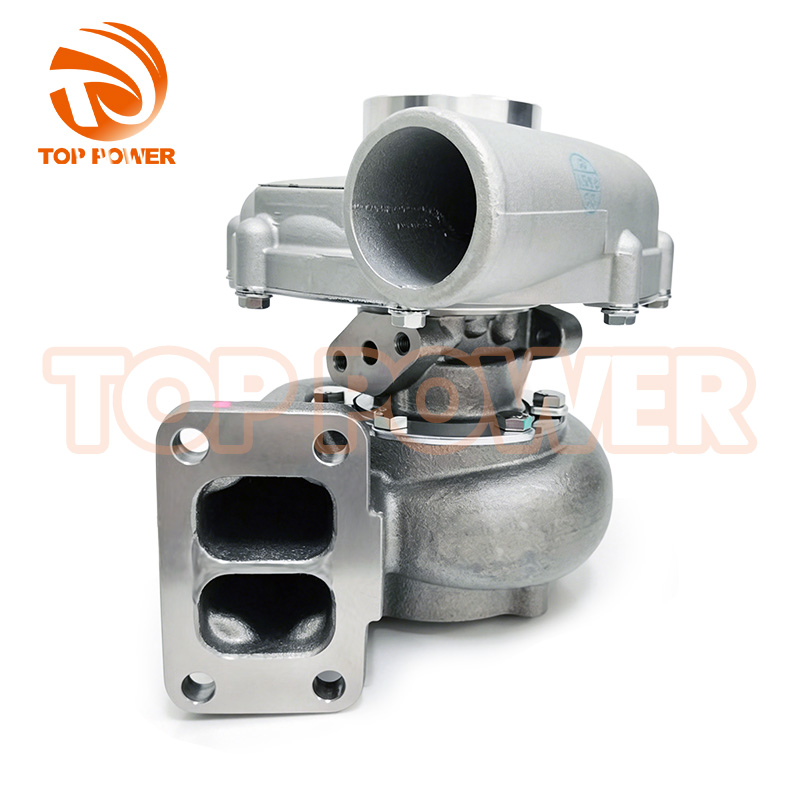
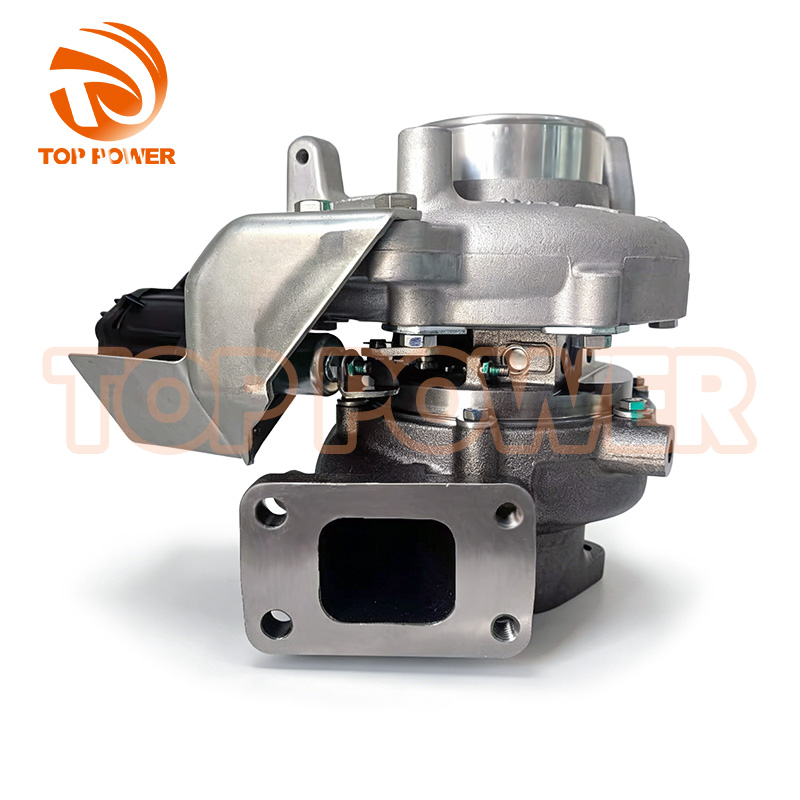
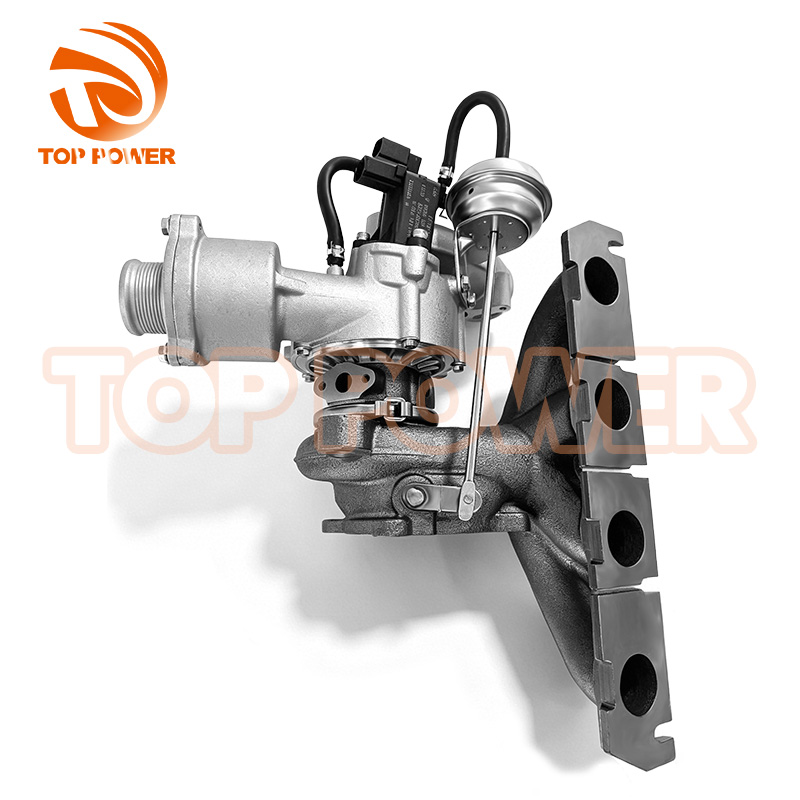

Inside Turbo Manufacturing: From Precision Casting to Final Assembly
In today’s global automotive and industrial markets, turbochargers have become a critical component in improving engine efficiency, power output, and emission control. Whether for passenger vehicles, heavy-duty trucks, marine engines, or construction machinery, the demand for high-performance turbochargers continues to grow rapidly.
However, behind every reliable turbocharger is not just a product—it is a highly controlled engineering system involving material science, precision machining, dynamic balancing, and strict quality assurance. Understanding how a turbocharger is manufactured helps buyers and distributors better evaluate product stability and long-term performance.
At our manufacturing facility, turbo production follows a complete end-to-end process, from raw material selection to final inspection. Each step is designed to ensure consistency, durability, and performance under extreme operating conditions.
1. Raw Material Selection and Precision Casting
The manufacturing process begins with strict raw material selection. Turbochargers operate under extremely high temperatures and rotational speeds, which means only heat-resistant and high-strength alloys can be used.
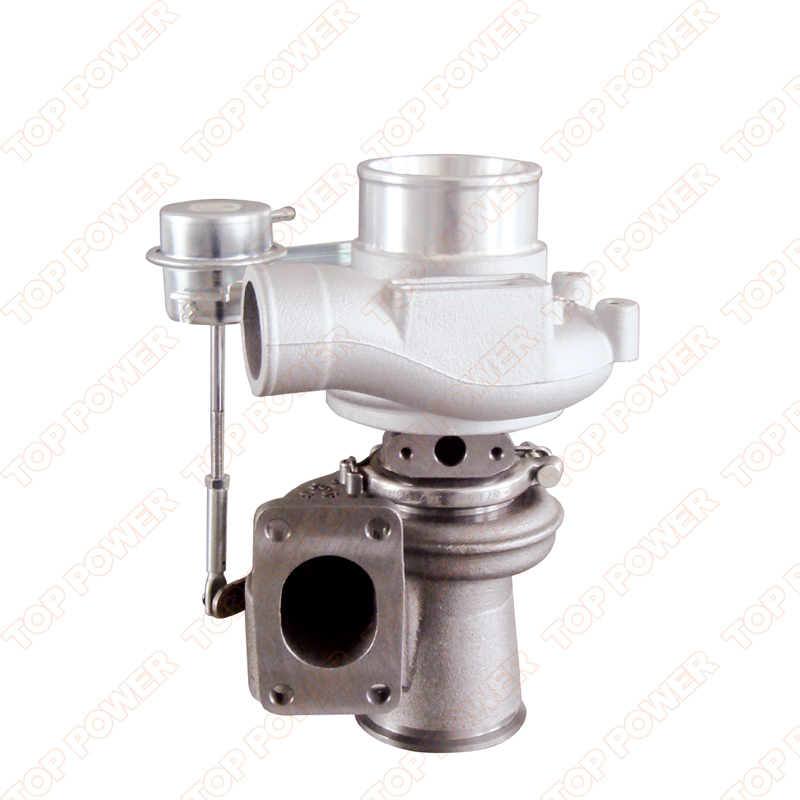
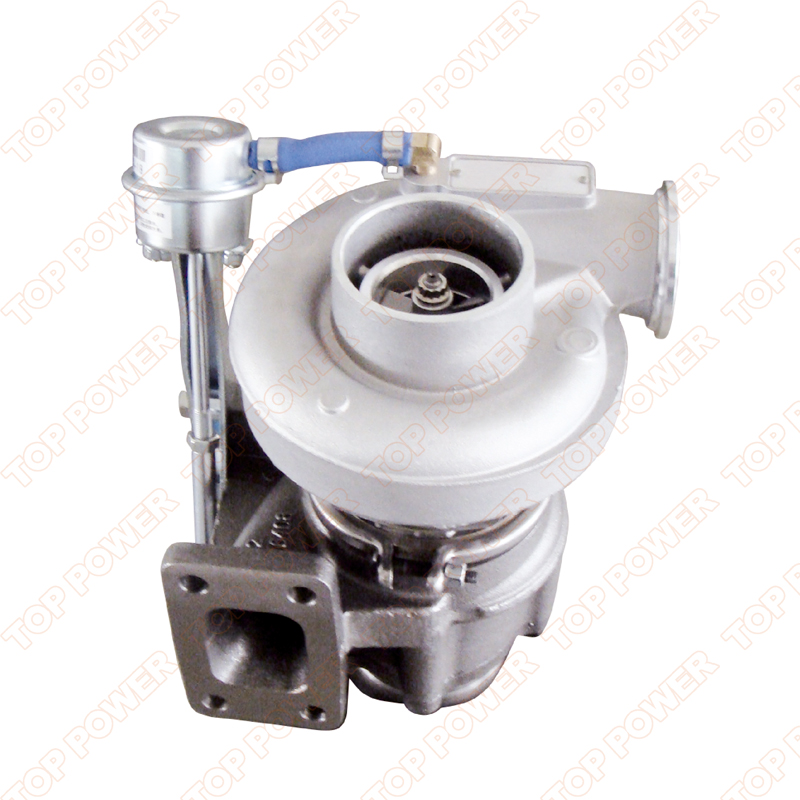
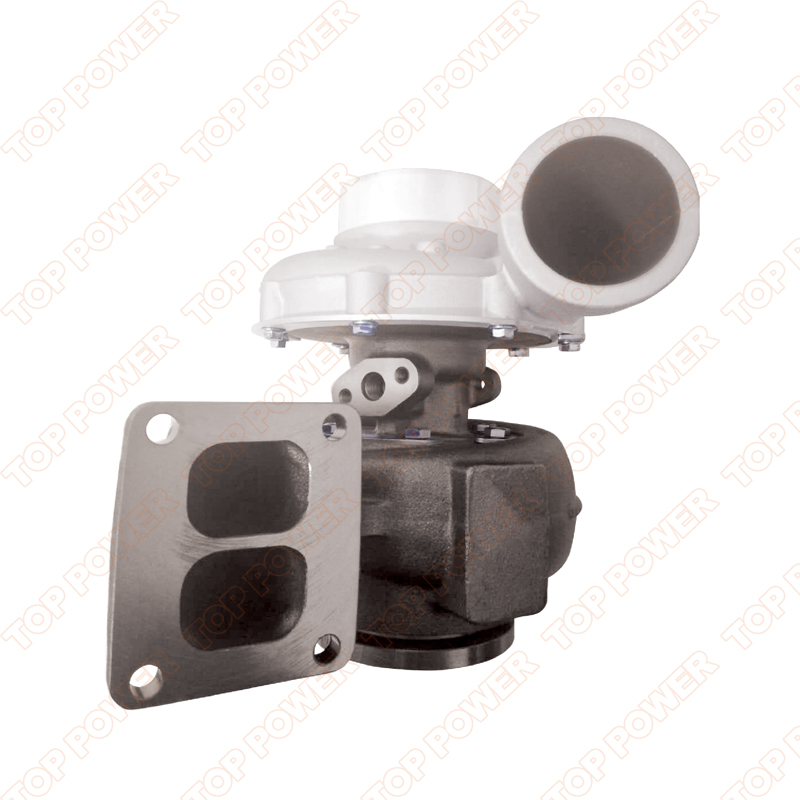
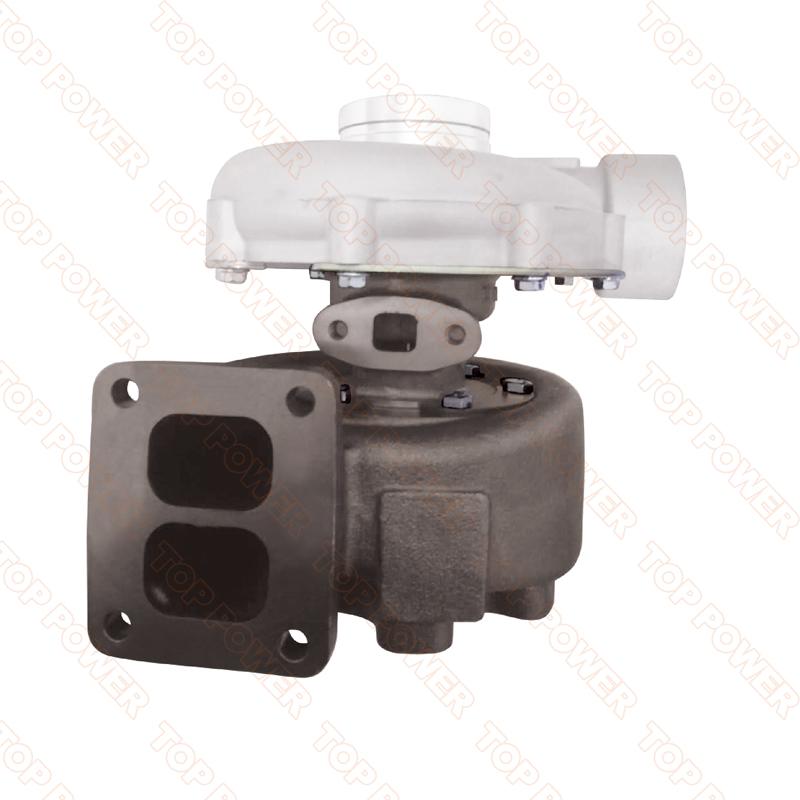
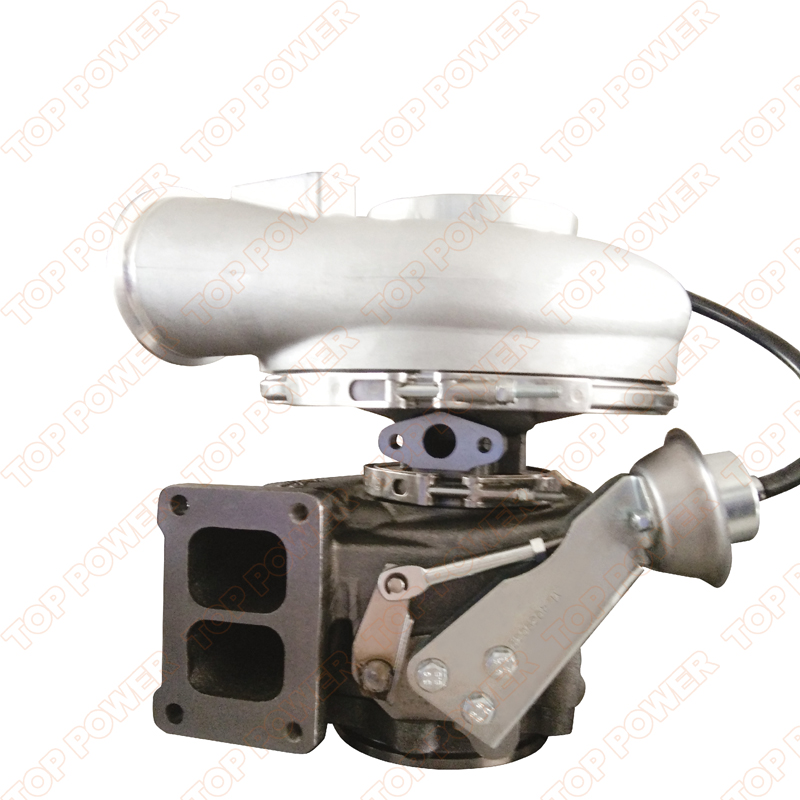
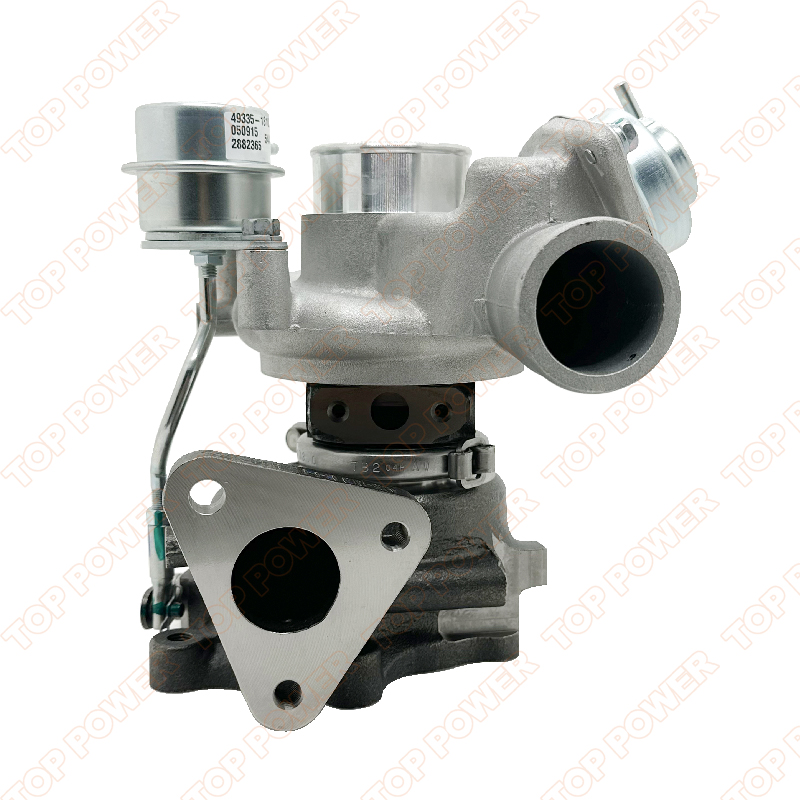
Once materials are confirmed, precision casting is applied to form key structural components such as the turbine housing and compressor housing. During this stage, temperature control, mold accuracy, and cooling rate must be carefully managed. Even minor inconsistencies in casting can affect airflow efficiency and long-term structural durability.
This stage determines the foundation of the turbocharger’s performance. A stable and well-cast housing ensures better thermal resistance, reduced deformation risk, and longer service life.
2. CNC Machining and Dimensional Accuracy
After casting, all components enter CNC machining. This is one of the most critical steps in the entire manufacturing process.
Modern turbochargers require extremely tight tolerances, often measured at micron level. CNC machines are used to refine every surface, bore, and sealing interface. The compressor wheel housing, turbine inlet, and shaft alignment areas must all meet exact specifications.
Precision at this stage directly impacts airflow efficiency, boost response, and overall engine performance. Even a small machining error can result in imbalance, reduced efficiency, or premature wear.
3. Core Component Assembly in Controlled Environment
Once machining is completed, core components such as the turbine wheel, compressor wheel, shaft, bearing system, and actuator are assembled.
This process is performed in a controlled environment to prevent dust or contamination from affecting sensitive components. The rotating assembly must be carefully aligned to ensure smooth operation under high-speed conditions, often exceeding tens of thousands of RPM.
Each assembly step follows strict technical standards to guarantee stability, responsiveness, and durability during engine operation.
4. High-Speed Dynamic Balancing and Performance Testing
After assembly, every turbocharger undergoes dynamic balancing. This step is essential because even slight imbalance at high rotational speeds can lead to vibration, noise, or mechanical failure.
Using specialized balancing equipment, technicians calibrate the rotating assembly to ensure smooth operation across the full speed range. The turbo is then tested under simulated operating conditions to verify boost pressure, response time, and airflow stability.
This testing process ensures that every unit delivered can perform reliably under real-world engine loads.
5. Quality Inspection and Final Packaging
Before leaving the factory, each turbocharger goes through a final inspection process. This includes structural checks, sealing verification, surface quality review, and functional confirmation.
Only products that pass all inspection stages are approved for packaging. Proper protective packaging is then applied to ensure safe transportation during international shipping, reducing the risk of damage during logistics handling.
Commitment to Quality and Global Supply
From raw material selection to final delivery, every stage of production reflects a commitment to engineering precision and manufacturing consistency. Turbochargers are not simple replacement parts—they are high-performance components that directly affect engine reliability, fuel efficiency, and overall vehicle performance.
This is why strict manufacturing control is essential. By maintaining high standards in every step, we ensure that each turbocharger delivered to our global customers meets expectations for durability, performance, and compatibility.
Whether supporting automotive repair markets, industrial equipment distributors, or OEM-level applications, our goal remains the same: to provide stable, efficient, and high-quality turbocharging solutions for engines worldwide.