

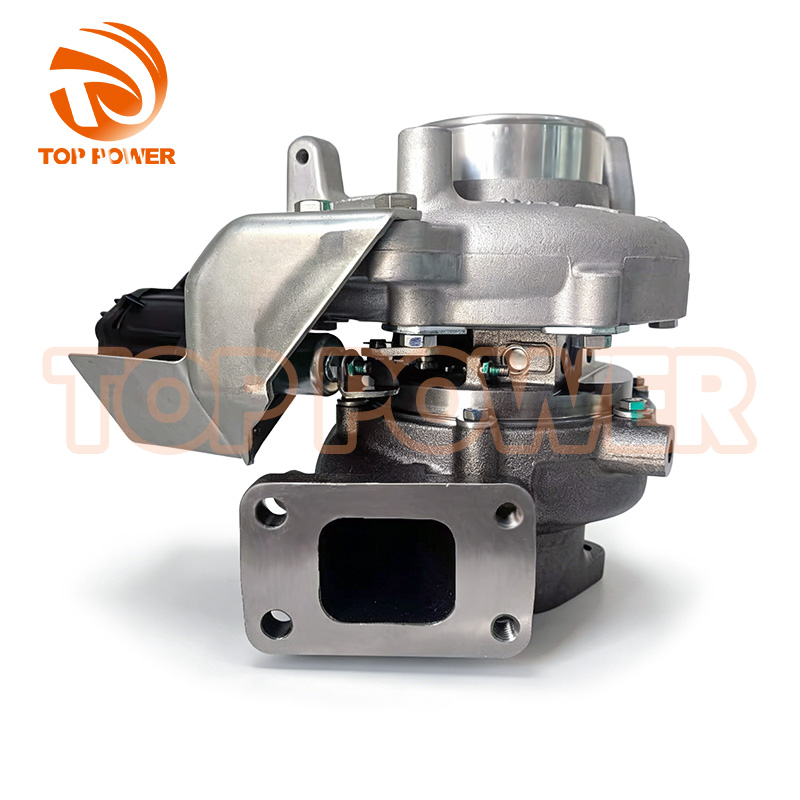
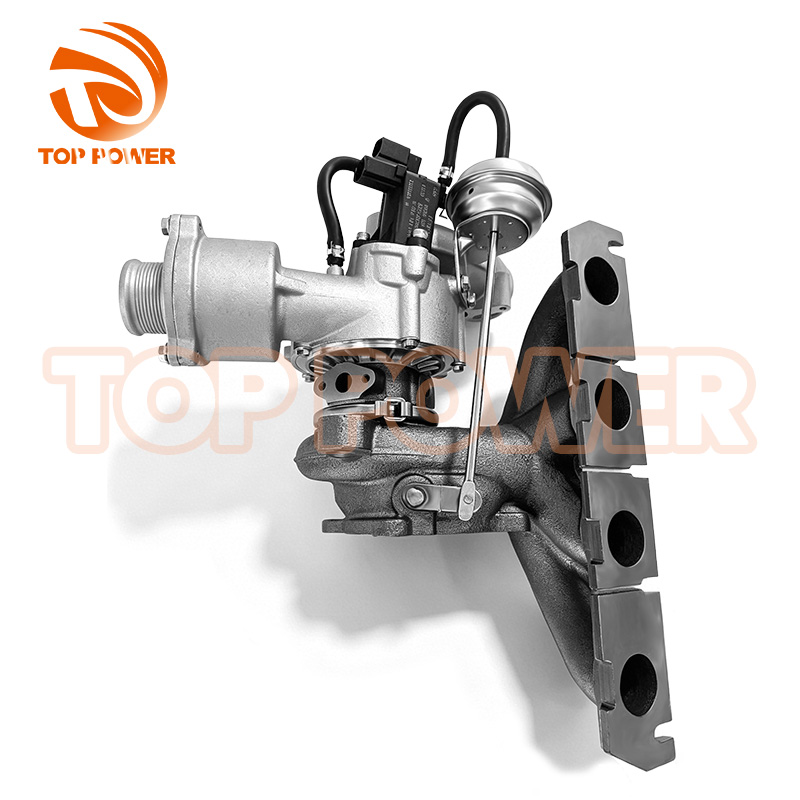
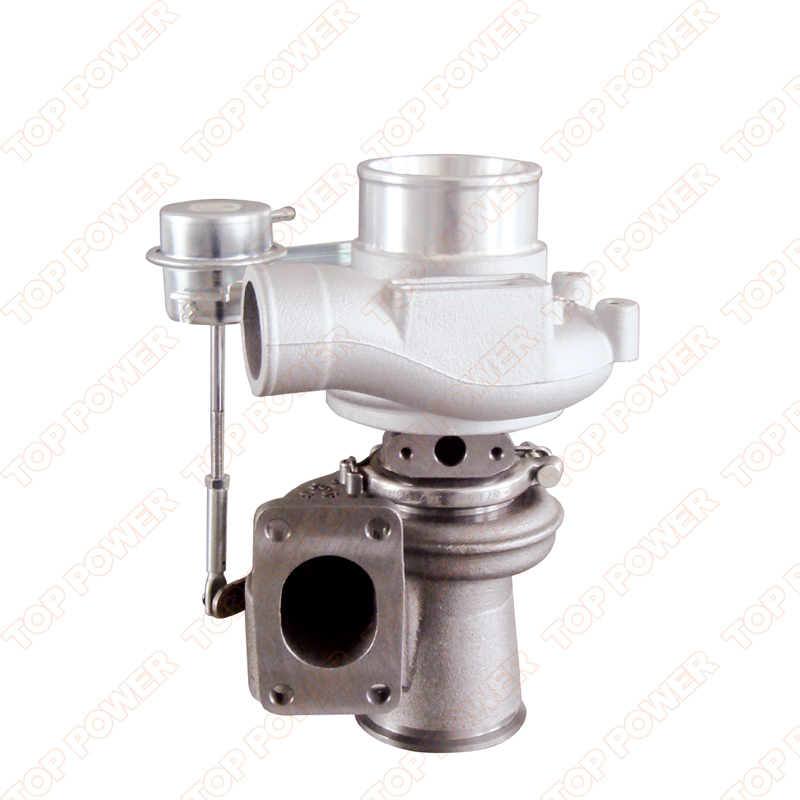
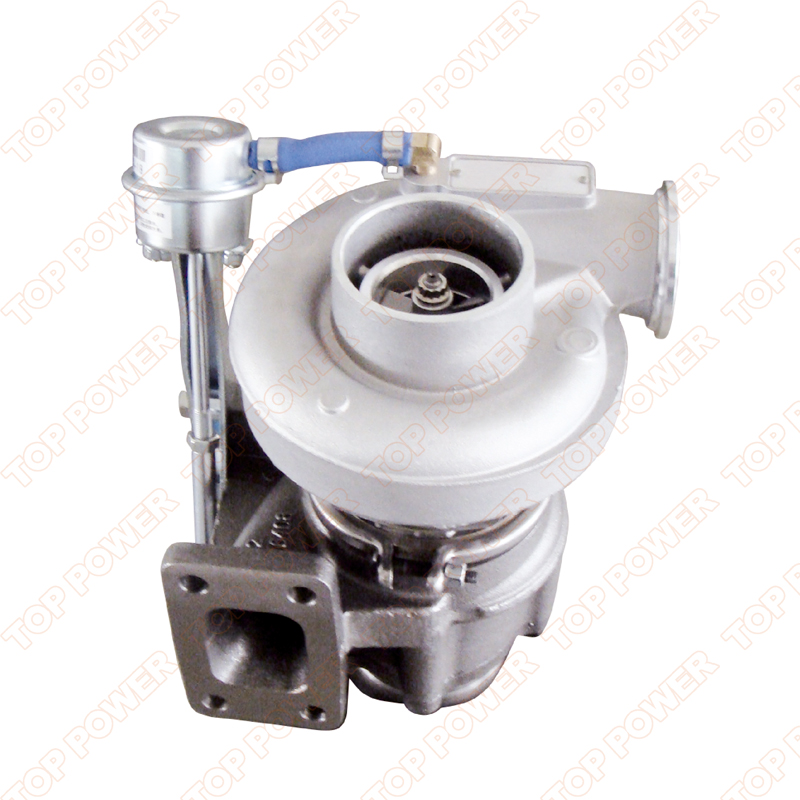
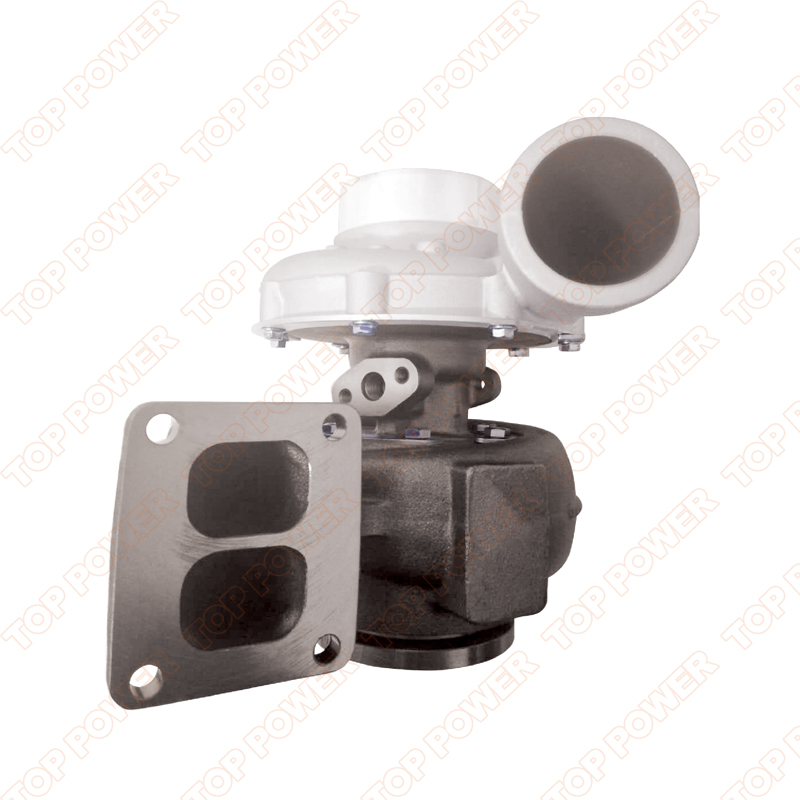
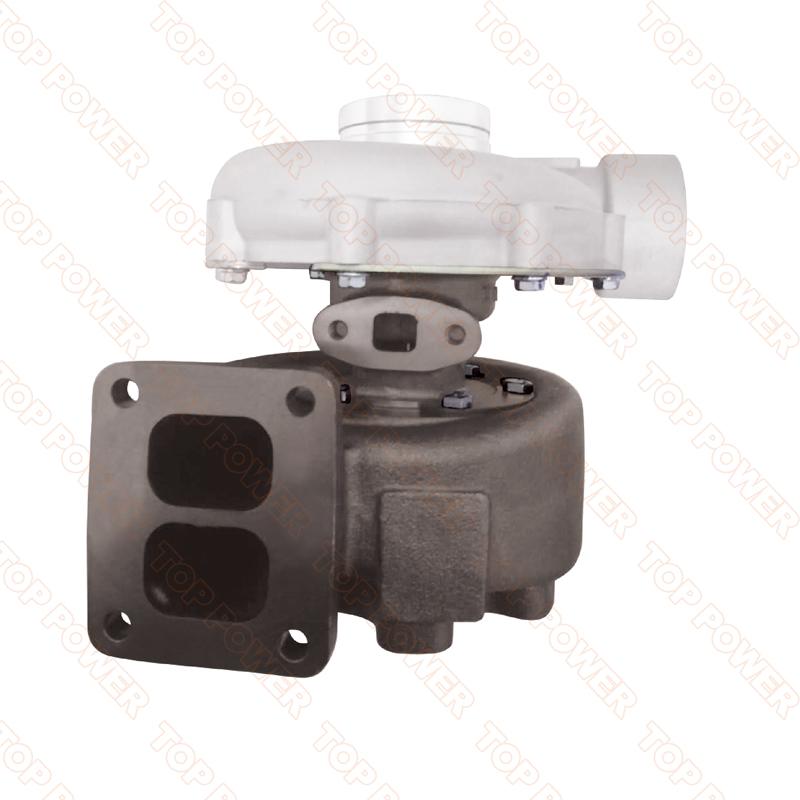
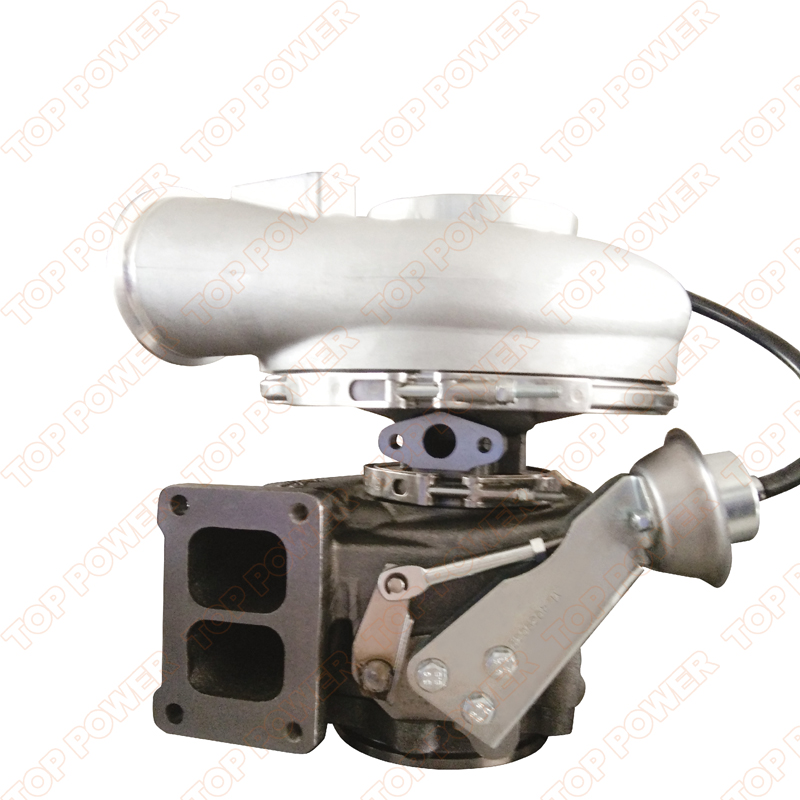
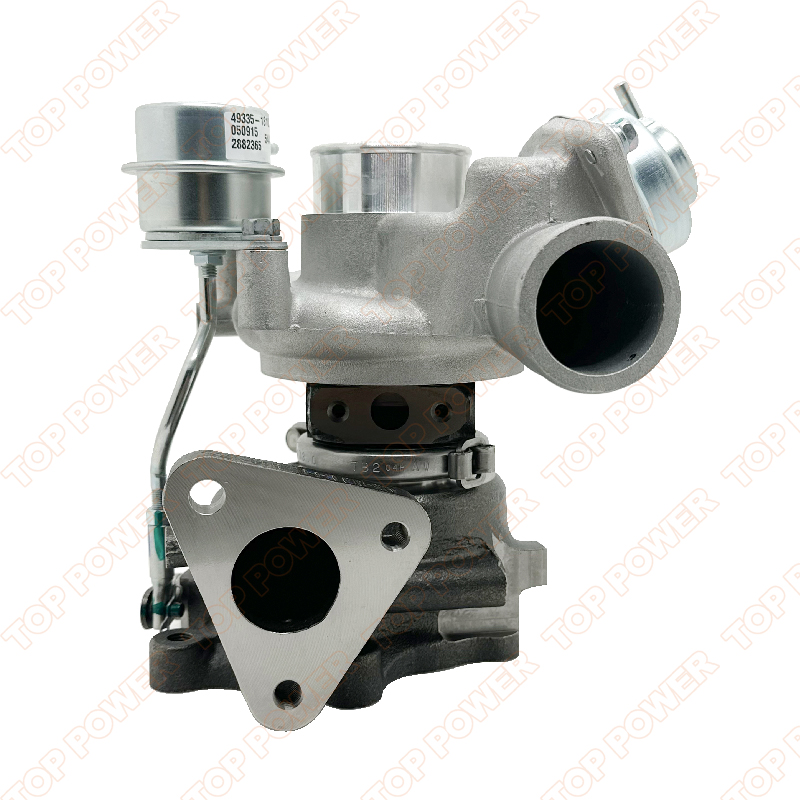

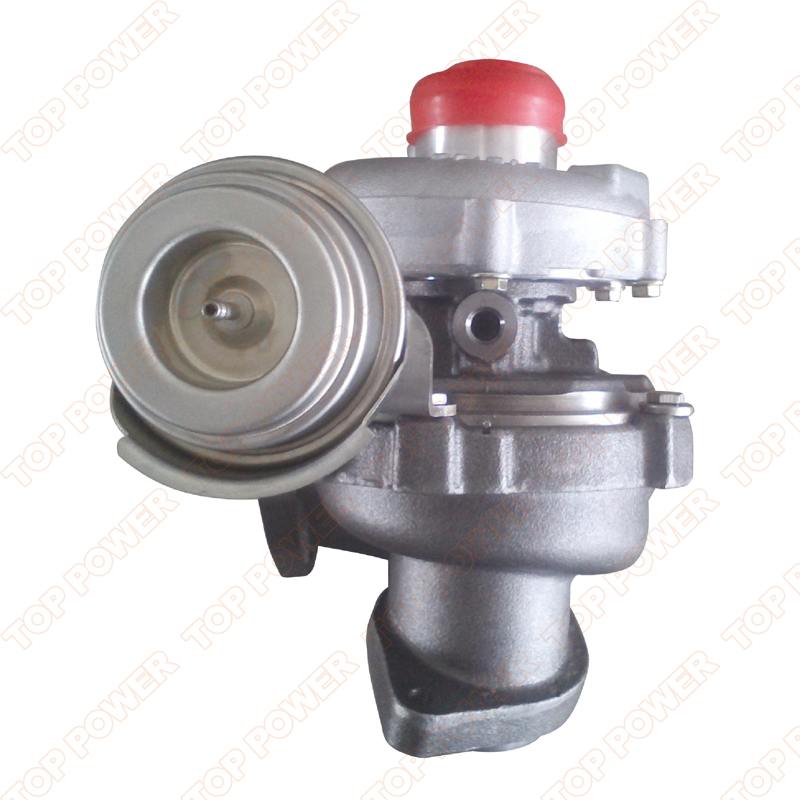

A turbocharger is built for durability, but even a high-quality unit can fail early if it is installed incorrectly. In many cases, the problem is not the turbocharger itself. The real cause is poor installation, missing preparation steps, or failure to inspect the supporting engine systems before startup. For repair shops, distributors, and vehicle owners, understanding these common mistakes can help avoid repeated breakdowns, unnecessary warranty claims, and expensive engine damage.
One of the most common mistakes is failing to clean the oil supply system before installation. A turbocharger depends on clean, stable oil flow for lubrication and cooling. If old sludge, metal particles, or contaminated oil remain in the oil lines, the new turbo can be damaged within a very short time. Many early failures happen because the oil feed pipe or oil return line was not replaced or properly flushed before the new unit was fitted.
Another frequent problem is not priming the turbocharger before first start-up. A turbo should never be run dry. If the bearings are exposed to dry friction during the first few seconds of operation, severe wear can occur immediately. Proper pre-lubrication is a simple step, but it is often ignored during rushed installation. This small mistake can shorten the service life of the turbocharger significantly.
Incorrect oil drainage is also a major cause of failure. A turbocharger needs both proper oil supply and proper oil return. If the return line is blocked, bent, or installed at the wrong angle, oil can build up inside the housing. This may lead to oil leakage, smoke, and seal damage. Many installers focus only on the turbo itself and forget that the oil system must allow free and smooth drainage.
Air intake contamination is another issue that often leads to early failure. If the intake pipes, intercooler, or air filter housing still contain debris, dirt can enter the compressor wheel and damage the internal components. Even small particles can cause imbalance, reduced efficiency, and noise. For this reason, the full intake system should always be checked and cleaned before the new turbocharger is installed.
Wrong gasket use or poor sealing is another installation mistake that should not be overlooked. If the gasket is not the correct type, or if the mounting surfaces are uneven or dirty, exhaust leaks and pressure loss can happen. This affects turbo response and can create overheating issues. In some cases, loose bolts or improper torque settings may also cause vibration, leakage, or housing damage after only a short period of use.
Another common mistake is ignoring the root cause of the original turbo failure. A damaged turbocharger is often only the result of a deeper engine problem, such as oil starvation, excessive crankcase pressure, blocked filters, leaking injectors, or exhaust system restrictions. If the original cause is not fixed, the new turbocharger may fail again very quickly. That is why proper diagnosis is just as important as replacement itself.
Mismatched part numbers can also create installation and performance problems. Even if the turbo looks similar, the wrong model may have different actuator settings, flange positions, or boost characteristics. This can lead to poor performance, incorrect fitment, and reduced engine efficiency. Always confirm the part number, engine code, and application before installation.
At Fengcheng Top Power, we understand that a turbocharger’s real performance depends not only on product quality but also on correct installation. That is why we always recommend checking the oil system, intake system, mounting condition, and part number before fitting a replacement unit. A careful installation process helps protect both the turbocharger and the engine.
For buyers and workshops, avoiding these common mistakes means fewer claims, lower maintenance costs, and better customer satisfaction. In turbocharger replacement, proper installation is not an extra step. It is the foundation of long-term performance.