

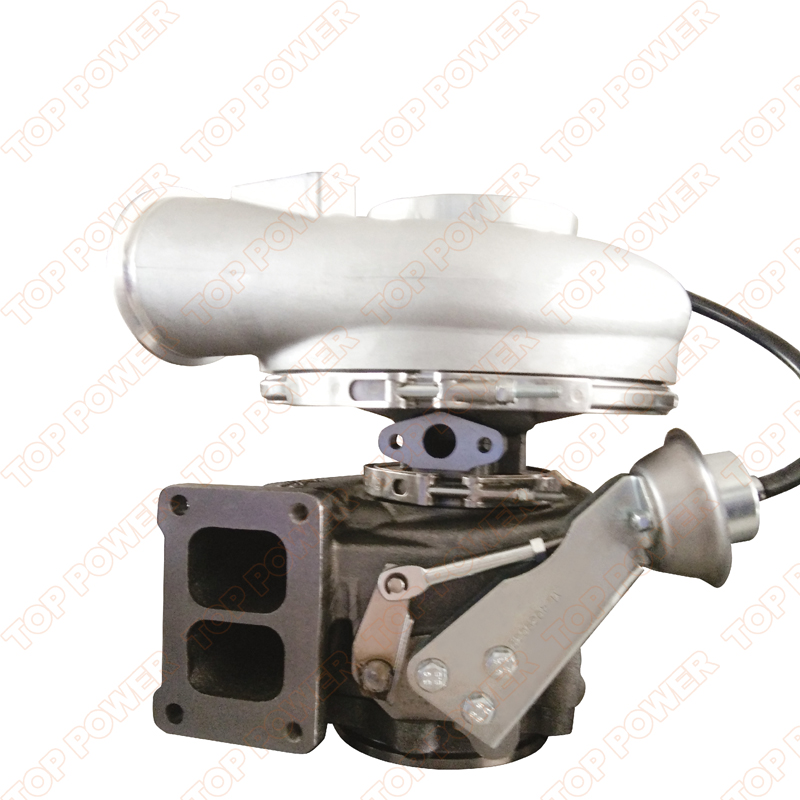
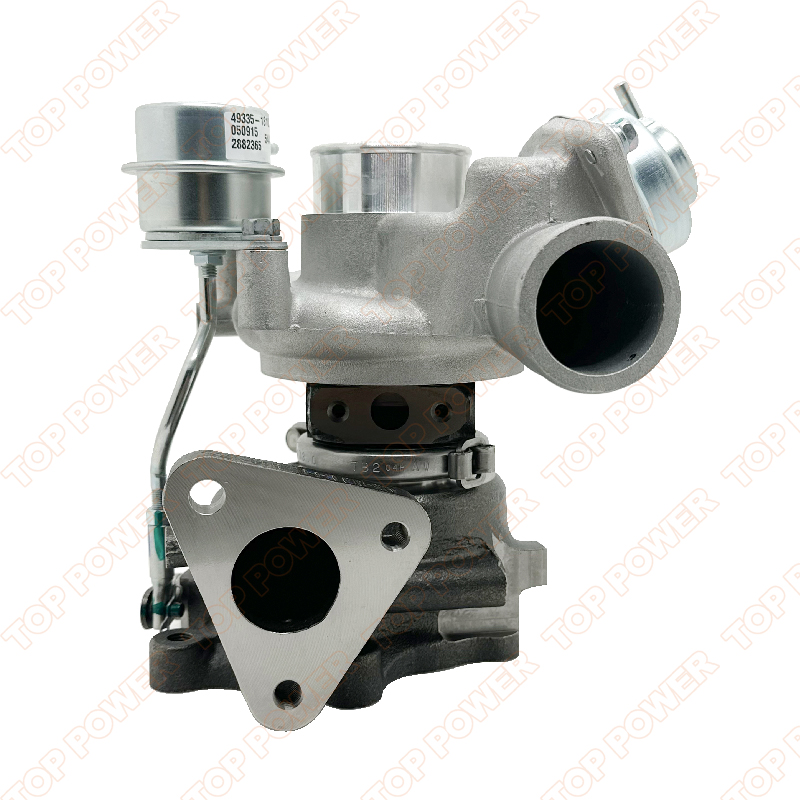

Turbo Upgrade Guide for Diesel Engine Performance Improvement
Diesel engines are widely valued for their strong torque output, durability, and fuel efficiency. But in many working environments, standard factory settings are not always enough to meet rising demands for power, response, and load-bearing performance. This is where a turbo upgrade becomes an effective solution.
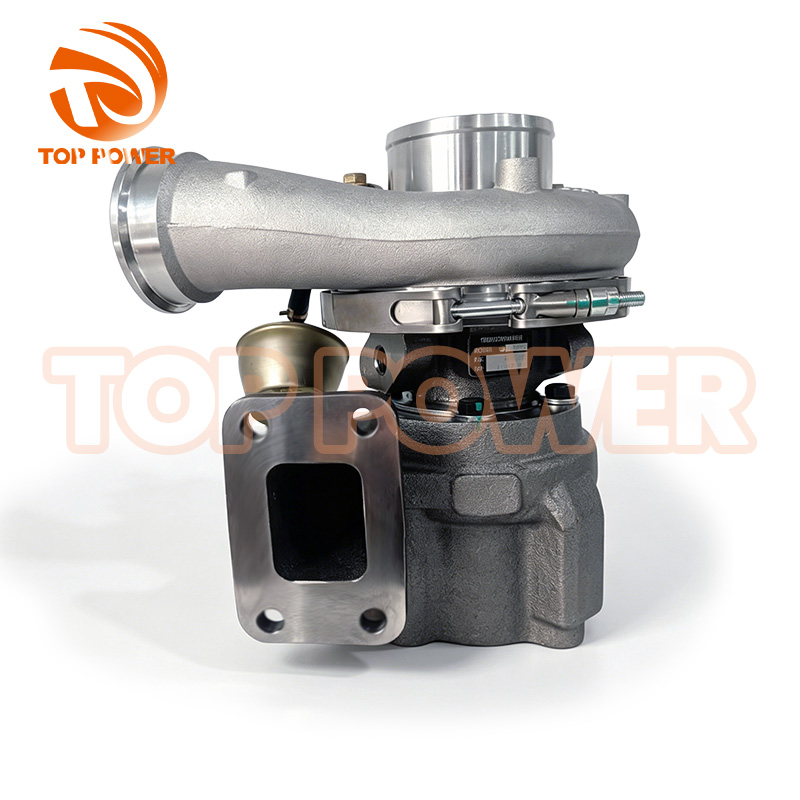
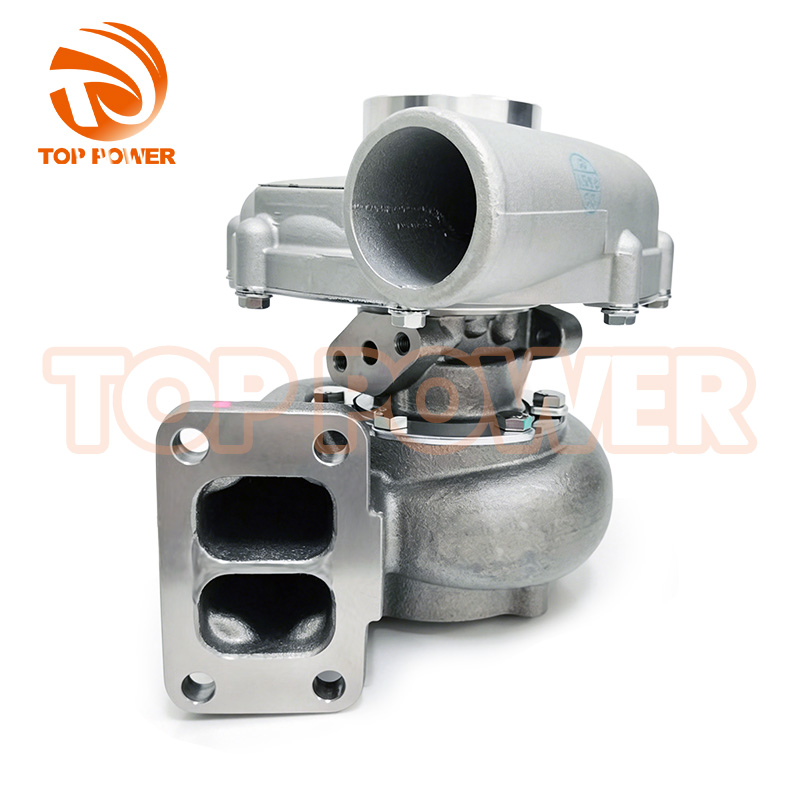
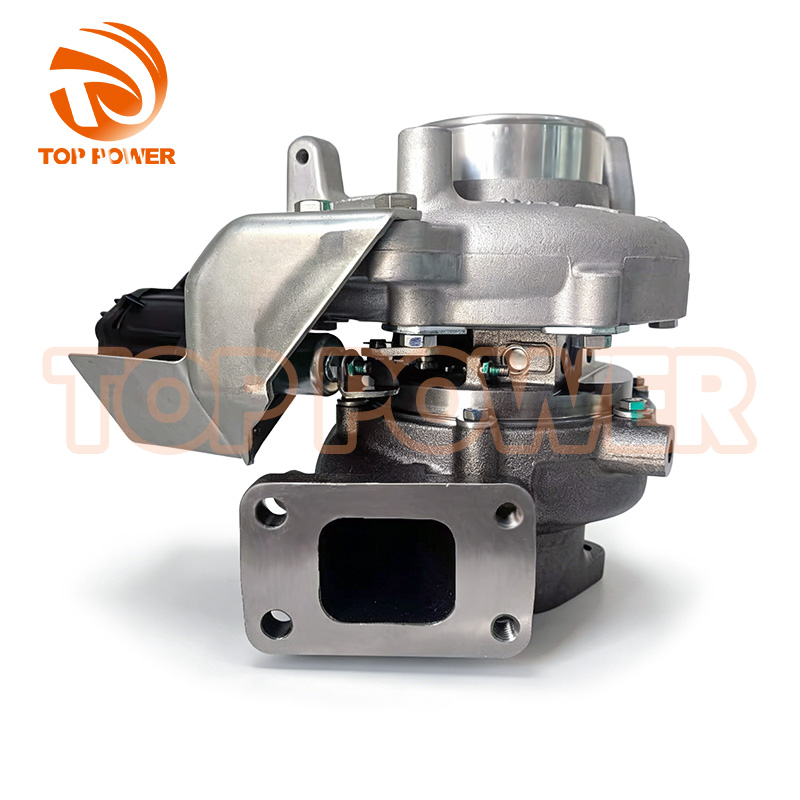
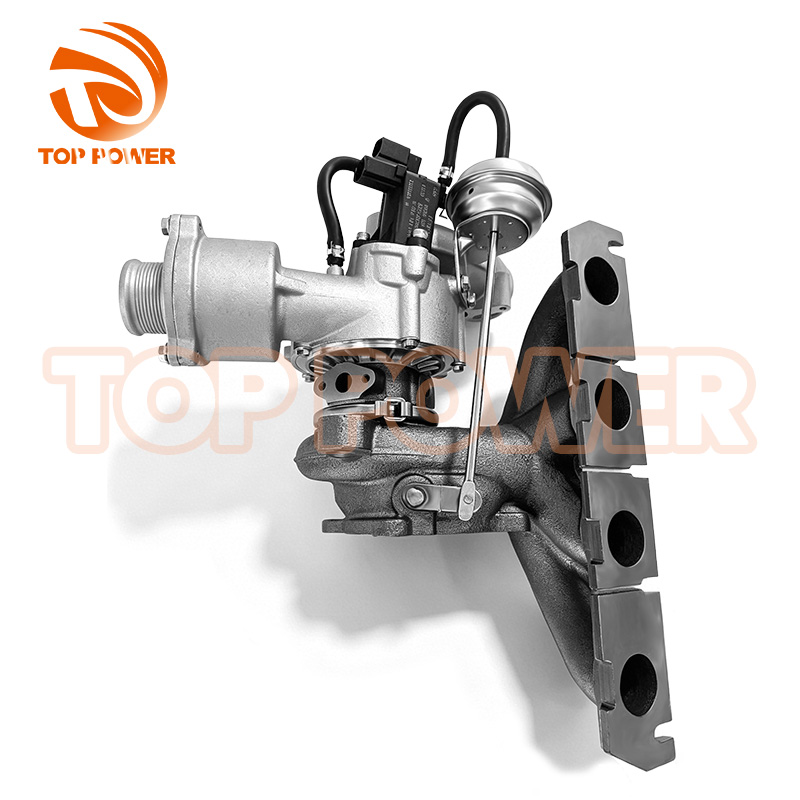
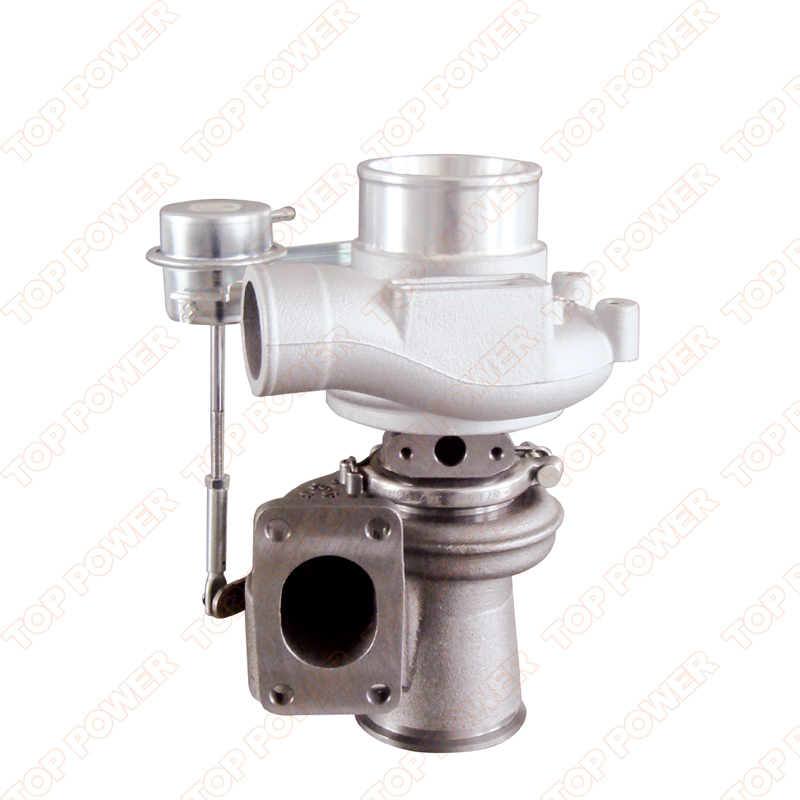
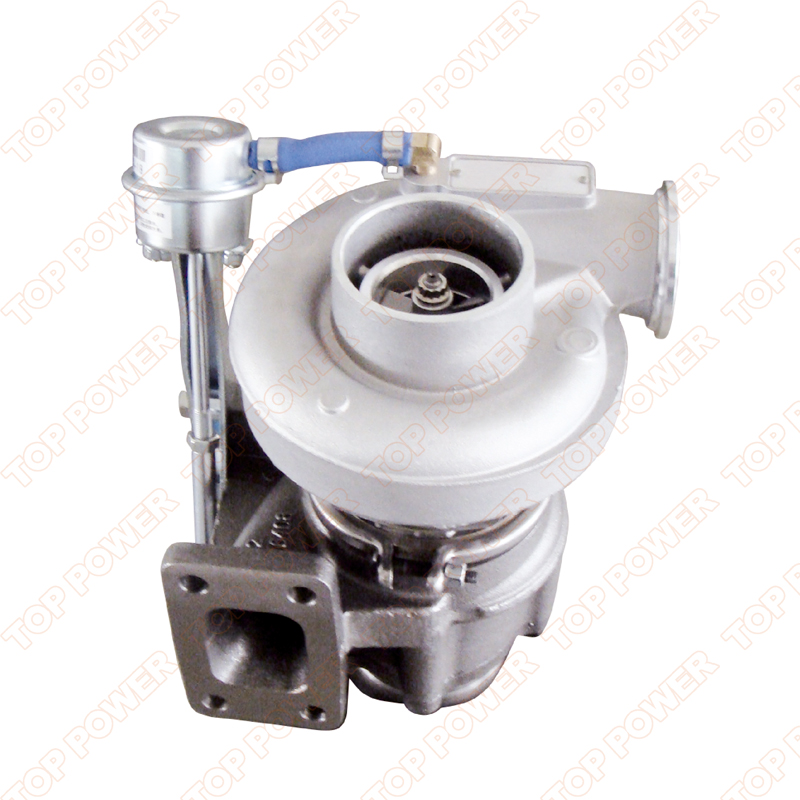
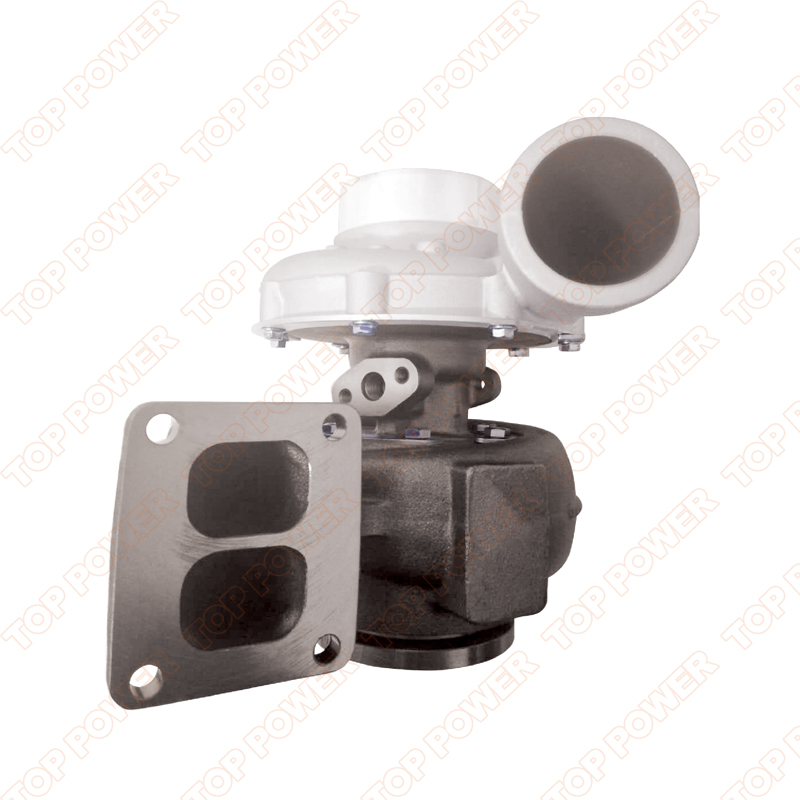
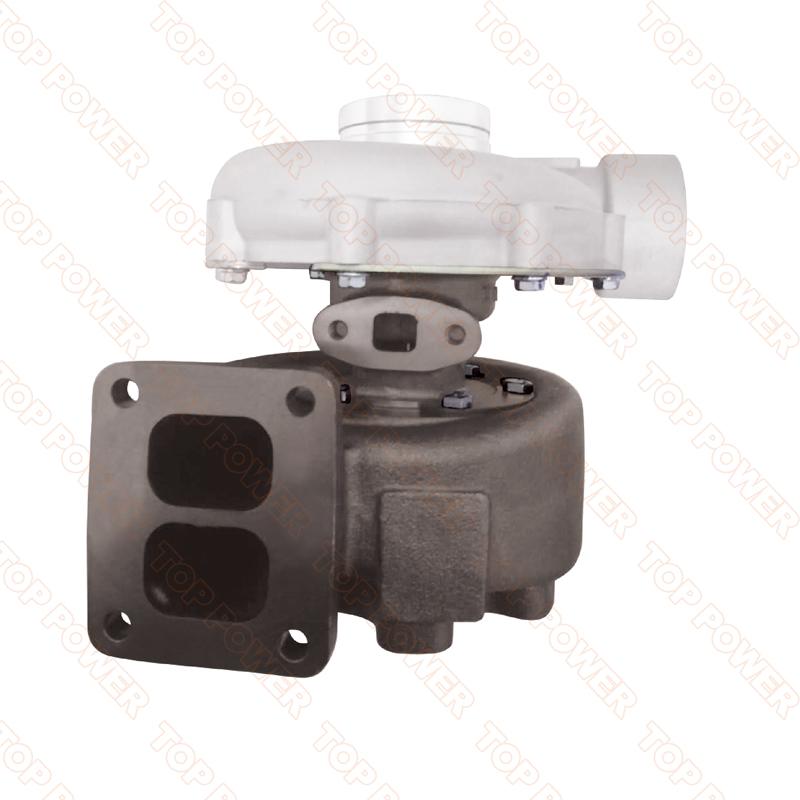
A turbocharger upgrade can significantly improve diesel engine performance by increasing airflow into the combustion chamber. With more air available, the engine can burn fuel more efficiently, produce stronger torque, and deliver better acceleration under load. For many vehicle owners, fleet operators, and equipment users, this means a noticeable improvement in driving experience and operating efficiency.
Why Turbo Upgrades Matter for Diesel Engines
Unlike naturally aspirated engines, diesel engines rely heavily on air intake efficiency. When the turbocharger is optimized or upgraded, the engine is able to generate higher boost pressure and maintain stronger performance across a wider RPM range. This is especially important for vehicles used in towing, off-road driving, commercial transport, agriculture, and construction work.
A properly selected turbo upgrade can help solve several common issues. It may improve weak low-end response, reduce lag, support higher power output, and provide more stable performance during long-distance or heavy-duty operation. In many cases, it also helps the engine run more efficiently under demanding conditions, which can contribute to better fuel utilization.
Choosing the Right Turbo Upgrade
Not every turbocharger upgrade is suitable for every diesel engine. The correct choice depends on the engine code, vehicle model, intended use, and performance target. Some buyers are looking for a direct replacement with improved reliability, while others want a performance-oriented turbo capable of delivering more boost and stronger acceleration.
Before selecting an upgrade, it is important to confirm the following details:
the engine model and displacement,
the original turbo part number,
the vehicle application,
the desired power increase,
and whether the engine will remain stock or receive other supporting modifications.
This information helps ensure compatibility and reduces the risk of fitting problems, imbalance, or performance mismatch.
Key Factors That Affect Turbo Performance
A turbocharger is not a standalone component. Its performance depends on the entire engine system. Air intake, exhaust flow, fueling, intercooling, and ECU calibration all play an important role.
If the turbo is upgraded without considering supporting parts, the engine may not achieve the expected result. In some cases, excessive boost without proper tuning can lead to overheating, excessive smoke, poor drivability, or component wear. For that reason, a turbo upgrade should always be selected with the full engine system in mind.
Intercooler efficiency, fuel supply consistency, and exhaust back pressure are especially important. When these elements are properly matched, the upgraded turbo can deliver smoother spool, stronger power delivery, and more stable long-term performance.
Reliability Is Just as Important as Power
Many buyers focus only on horsepower or boost pressure, but reliability should always come first. A high-quality turbo upgrade must be able to handle heat, pressure, and continuous operation without premature wear.
Precision balancing, durable materials, and strict manufacturing control are essential. The rotating assembly must run smoothly at very high speed, and the housing must withstand repeated thermal stress. For diesel applications, especially in commercial and heavy-duty use, durability often matters more than peak power alone.
This is why professional buyers usually look for suppliers who can provide stable quality, clear specifications, and proven matching information. A turbocharger that performs well for a short time but fails early will cost more in the long run than a properly engineered replacement or upgrade.
When a Turbo Upgrade Makes the Most Sense
Turbo upgrades are especially useful in these situations: when a vehicle is used for towing or hauling, when the original turbo has reached the end of its service life, when stronger mid-range torque is needed, or when a diesel engine needs better response for demanding work conditions.
They are also common in markets where vehicle owners want a better balance between power and efficiency without replacing the entire engine. In these cases, a well-chosen turbo upgrade can provide an excellent improvement in overall performance.
Final Thoughts
A turbo upgrade can be one of the most effective ways to improve diesel engine performance, but the best results come from correct matching, quality manufacturing, and proper system support. When selected carefully, it can bring stronger power, quicker response, and better working efficiency to diesel-powered vehicles and equipment.
For buyers, distributors, and repair professionals, understanding turbo upgrade principles is the first step toward choosing the right solution. A reliable turbocharger does more than increase boost pressure — it helps the entire engine work smarter, stronger, and more efficiently.