


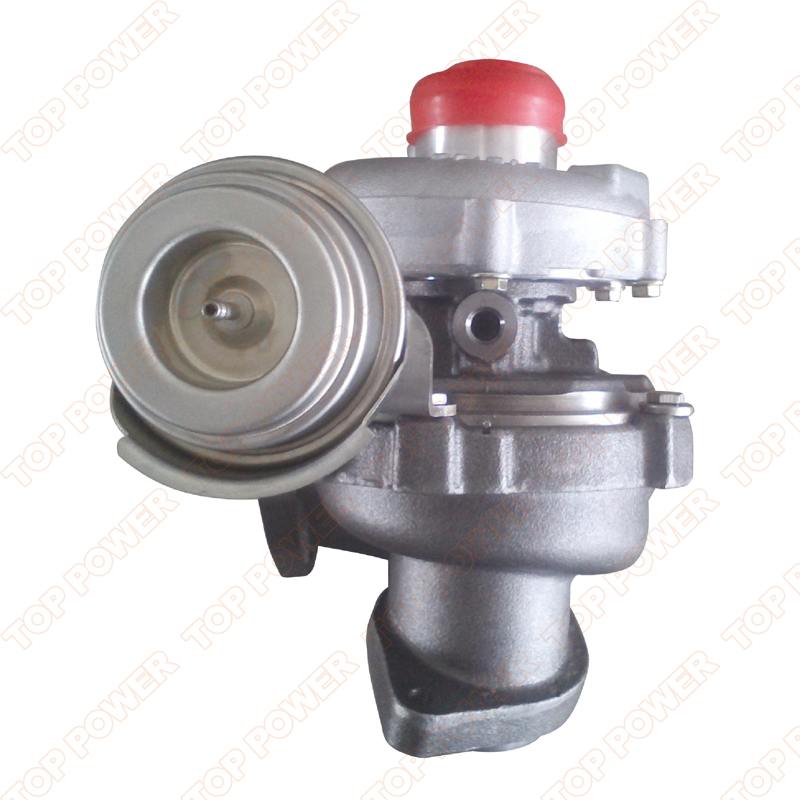

Turbocharger Installation Guide: Practical Tips for a Reliable Setup
Installing a turbocharger is not just a simple replacement job. A correct installation has a direct impact on turbo life, engine performance, and overall reliability. In many cases, turbo failure is caused not by the turbo itself, but by poor installation, contaminated oil supply, or an unresolved engine issue.
Before Installation
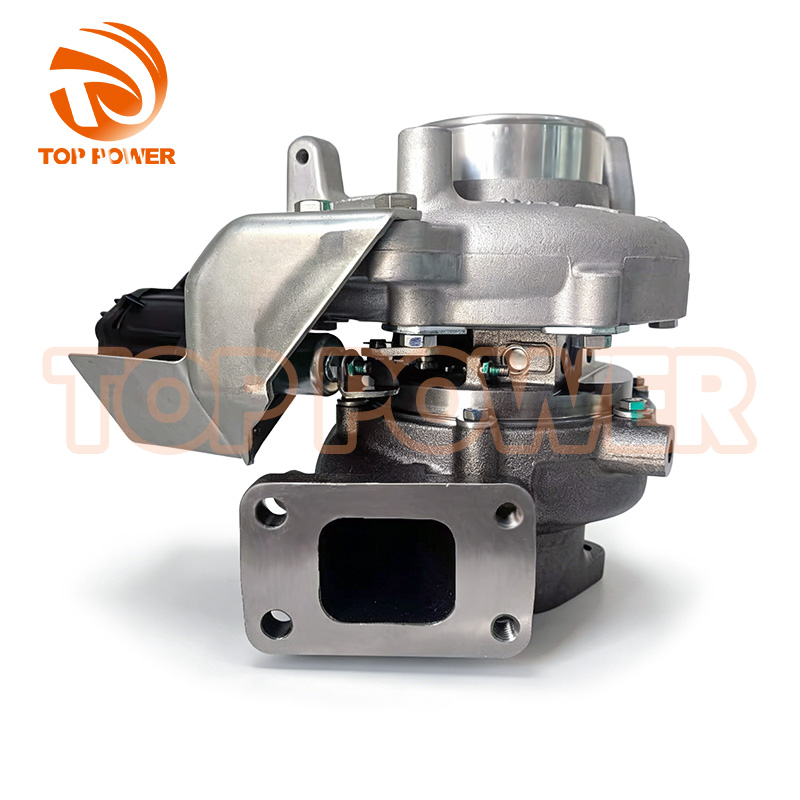
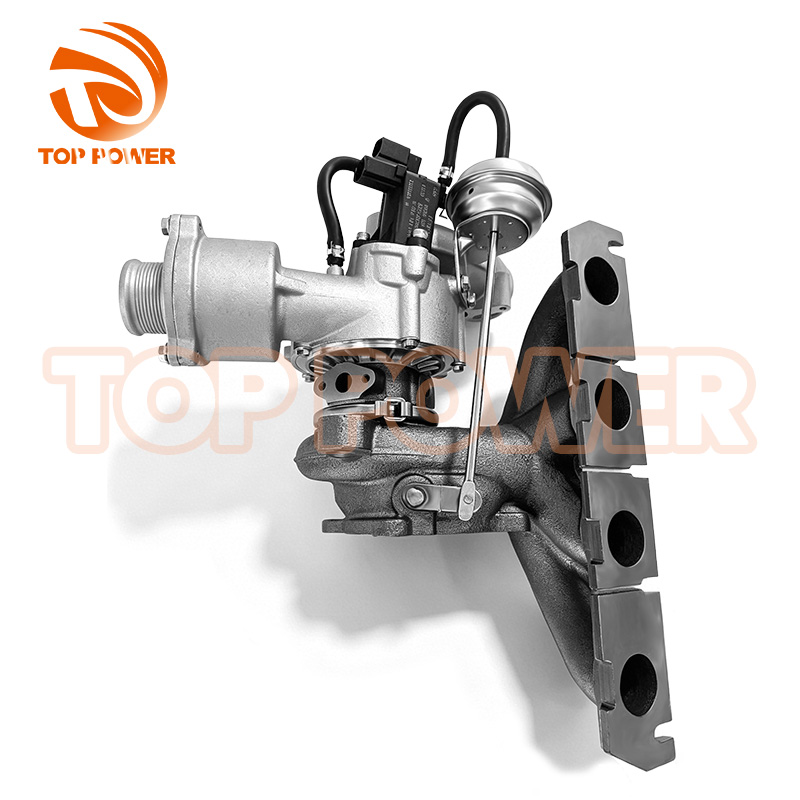
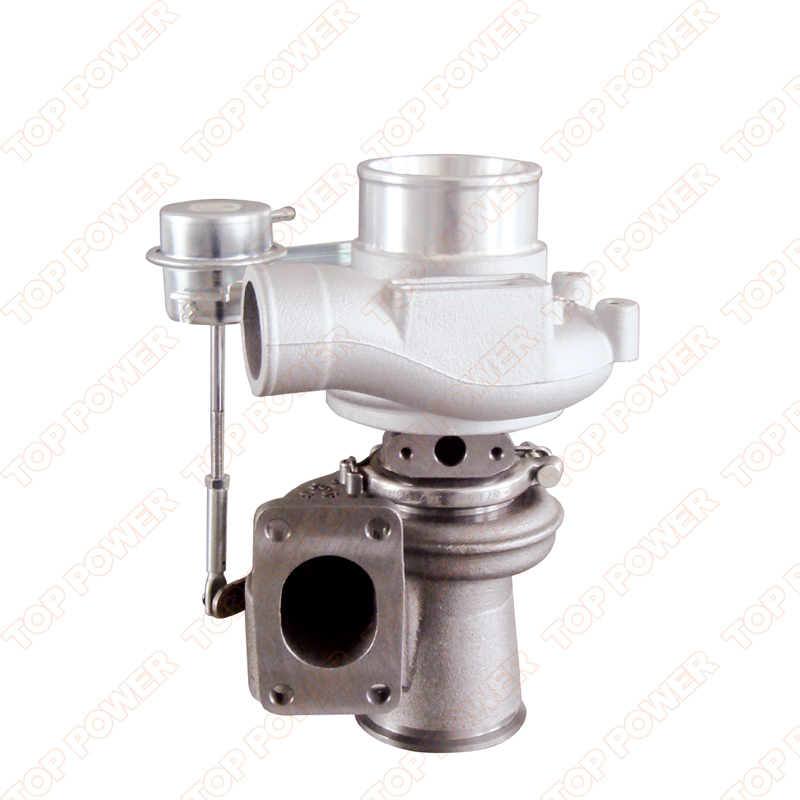
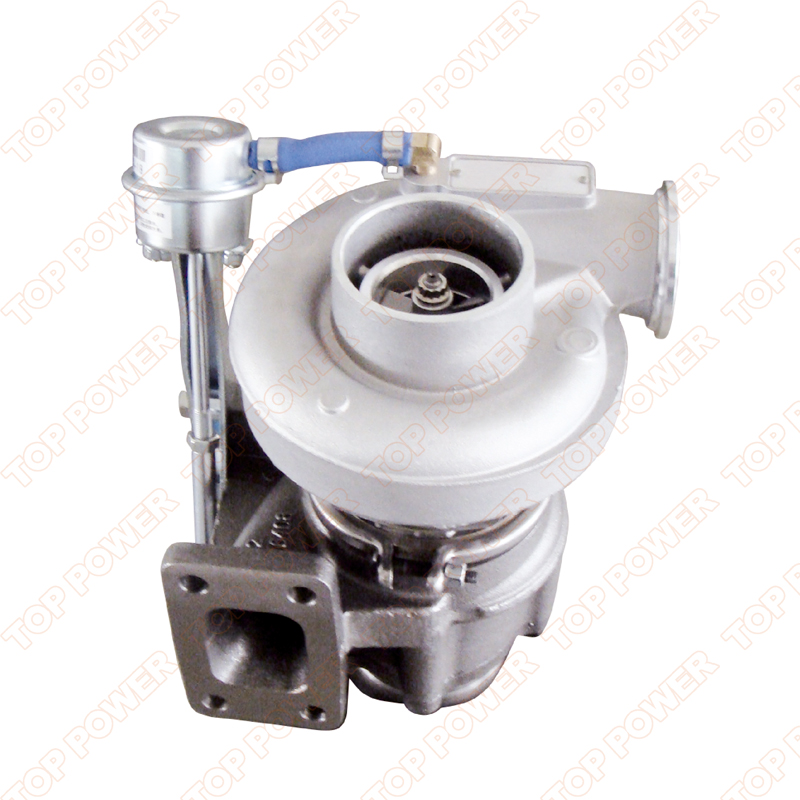
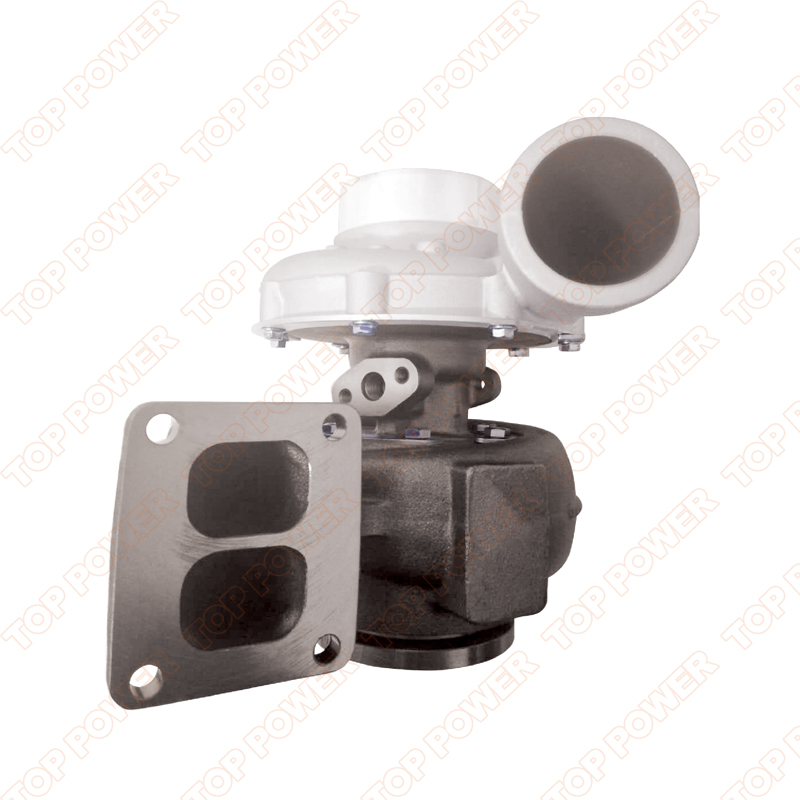
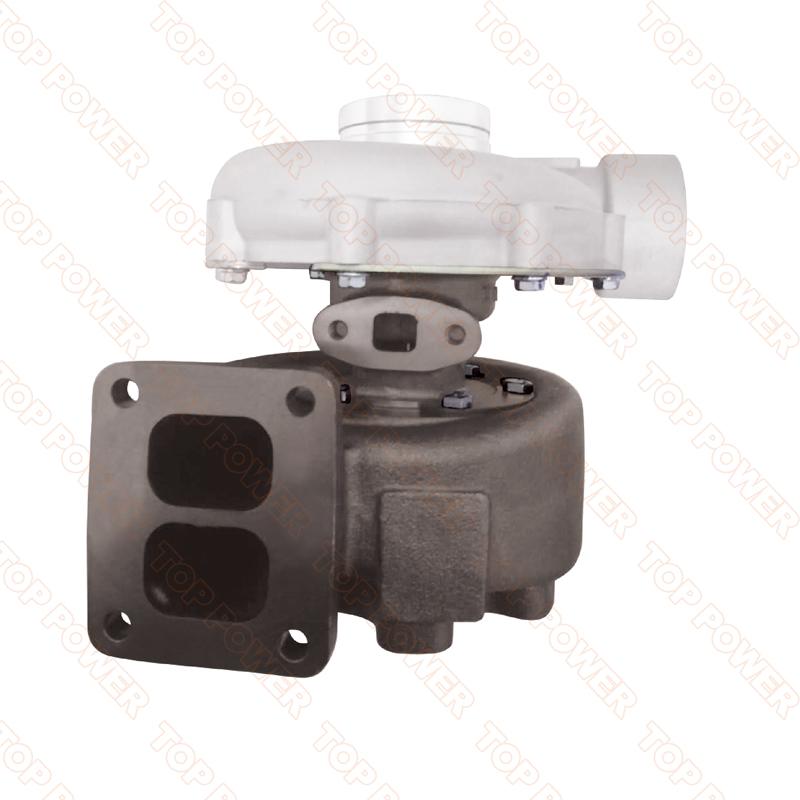
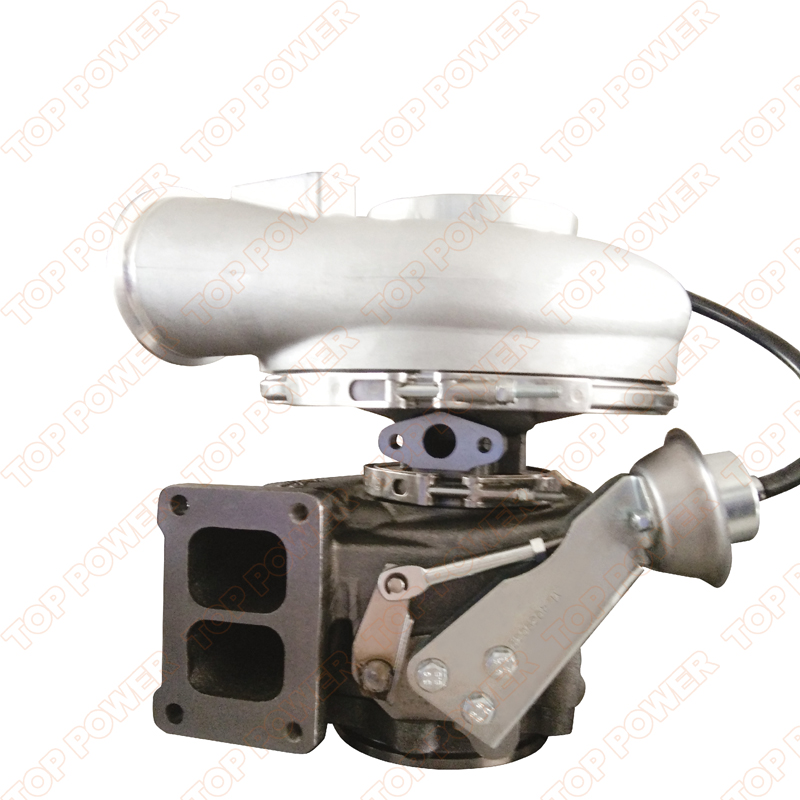
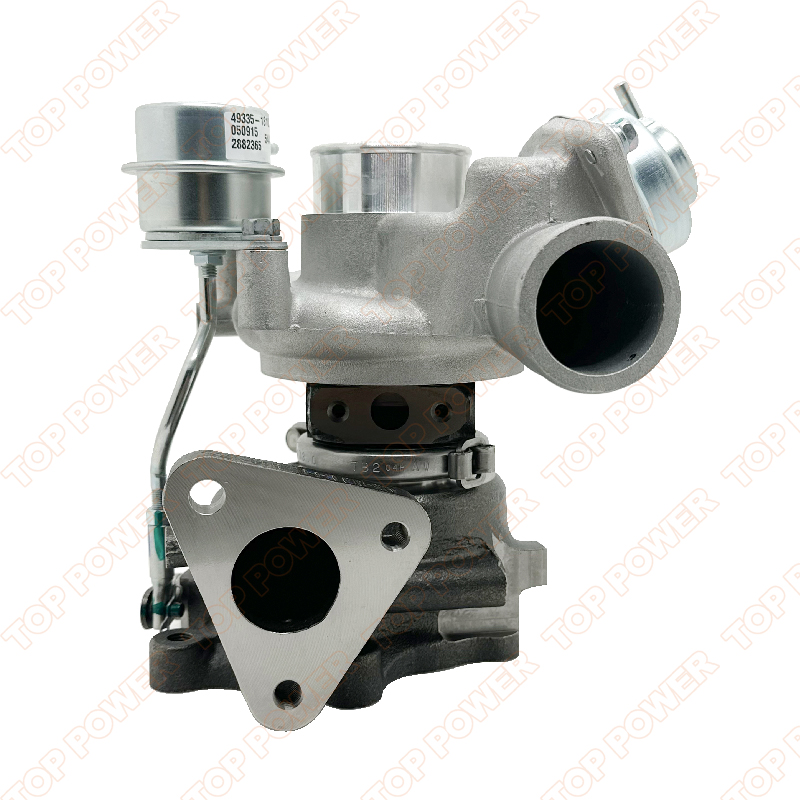
Before fitting the turbocharger, always check the part number, flange type, oil inlet and outlet position, and actuator configuration to make sure they match the engine application. The compressor wheel and turbine wheel should rotate freely by hand, without rubbing or abnormal resistance.
It is also important to inspect the packaging and oil passages carefully. Any dust, metal chips, or sealing material left inside the turbo can cause damage as soon as the engine starts.
Prepare the Engine System
A turbocharger should never be installed on a dirty system. The intake pipes, exhaust manifold, oil feed line, and oil return line should all be checked and cleaned before installation. If the old turbo failed because of oil starvation, carbon buildup, or foreign object damage, the root cause must be fixed first.
Engine oil condition is equally important. Dirty oil, low oil pressure, or blocked oil passages can quickly destroy a new turbocharger. For water-cooled turbos, coolant hoses and connections should also be checked to avoid leakage or poor circulation.
Install with Care
During installation, use the correct gaskets, sealing rings, and bolts. Tighten all fasteners evenly and make sure the turbo is seated correctly. Do not force the unit into position, and do not bend or twist the oil lines.
If the turbo uses a wastegate actuator or electronic actuator, make sure the linkage, vacuum line, or electrical connector is installed properly. Incorrect actuator installation can lead to boost control problems, warning lights, or poor engine performance.
Prime the Turbo Before First Start
This is one of the most important steps. Before starting the engine, the turbo should be primed with clean engine oil if possible. This helps protect the bearings during the first seconds of operation.
After installation, the engine should be cranked or started according to the correct procedure so oil pressure can build up before the turbo begins working under load.
First Start and Inspection
Start the engine and let it idle first. Do not rev the engine immediately. Check carefully for oil leaks, coolant leaks, exhaust leaks, strange noise, smoke, or dashboard warning lights.
The turbocharger should be tested under light load first. If everything is normal, the vehicle can then return to regular use.
Break-In and Daily Use
A newly installed turbocharger needs proper break-in. For the first period after installation, avoid hard acceleration and high boost right away. Regular oil changes, clean air filtration, and proper warm-up and cool-down habits will help extend turbo life.
After heavy driving, let the engine idle for a short time before shutting it off. This helps reduce heat buildup and protects the turbo from oil coking.
Common Installation Mistakes
Some of the most common mistakes include:
using a dirty oil feed line
leaving debris in the intake or exhaust system
ignoring low oil pressure
installing the wrong gasket
skipping turbo priming
failing to check actuator operation
These small mistakes can create big problems later, so every step matters.
Final Thoughts
A turbocharger installation should always be treated as a full system job, not just a part swap. Clean oil supply, correct fitment, proper priming, and careful first-start procedure are the keys to a long-lasting and stable turbo system.