

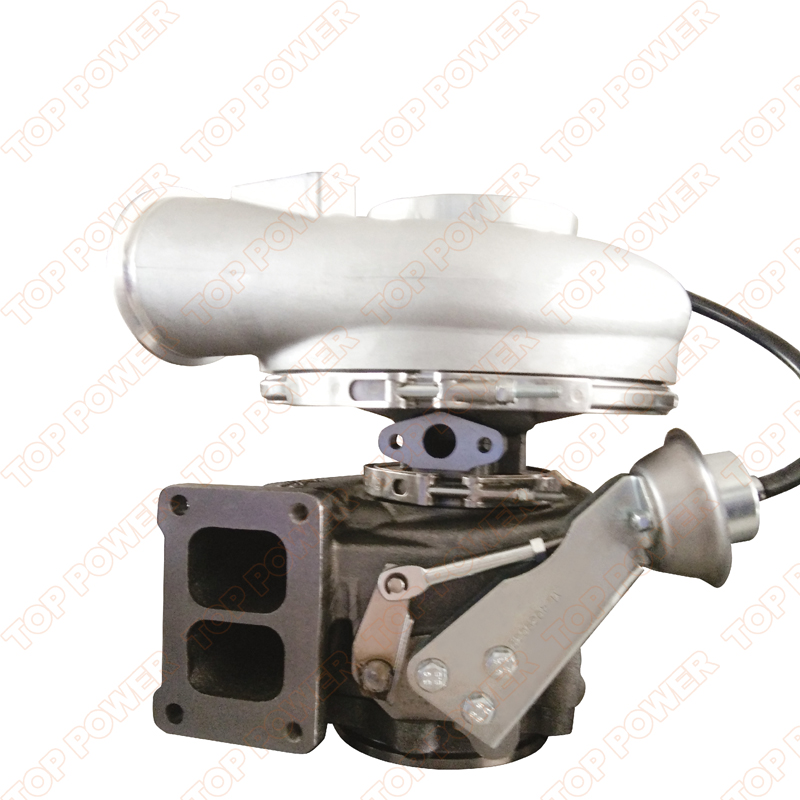
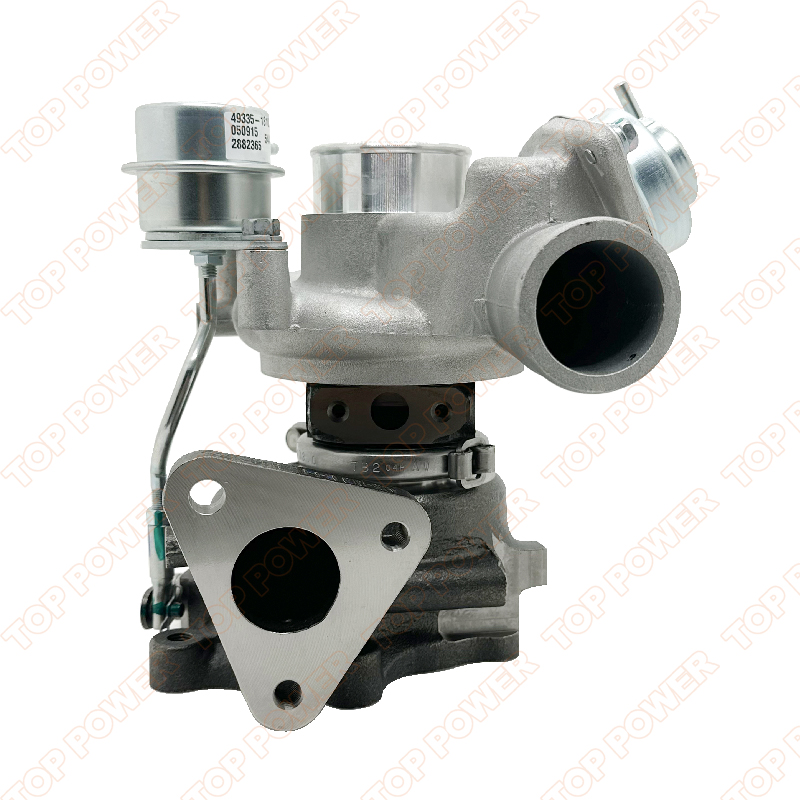

Signs of Turbocharger Bearing Failure You Should Not Ignore
Turbocharger bearing failure rarely happens without warning. In most cases, the turbo gives several clear signs before it completely breaks down. The problem is that these signs are often ignored until the damage becomes serious. Once the bearings start wearing out, the turbo shaft no longer spins as smoothly as it should, and the whole system begins to suffer.
Unusual noise
One of the first warning signs is noise. A healthy turbo usually makes a smooth whistling sound under boost. When the bearings start failing, that sound can change into a louder whine, grinding noise, or even a high-pitched siren-like noise. This happens because the shaft is no longer centered properly and internal parts may begin to rub.
Excessive shaft play
Bearing wear often causes too much movement in the turbo shaft. Small radial movement can be normal in some turbos, but if the shaft has noticeable side-to-side or in-and-out play, that is a problem. Once the clearance becomes too large, the compressor wheel or turbine wheel can touch the housing and cause serious damage.
Oil leakage
Worn bearings can also lead to oil leakage. When the shaft loses stability, the seals can no longer work properly. This may cause oil to enter the intake system or exhaust system, resulting in oil residue, blue smoke, or higher oil consumption. In many real cases, what looks like a seal issue actually starts with bearing wear.
Loss of boost and performance
A failing bearing can reduce turbo efficiency. The shaft may spin with more friction, the wheels may no longer run true, and boost response becomes weak or unstable. The vehicle may feel slower, less responsive, or have trouble reaching normal boost levels.
Blue smoke from the exhaust
Blue smoke is another common sign. When the bearings are damaged, oil can pass into the hot side or cold side of the turbo and burn in the engine. This smoke should not be ignored, especially if it appears together with noise or oil loss.
Metal damage inside the turbo
If the turbo is removed and inspected, bearing failure may show visible scoring, discoloration, or heat damage. In severe cases, the shaft or wheels may already be damaged. At that stage, a simple repair is often not enough, because the root cause may have affected several internal parts.
What causes bearing failure
Bearing failure is usually linked to oil problems. Dirty oil, low oil pressure, blocked oil feed lines, poor oil return flow, overheating, and shutdown after heavy driving can all shorten bearing life. A turbocharger depends heavily on clean oil and stable lubrication, so even a small oil system problem can create serious wear over time.
Final takeaway
Turbocharger bearing failure is not something that happens overnight. Noise, shaft play, smoke, oil leakage, and reduced performance are all early signs that should be checked quickly. Catching the problem early can save the turbo, protect the engine, and avoid a much more expensive repair later.