

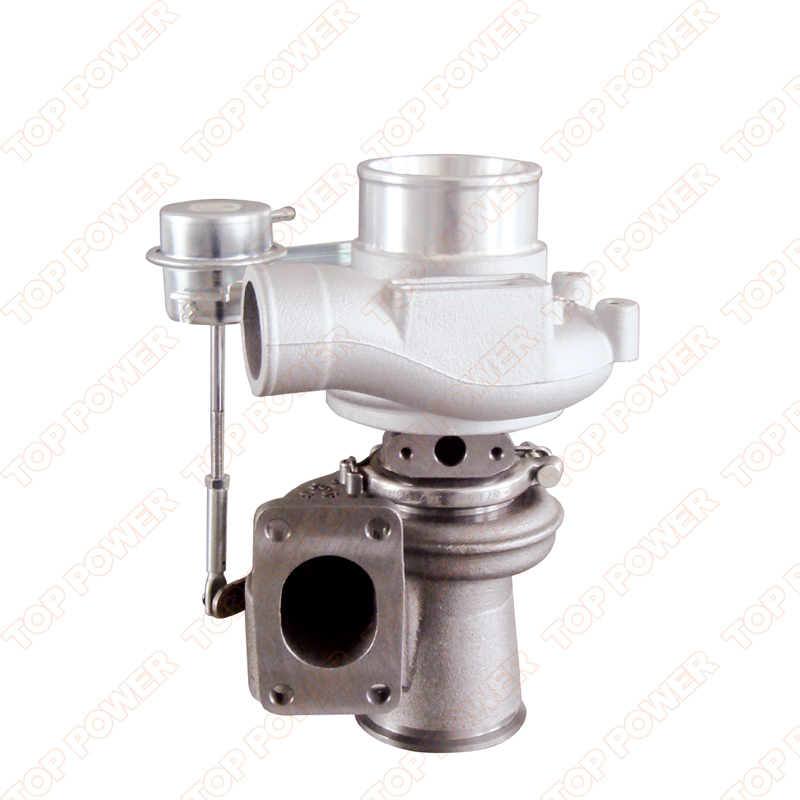
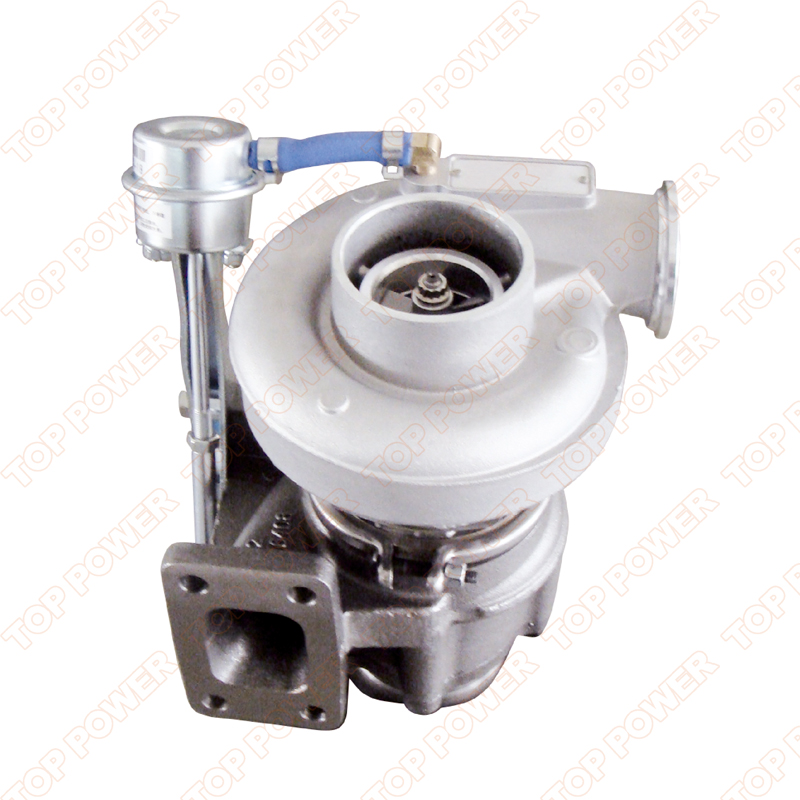
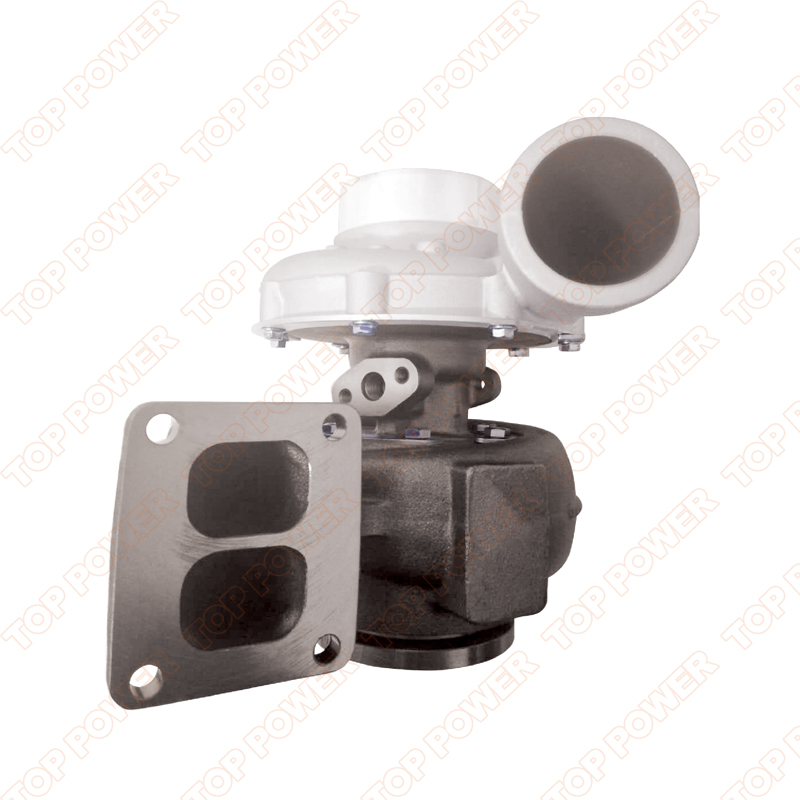
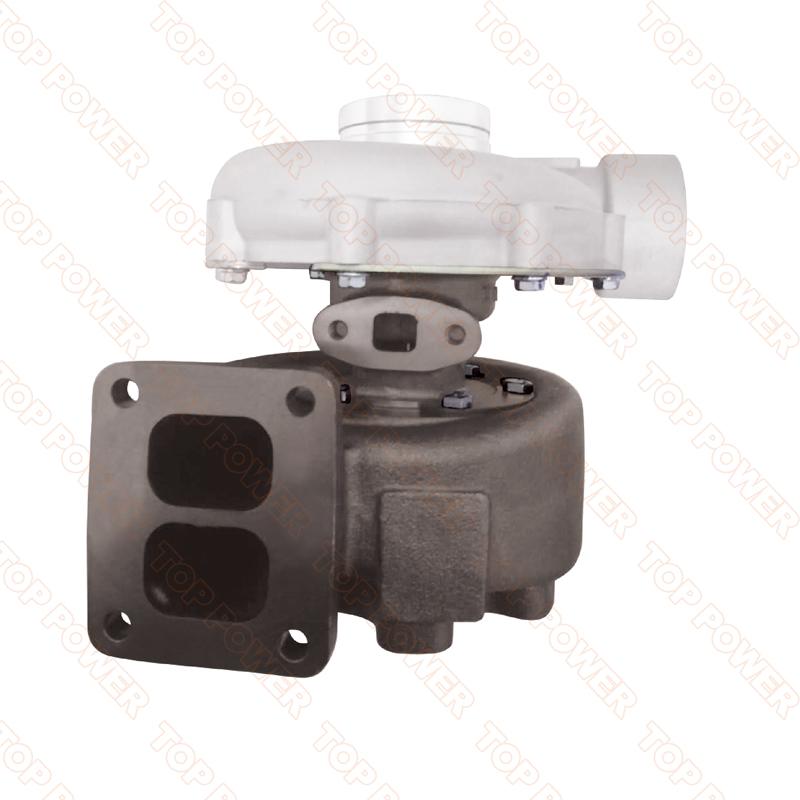

Variable Geometry Turbocharger (VGT) vs Fixed Geometry Turbocharger: Which One Is Right for Your Engine?
Turbocharger technology has evolved significantly over the past two decades, with Variable Geometry Turbochargers (VGT) becoming increasingly common in modern diesel engines. While traditional Fixed Geometry Turbochargers (FGT) remain widely used in commercial vehicles and industrial applications, many buyers wonder which design offers better performance, efficiency, and reliability.
Understanding the differences between VGT and Fixed Geometry Turbochargers can help buyers choose the right solution for their engines while reducing maintenance costs and improving overall vehicle performance.
What Is a Variable Geometry Turbocharger (VGT)?
A Variable Geometry Turbocharger uses adjustable guide vanes inside the turbine housing.
These vanes change their angle according to engine speed and load conditions, allowing the turbocharger to optimize exhaust gas flow across a wider operating range.
At low engine speeds, the vanes close to increase exhaust gas velocity and improve boost response.
At high engine speeds, the vanes open to prevent excessive backpressure and maintain efficient airflow.
This design helps eliminate one of the biggest disadvantages of traditional turbochargers: turbo lag.
What Is a Fixed Geometry Turbocharger (FGT)?
A Fixed Geometry Turbocharger uses a turbine housing with a fixed passage size.
Because the geometry cannot change during operation, the turbocharger is optimized for a specific engine speed range.
Fixed Geometry Turbos are mechanically simpler and typically more durable because they contain fewer moving parts.
They remain the preferred choice for many heavy-duty applications where reliability and ease of maintenance are priorities.
Advantages of Variable Geometry Turbochargers
Faster Low-Speed Response
The adjustable vanes allow the turbocharger to generate boost pressure earlier in the RPM range.
This improves:
Acceleration
Drivability
Engine responsiveness
Better Fuel Economy
Because airflow is optimized across different operating conditions, VGT systems often improve combustion efficiency and reduce fuel consumption.
For fleet operators, even a small improvement in fuel economy can create significant long-term savings.
Reduced Emissions
Modern diesel engines use VGT technology to help meet increasingly strict emission regulations.
Improved airflow management supports:
Cleaner combustion
Reduced NOx emissions
Better EGR system performance
Advantages of Fixed Geometry Turbochargers
Simpler Design
Fixed Geometry Turbos contain fewer moving components.
This reduces:
Failure points
Maintenance requirements
Repair costs
Higher Durability
For heavy-duty trucks, construction equipment, mining machinery, and agricultural applications, durability is often more important than maximum efficiency.
Fixed Geometry Turbos perform extremely well in harsh environments with high temperatures and heavy workloads.
Lower Purchase Cost
FGT systems are generally more affordable to manufacture and replace.
For buyers focused on cost control, this can be a major advantage.
Common VGT Turbocharger Problems
While VGT technology offers excellent performance, it also introduces additional maintenance considerations.
Common VGT failures include:
Sticking Vanes
Carbon buildup can prevent the guide vanes from moving freely.
Symptoms include:
Loss of power
Boost pressure issues
Check engine lights
Actuator Failure
Electronic or pneumatic actuators may fail due to wear or contamination.
Higher Repair Costs
Because of the additional components, VGT repairs are typically more expensive than repairs on traditional fixed geometry units.
Which Turbocharger Is Better for Commercial Vehicles?
The answer depends on the application.
Choose VGT If:
Fuel efficiency is a priority.
Emission compliance is important.
The vehicle operates across varying load conditions.
Fast throttle response is required.
Typical applications:
Modern diesel pickups
Euro 5 and Euro 6 trucks
Passenger vehicles
Light commercial vehicles
Choose Fixed Geometry Turbochargers If:
Maximum durability is required.
Maintenance simplicity is important.
Vehicles operate in harsh environments.
Initial purchase cost is a major concern.
Typical applications:
Heavy-duty trucks
Construction equipment
Agricultural machinery
Industrial diesel engines
What Buyers Should Consider Before Ordering
Before purchasing a turbocharger, buyers should verify:
OEM part number
Engine model
Actuator type
Emission standard
Installation requirements
Supplier testing process
Warranty coverage
Choosing the wrong turbocharger can lead to poor performance, installation difficulties, and costly downtime.
FAQ
Is a VGT turbocharger more fuel-efficient?
Yes. VGT systems generally improve fuel efficiency because airflow is optimized across a wider operating range.
Are VGT turbochargers less reliable?
Not necessarily. However, they contain more moving parts and may require more maintenance than Fixed Geometry Turbochargers.
Why are VGT turbochargers more expensive?
They use adjustable vanes, actuators, and more complex control systems, which increase manufacturing costs.
Which turbocharger lasts longer?
In harsh heavy-duty environments, Fixed Geometry Turbochargers often provide longer service life due to their simpler design.
Conclusion
Both Variable Geometry Turbochargers and Fixed Geometry Turbochargers offer unique advantages.
VGT technology delivers faster response, better fuel economy, and improved emissions performance, making it ideal for modern diesel applications. Fixed Geometry Turbochargers provide simplicity, durability, and lower operating costs, making them a popular choice for heavy-duty commercial and industrial engines.
For buyers, the best turbocharger is not necessarily the most advanced one—it is the one that best matches the engine, operating conditions, and long-term business requirements.