


Wastegate Actuator vs Electric Actuator: What's the Real Difference?
In turbocharger systems, actuators may look like small components, but they play a critical role in how boost is controlled and how the engine performs. Two of the most common types are the wastegate actuator (pneumatic) and the electric actuator. While both serve the same purpose — controlling boost — they do it in very different ways.
How They Work
Wastegate Actuator (Pneumatic)
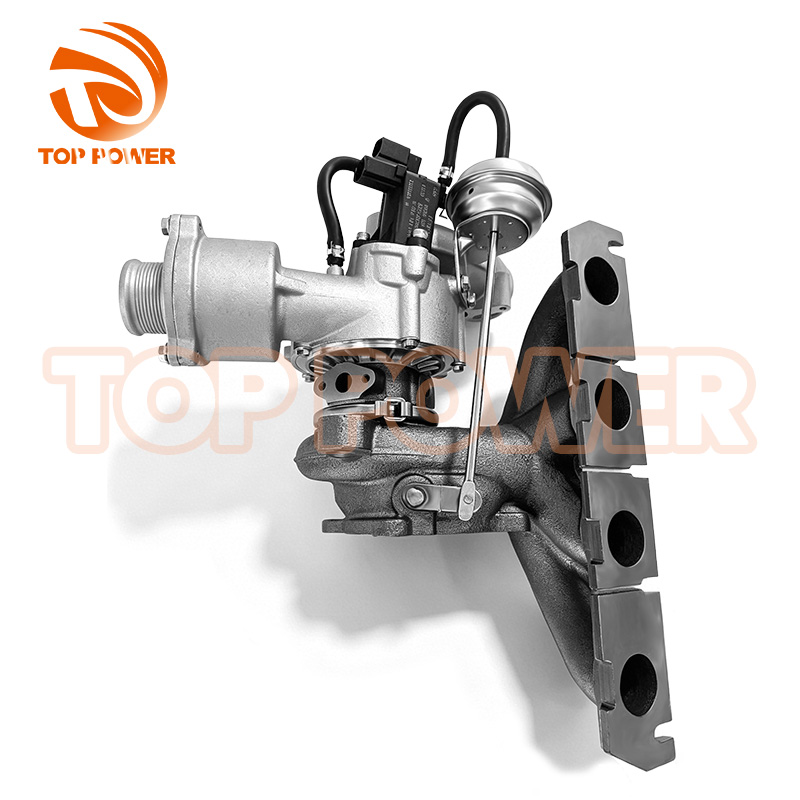
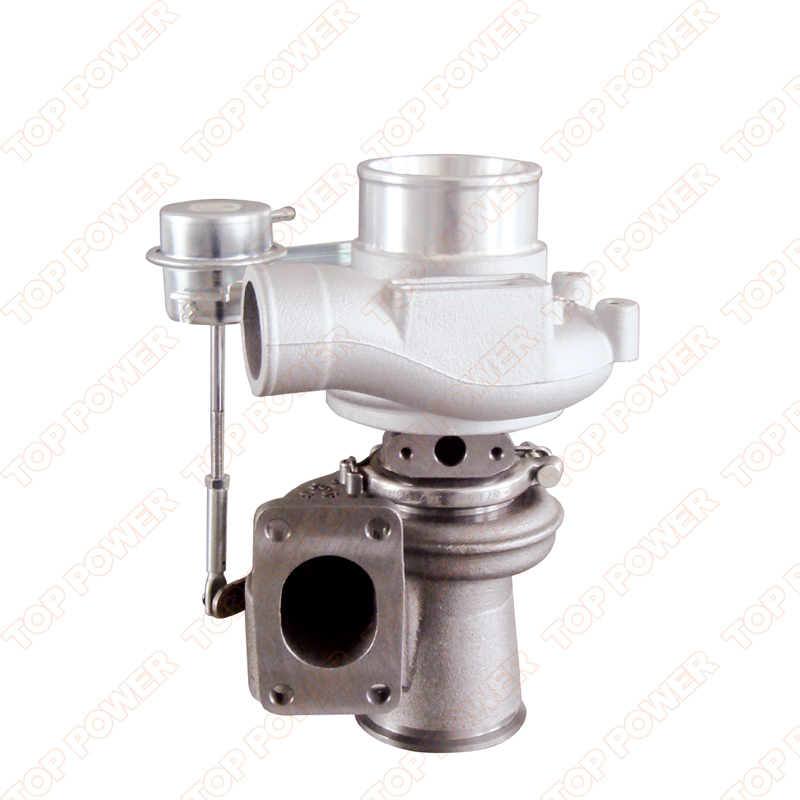
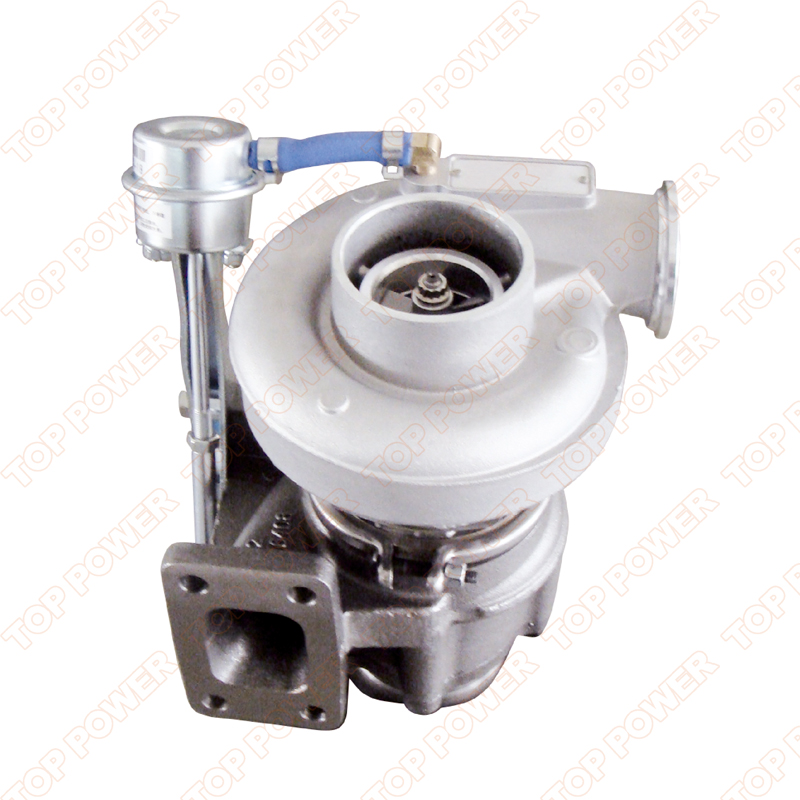
A wastegate actuator uses boost pressure and a spring to control the wastegate valve.
As boost builds, pressure pushes against a diaphragm
Once it reaches a set level, the wastegate opens
Excess exhaust gas bypasses the turbine, limiting boost
👉 It’s a purely mechanical system, no electronics involved.
Electric Actuator (Electronic)
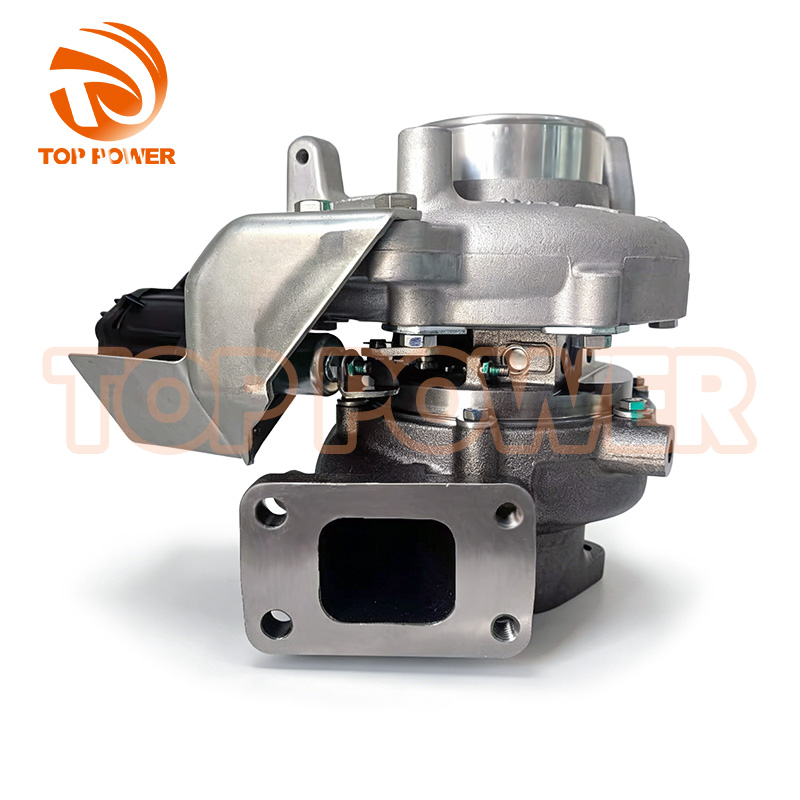
An electric actuator is controlled by the ECU (engine control unit).
Uses a motor and internal position sensor
Adjusts the wastegate or VGT vanes in real time
Responds to throttle, RPM, load, temperature, etc.
👉 It’s a fully controlled system, constantly adjusting.
Real-World Differences
1. Boost Control Accuracy
Wastegate actuator: fixed, based on spring pressure
Electric actuator: dynamic, constantly optimized
👉 Electric = much more precise
2. Driving Feel
Wastegate: can feel a bit “rough” or less consistent
Electric: smoother acceleration, better throttle response
3. Reliability & Maintenance
Wastegate actuator:
Simple structure
Easy to diagnose
Can sometimes be repaired
Electric actuator:
More complex
Sensitive to electronics
Usually replaced, not repaired
4. Application
Wastegate actuator is common in:
Older turbo engines
Diesel trucks
Budget or simple systems
Electric actuator is used in:
Modern passenger cars
VGT/VNT turbo systems
Engines with strict emission requirements
Common Problems
Wastegate Actuator
Weak spring → low boost
Diaphragm leak → no boost control
Stuck rod → overboost or underboost
Electric Actuator
Motor failure → no movement
Position sensor error → limp mode
Wiring issues → intermittent boost problems
Which One Should You Choose?
If you want simple, durable, low cost → go with wastegate actuator
If you need precision, performance, modern compatibility → choose electric actuator
Bottom Line
Wastegate actuators are all about simplicity and reliability.
Electric actuators are about precision and control.
As engines become more advanced, electric actuators are becoming the standard — but wastegate actuators are still widely used where toughness and cost matter most.
The Practical Takeaway
For buyers and technicians, the choice between a wastegate actuator and an electronic actuator depends on the application.
For modern vehicles and high-performance systems, electronic actuators offer better control and efficiency.
For simpler engines or heavy-duty use, wastegate actuators provide a reliable and cost-effective solution.
In the end, both technologies have their place. Understanding how they work — and where they perform best — helps ensure the right choice for long-term performance and durability.