

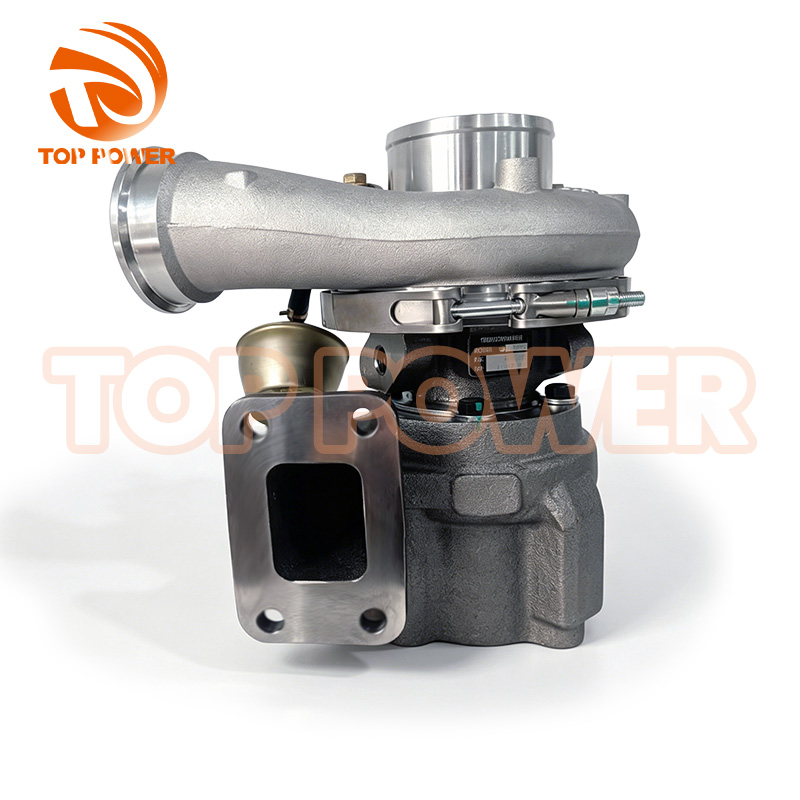
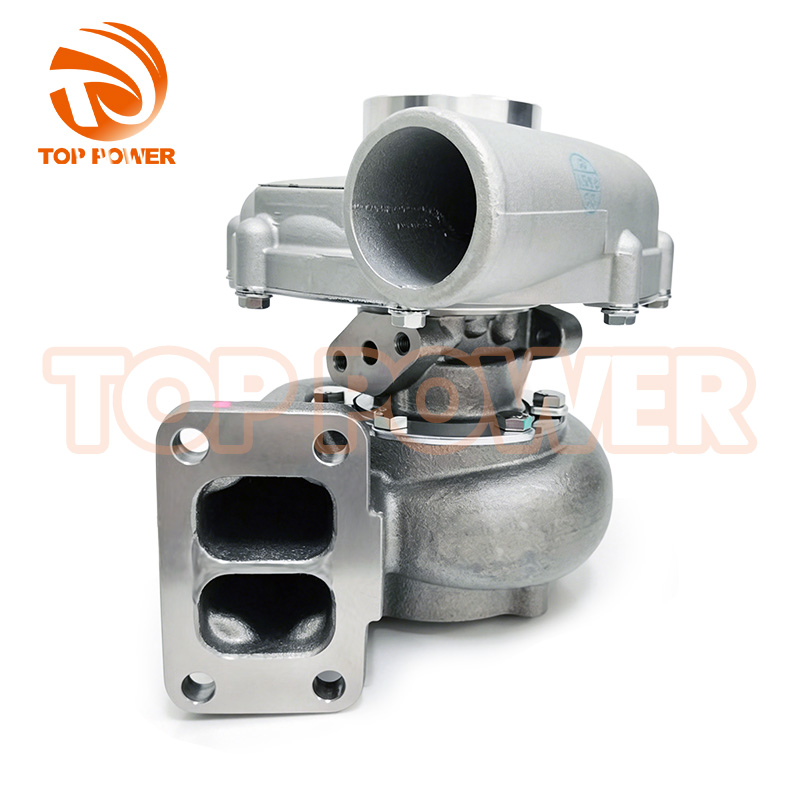
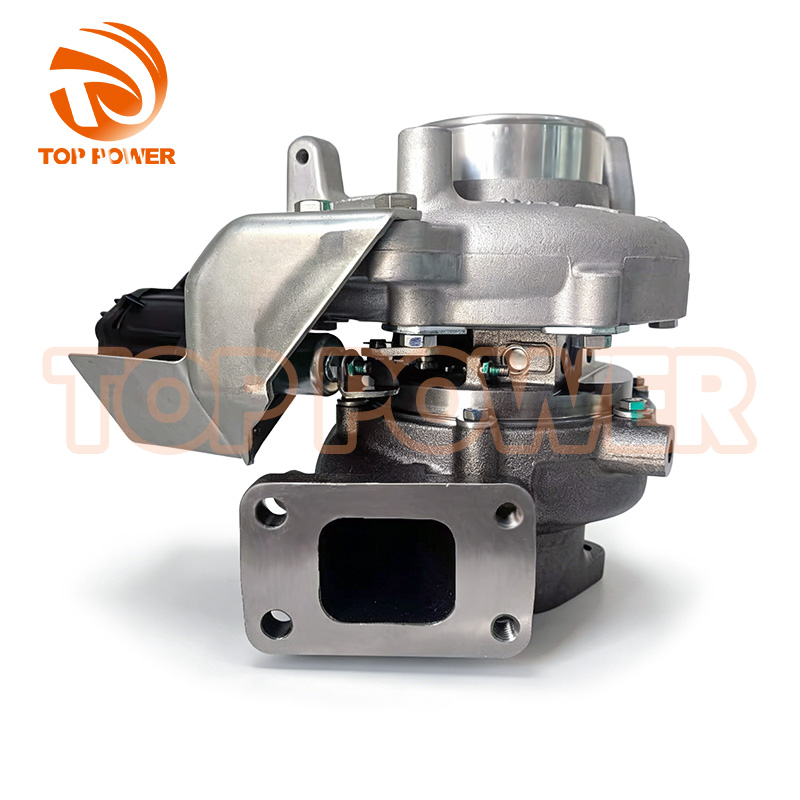
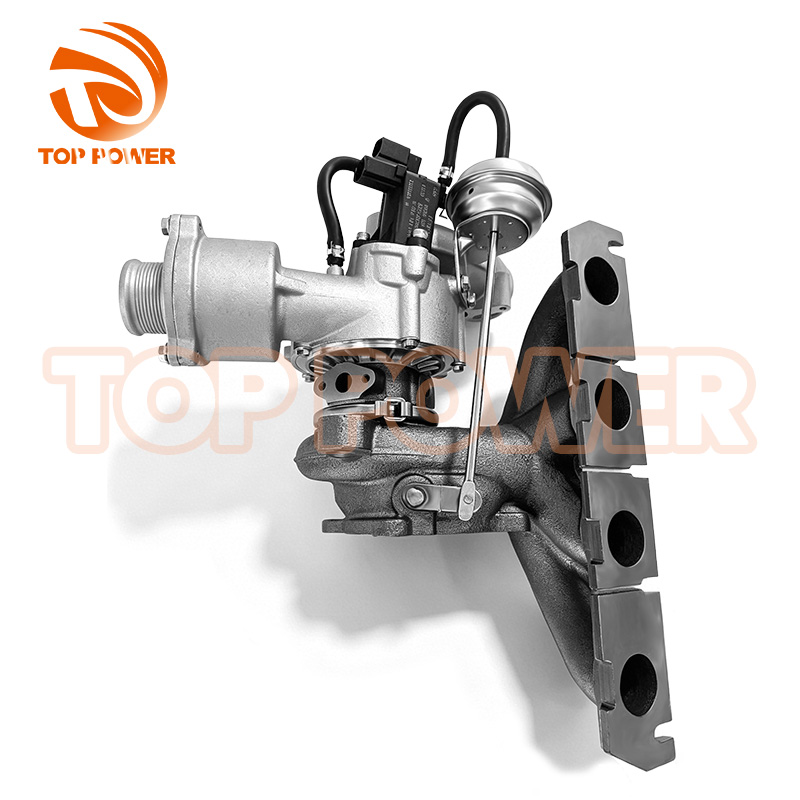
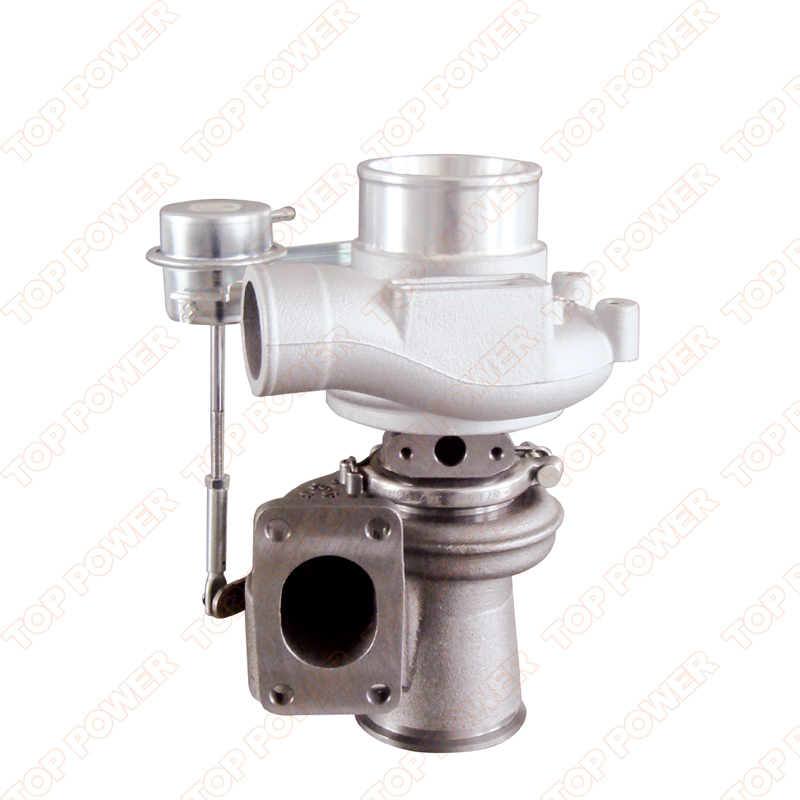
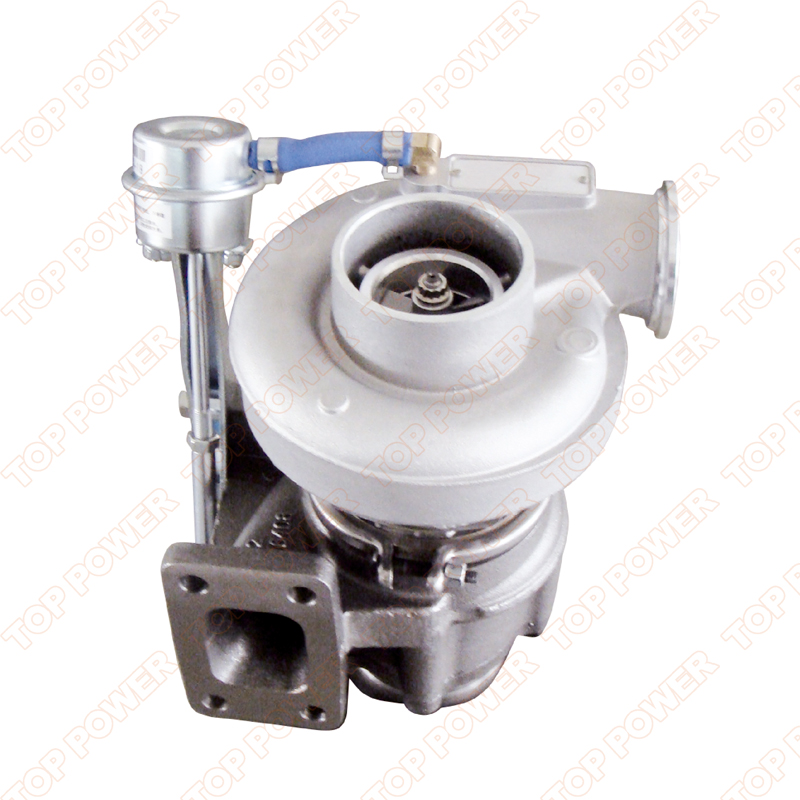
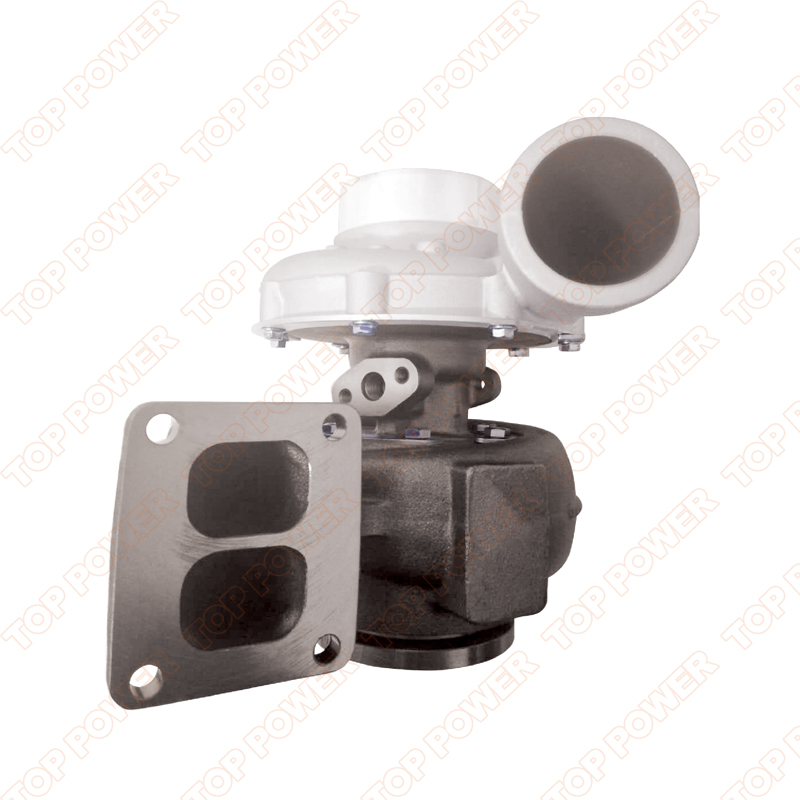
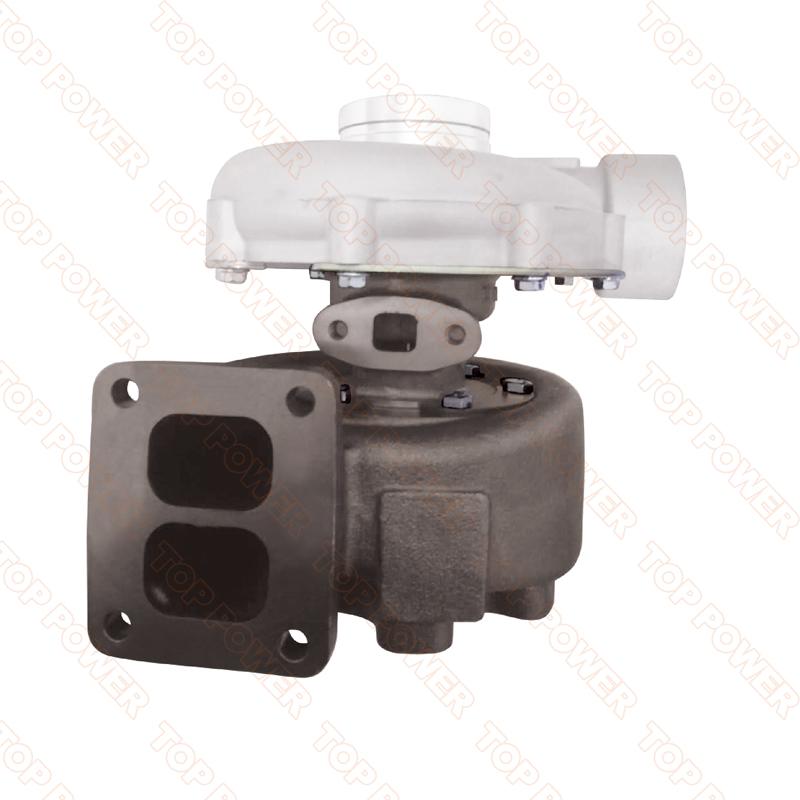
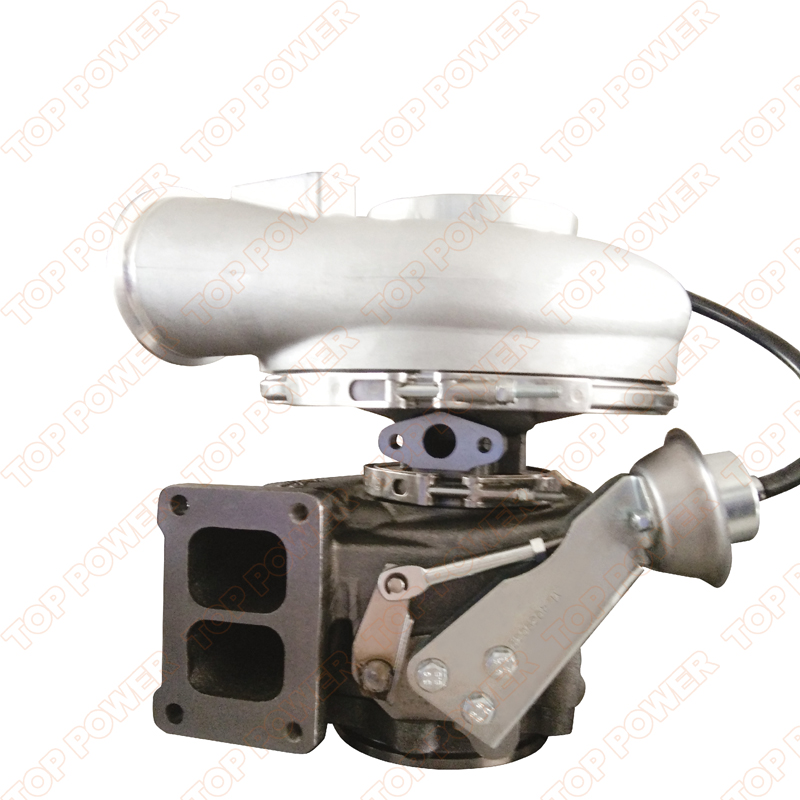
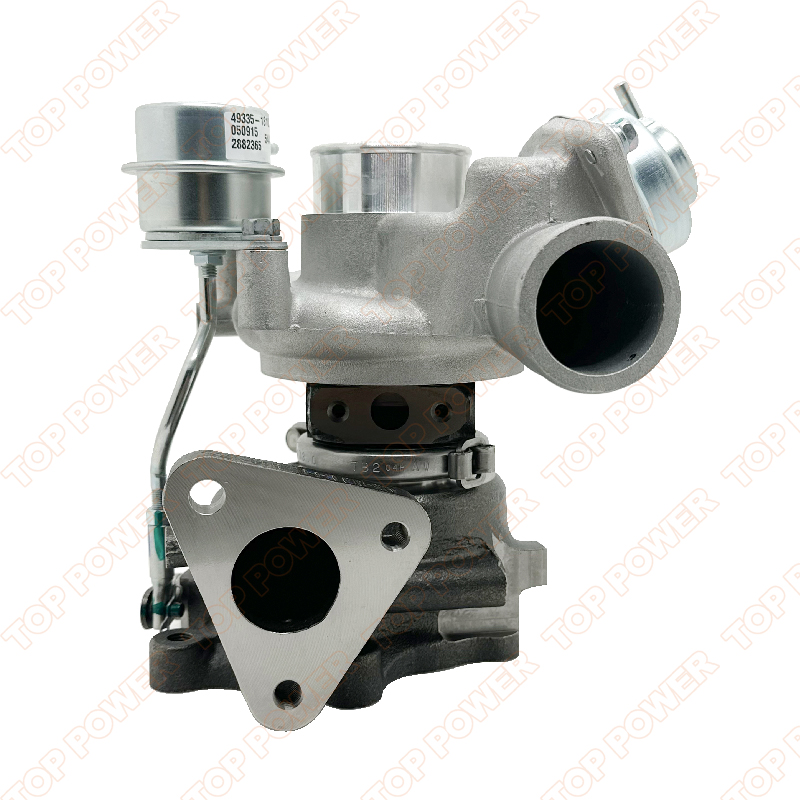

Turbocharger failure is more common in heavy-duty engines because these engines work under much harsher operating conditions than passenger cars. Trucks, buses, construction machinery, and agricultural equipment often run for long hours, carry heavy loads, and operate in demanding environments. All of this puts more stress on the turbocharger and its supporting systems.
One major reason is constant high load. Heavy-duty engines are frequently expected to deliver strong power for long periods, especially during towing, hauling, climbing, or idling under load. This means the turbocharger must maintain high boost and high-speed rotation for extended periods. Over time, that continuous stress can accelerate bearing wear, shaft imbalance, and heat damage.
Heat is another important factor. Turbochargers already operate at extremely high temperatures, and heavy-duty engines often face even more thermal stress because of prolonged operation and intense combustion conditions. If cooling is not sufficient, or if the engine is shut down too quickly after hard work, heat can remain trapped inside the turbo and damage the oil film, seals, and internal components.
Oil quality also plays a big role. A turbocharger depends on clean oil for lubrication and cooling. In heavy-duty applications, oil contamination, delayed maintenance, or clogged oil passages can quickly lead to failure. Dust, carbon deposits, and metal particles are more likely to appear in engines that run in rough environments or go through long service intervals. Once the oil supply is affected, turbo wear can happen much faster.
Air intake contamination is another common problem. Heavy-duty vehicles and machinery often work in dusty, dirty, or off-road conditions. If the air filter is not maintained properly, dirt can enter the compressor side of the turbocharger and damage the wheel. Even small particles can reduce efficiency, create noise, and shorten service life.
Exhaust system restrictions can also increase turbo failure risk. When the exhaust flow is blocked or backpressure becomes too high, the turbocharger has to work harder than normal. This additional stress can lead to poor performance, overheating, and premature wear. In heavy-duty engines, even small problems in the exhaust or intake system can have a bigger impact than in lighter vehicles.
Another reason failure happens more often is that heavy-duty engines are often used in commercial fleets, where downtime is expensive. Because of this, some maintenance schedules are stretched too far, or repairs are delayed until the problem becomes serious. A turbocharger that shows early warning signs such as smoke, loss of power, or unusual noise may continue running for some time before replacement, which increases the chance of complete failure.
Incorrect installation is also a common cause. Replacing a turbocharger without cleaning the oil lines, checking the intake system, or fixing the root cause of the previous failure can lead to repeated breakdowns. Heavy-duty engines are less forgiving when installation quality is poor, because the operating pressure and workload are much higher.
For buyers and fleet managers, the key is not just choosing a turbocharger, but also choosing the right quality level, part number, and supplier support. A reliable replacement turbo, combined with proper maintenance and correct installation, can greatly reduce failure risk and keep the engine working longer.
At Fengcheng Top Power, we understand the demands of heavy-duty applications. That is why we focus on stable quality, accurate matching, and practical solutions for commercial vehicles and machinery. In heavy-duty engines, durability is not optional. It is essential for keeping vehicles on the road and operations running smoothly.