


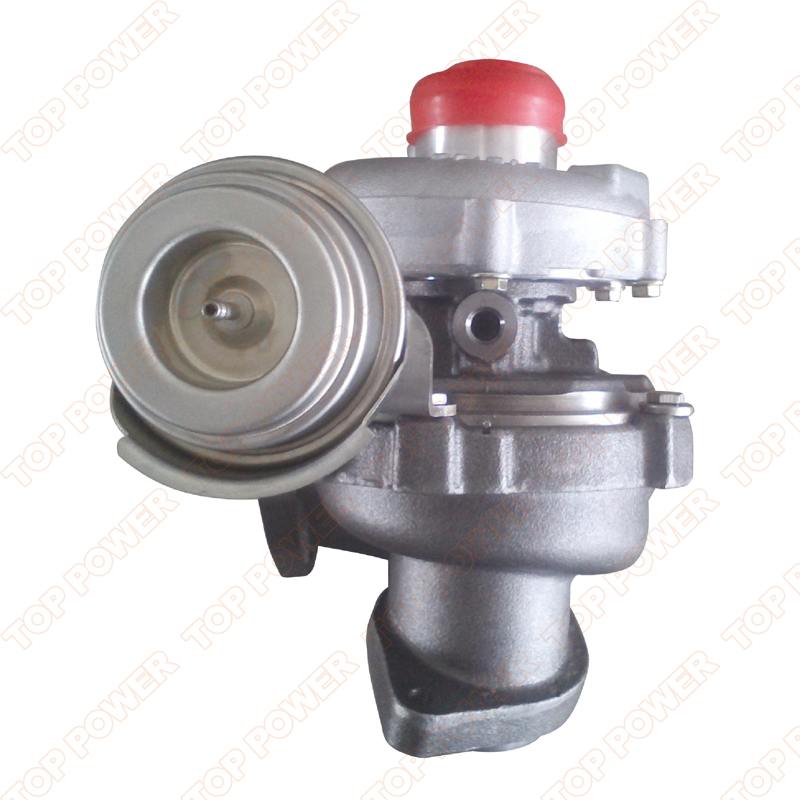

Why Turbochargers Need Clean Engine Oil
Turbochargers are built to work under extreme conditions. They spin at very high speeds, handle intense heat, and rely on stable lubrication to keep every moving part operating smoothly. Because of this, clean engine oil is not optional — it is one of the most important factors affecting turbocharger life and performance.
A turbocharger’s rotating assembly depends on a thin and stable oil film to reduce friction and protect the shaft and bearings. When the oil is clean, it can flow properly through the turbo, carry away heat, and keep the internal components running in balance. But when oil becomes dirty, contaminated, or degraded, the risk of damage increases quickly.
Clean Oil Protects High-Speed Components
Inside the turbocharger, the shaft and bearing system operate at extremely high speed. Any loss of lubrication can cause metal-to-metal contact, overheating, and accelerated wear.
Clean oil forms a protective layer that helps the turbo rotate freely without excessive friction. If the oil contains sludge, carbon deposits, or tiny metal particles, these impurities can block oil passages and reduce lubrication quality. Over time, that can lead to bearing failure, shaft wear, and even complete turbo breakdown.
Dirty Oil Can Cause Carbon Buildup
One of the biggest threats to turbochargers is carbon buildup. When engine oil is old or exposed to high heat for too long, it can break down and leave behind deposits.
These deposits can stick inside the oil supply line, restrict flow, and make it harder for the turbo to receive proper lubrication. In severe cases, carbon buildup can damage the turbo seals and shorten the service life of the entire unit.
This is why regular oil changes are so important, especially for diesel engines and vehicles that run under heavy loads.
Heat Makes Oil Quality Even More Important
Turbochargers generate and handle a great deal of heat. Even after the engine is turned off, the turbo may still retain high temperatures for a period of time.
If the oil inside the system is low quality or already contaminated, it may not be able to handle this heat effectively. As a result, the oil can oxidize faster, become thicker, and lose its protective ability.
Clean, high-quality engine oil helps maintain stable lubrication under these harsh conditions and supports better turbo reliability.
Poor Oil Can Lead to Costly Turbo Failure
Many turbocharger problems begin with oil issues. Inadequate lubrication, dirty oil, or blocked oil supply can cause:
bearing wear
shaft damage
oil leakage
smoke from the exhaust
abnormal noise
reduced boost performance
complete turbo failure
What looks like a turbo problem is often actually an oil maintenance problem. This is why many technicians always check engine oil condition before replacing a turbocharger.
Regular Maintenance Helps Extend Turbo Life
To keep a turbocharger in good condition, engine oil should be changed on time and the oil filter should also be replaced regularly. It is equally important to use the correct oil grade recommended for the engine.
Other good maintenance habits include:
warming up the engine before hard driving
avoiding sudden shutoff after high-load operation
checking for oil leaks
keeping the intake and exhaust system clean
These simple steps can significantly improve turbocharger durability and help prevent premature failure.
Final Thoughts
A turbocharger depends on clean engine oil for cooling, lubrication, and long-term protection. Without it, even a high-quality turbo can fail early.
For vehicle owners, workshops, and distributors, understanding the importance of clean oil is essential. Good lubrication does more than protect the engine — it protects the turbocharger, improves reliability, and helps the whole system perform better for longer.