


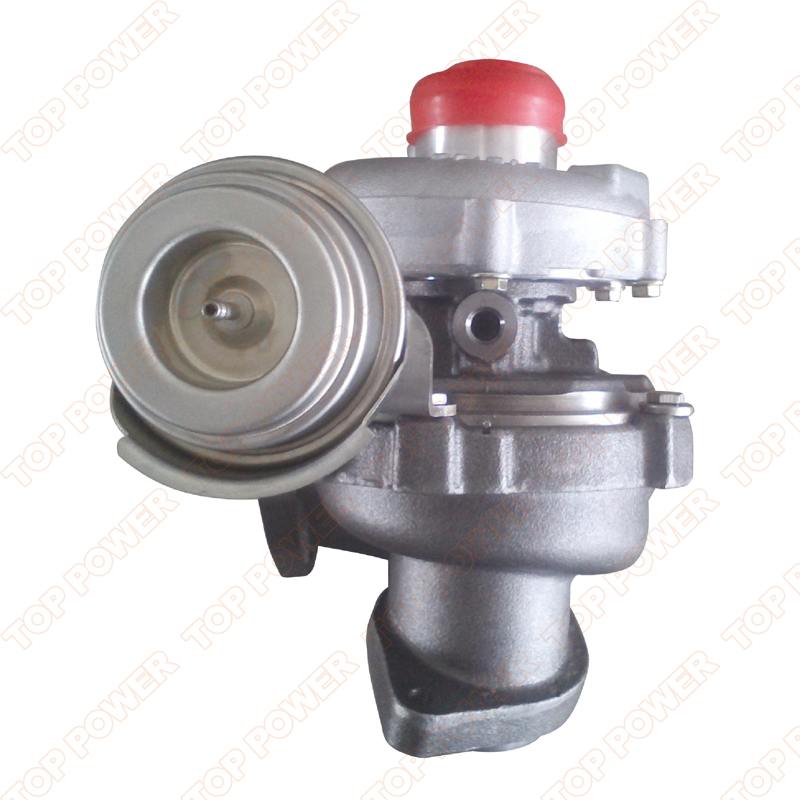

Turbocharger Oil Seals: How They Work and Why They Fail
Oil leakage is one of the most common complaints in turbocharger applications. Many people assume it’s simply a “bad seal,” but in reality, turbocharger oil seals work very differently from typical engine seals — and they rarely fail on their own.
Understanding how these seals function helps explain why oil leakage happens and how it can be prevented.
How turbocharger oil seals actually work
Unlike traditional rubber lip seals, most turbochargers use piston ring–style seals (metal sealing rings).
These seals are located on both sides of the shaft:
compressor side
turbine side
Their job is not to completely block oil, but to control oil flow within the center housing (CHRA).
👉 The key point:
Turbo oil seals rely on pressure balance, not just physical sealing.
The role of pressure inside the turbo
Inside a turbocharger, three forces are always interacting:
oil pressure (from engine lubrication system)
air pressure (compressor side boost)
exhaust pressure (turbine side)
When everything is working correctly:
oil stays inside the bearing housing
seals only act as a barrier, not a stopper
👉 If this balance is disturbed, oil can escape past the seals.
Why oil seals “fail” in real situations
In most cases, the seal itself is not the root problem. Here are the most common causes:
1. Blocked oil return line
If oil cannot flow back to the engine freely:
oil builds up inside the turbo
pressure forces oil past the seals
👉 This is one of the most common causes of oil leakage.
2. Excessive crankcase pressure
High crankcase pressure (PCV system issues) can:
slow down oil drainage
push oil into the turbo
👉 Result: oil leaks into intake or exhaust
3. Worn bearings
When bearings wear out:
shaft becomes unstable
sealing clearance increases
👉 Oil can pass through more easily
4. Poor oil quality or contamination
Dirty oil can cause:
carbon buildup (coking)
seal groove wear
restricted oil flow
👉 Over time, this damages sealing performance
5. Incorrect installation
Common mistakes include:
improper oil line routing
using wrong gasket or sealant
excessive sealant blocking oil passages
👉 Even a new turbo can leak if installed incorrectly
6. Extreme operating conditions
High temperature and high boost can:
increase internal pressure
accelerate oil breakdown
👉 This puts more stress on the sealing system
Common symptoms of oil seal issues
oil in intercooler pipes
blue smoke from exhaust
oil dripping from compressor or turbine housing
increased oil consumption
👉 Important: these symptoms do not always mean the seal itself is defective.
How to prevent oil seal problems
In real use, prevention is mostly about system condition:
ensure oil return line is clear and properly angled
maintain good crankcase ventilation
use clean, high-quality engine oil
allow proper warm-up and cool-down
avoid excessive sealant during installation
Final takeaway
Turbocharger oil seals are not designed to act like traditional seals. They depend on a stable pressure environment to function correctly.
👉 Most oil leakage issues are caused by system problems, not seal failure itself.
Understanding this helps avoid unnecessary replacements and ensures longer turbocharger life.