

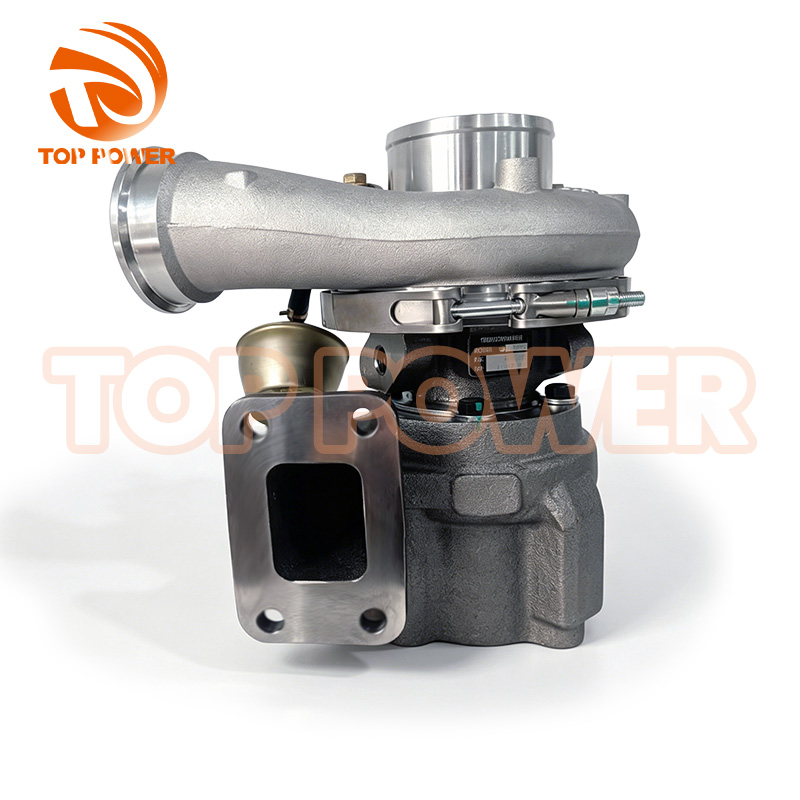
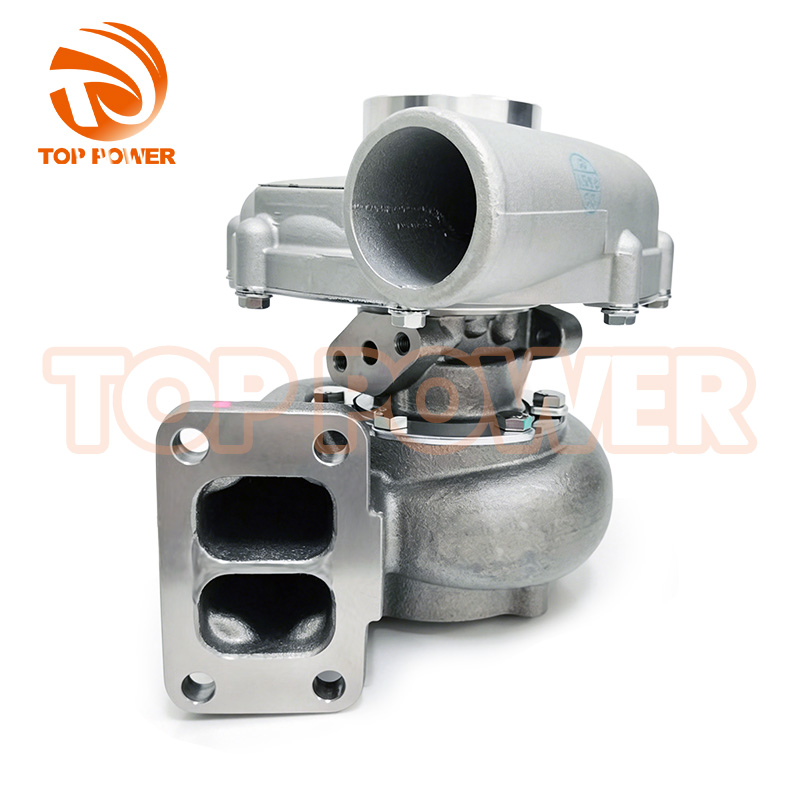
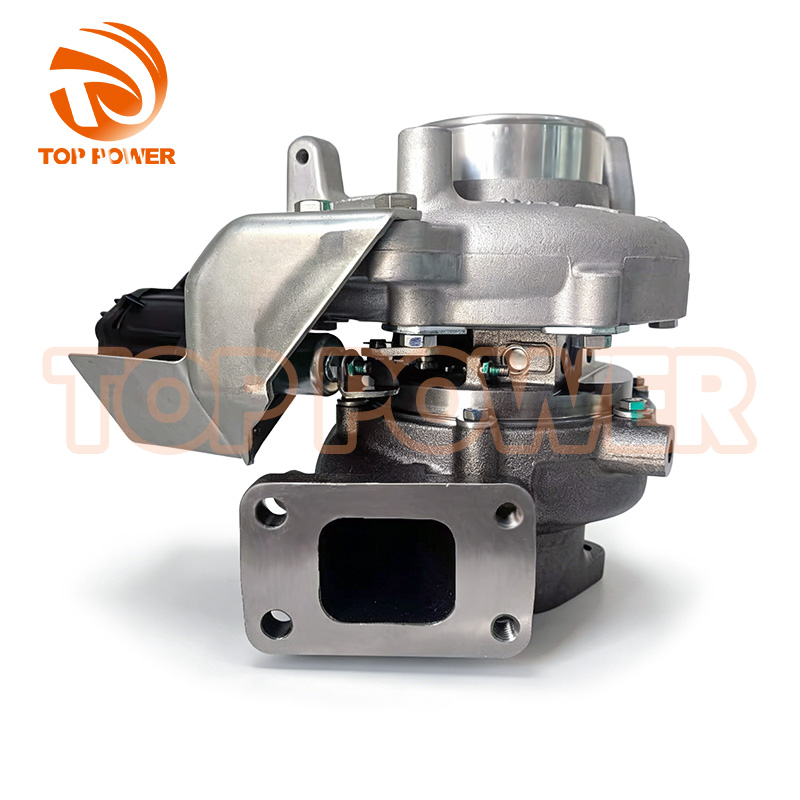
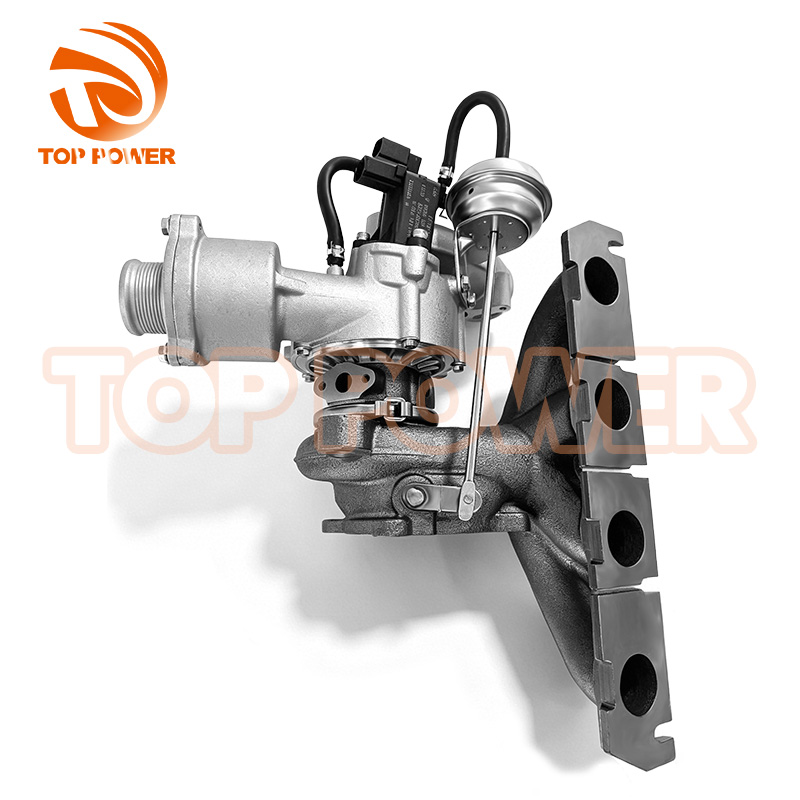
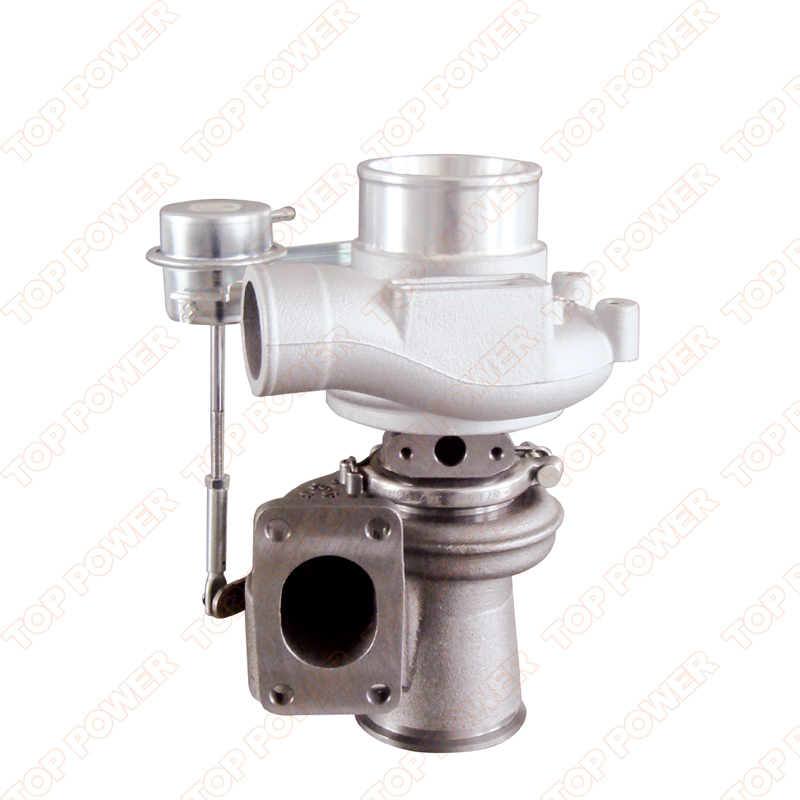
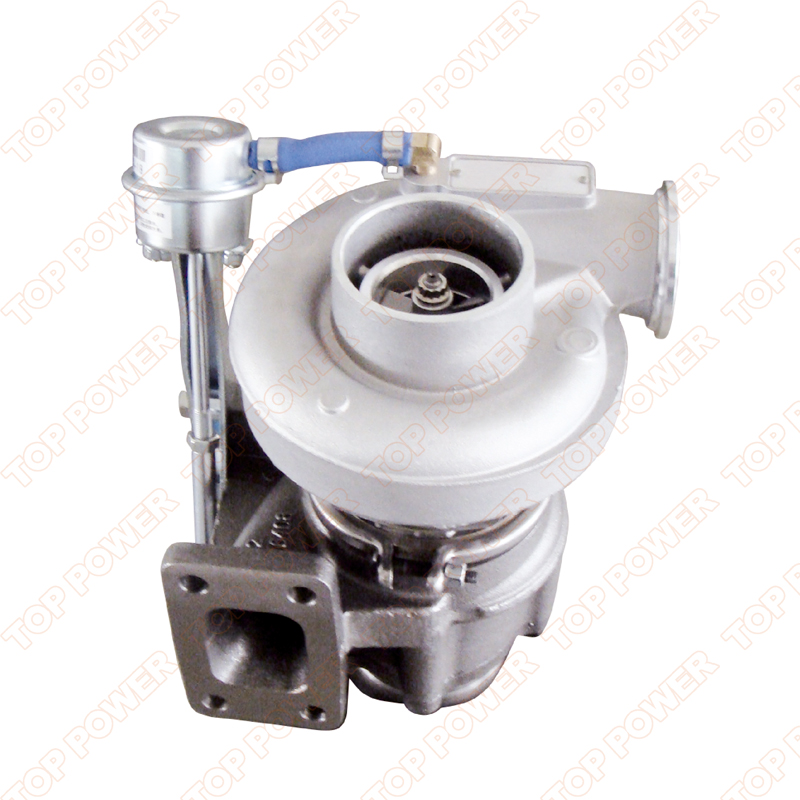
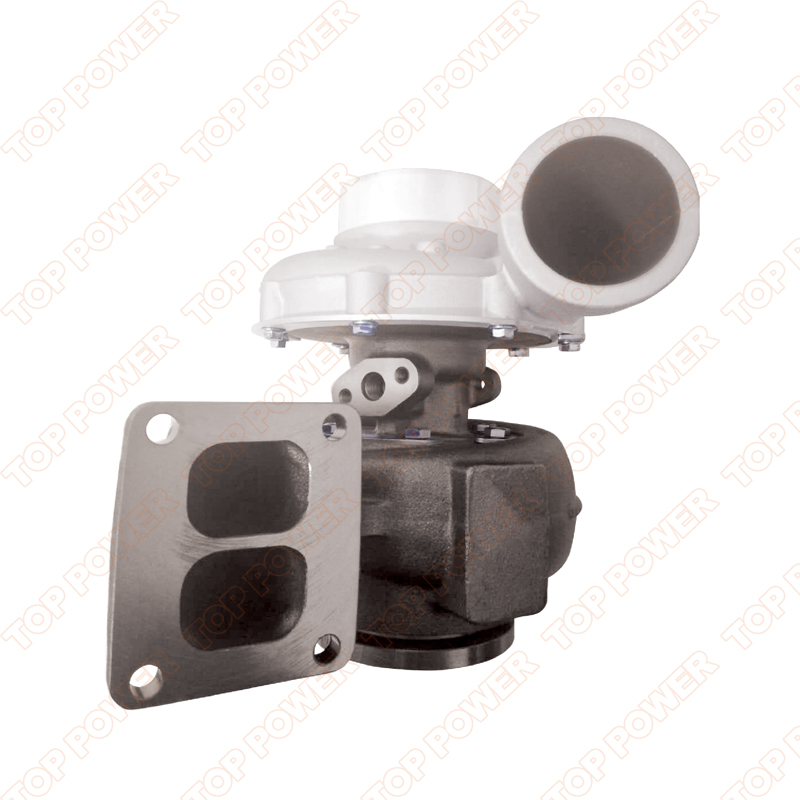
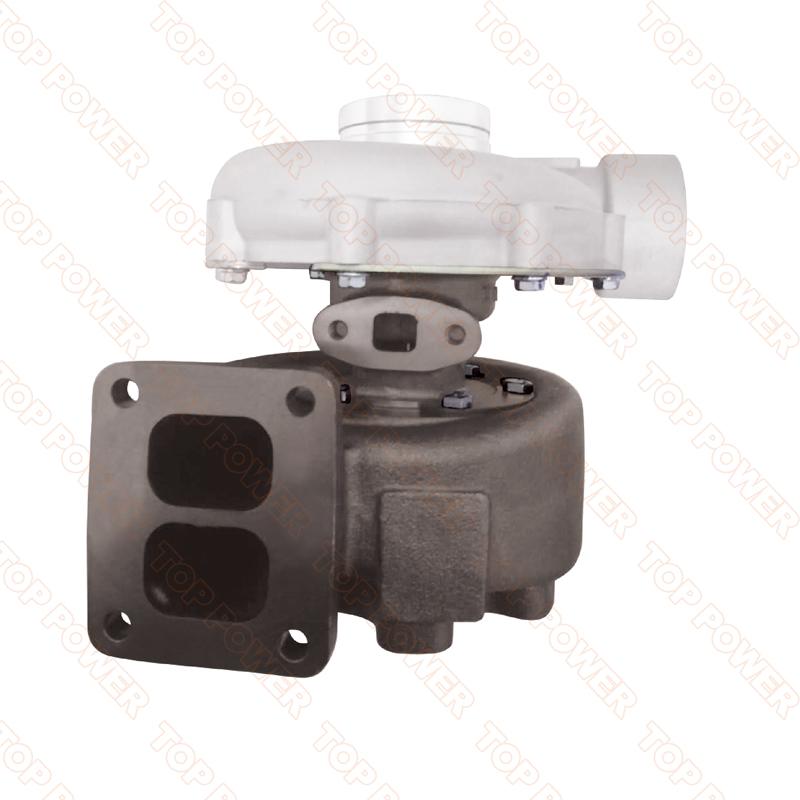

Many vehicle owners become concerned after removing the intake hose and discovering that the turbocharger shaft moves slightly by hand. Does this mean the turbocharger has failed? Should it be replaced immediately?
The answer is not necessarily.
A small amount of shaft movement is completely normal on many turbochargers, especially journal bearing designs. The key is understanding which type of movement is acceptable and which indicates excessive wear. Misjudging shaft play can lead to unnecessary turbo replacement or, even worse, overlooking a turbocharger that is about to fail.
What Is Turbocharger Shaft Play?
Turbocharger shaft play refers to the small amount of movement of the rotating shaft inside the center housing.
The shaft is supported by bearings and centered by a thin film of engine oil during operation. When the engine is switched off, oil pressure disappears, so some movement can naturally be felt by hand. This is a normal design characteristic rather than a manufacturing defect.
Two Types of Shaft Play
1. Radial Shaft Play (Side-to-Side Movement)
Radial play means moving the shaft left, right, up, or down.
For most journal bearing turbochargers:
A slight amount of radial movement is normal.
The compressor wheel should rotate freely.
The blades should not touch the compressor housing.
Because the oil film is absent when the engine is off, the shaft naturally feels looser than it does during operation. Once oil pressure builds, the shaft becomes properly centered.
2. Axial Shaft Play (In-and-Out Movement)
Axial play refers to pushing and pulling the shaft along its axis.
Unlike radial play, axial movement should be very small.
Excessive axial play often indicates:
Thrust bearing wear
Bearing failure
Oil seal damage
Internal turbocharger wear
If noticeable end-to-end movement can be felt easily by hand, the turbocharger should be inspected before further operation.
When Shaft Play Becomes a Problem
Normal shaft movement becomes abnormal if any of the following conditions are found:
Compressor wheel contacts the housing
Scratches or polishing marks appear inside the compressor housing
Metallic scraping noise
Excessive oil leakage
Blue or black exhaust smoke
Loss of boost pressure
High-pitched whining noise
Shaft feels loose in multiple directions
These symptoms usually indicate bearing wear or internal damage rather than normal operating clearance.
What Causes Excessive Shaft Play?
Several factors can accelerate turbocharger wear.
Poor lubrication
Dirty oil, blocked oil supply lines, or insufficient oil pressure quickly damage the bearings.
Foreign object damage
Dust, broken air filters, or debris entering the compressor wheel can unbalance the rotating assembly.
Oil contamination
Carbon deposits and metal particles gradually increase bearing wear.
Overspeed
Running beyond the turbocharger's designed boost level increases shaft loading.
Incorrect installation
Installing a replacement turbo without cleaning the oil system is one of the leading causes of premature bearing failure.
How to Inspect Turbo Shaft Play
A quick inspection can help determine whether further diagnosis is needed.
Check for:
✓ Smooth shaft rotation
✓ No blade contact with the housing
✓ Minimal axial movement
✓ Slight radial movement only
✓ No oil leakage
✓ No damaged compressor blades
For accurate evaluation, professional workshops measure shaft clearance with a dial indicator according to the manufacturer's specifications rather than relying only on hand feel.
Should You Replace the Turbocharger?
A turbocharger should not be replaced simply because slight radial movement is detected.
Replacement is generally recommended when:
The compressor or turbine wheel contacts the housing.
Axial play exceeds the manufacturer's tolerance.
Bearings are worn or damaged.
Oil seals fail.
Boost pressure drops significantly.
Internal damage is confirmed during inspection.
Buying Tips for Replacement Turbochargers
If replacement is necessary, buyers should verify:
OEM part number
Engine application
Bearing type (journal or ball bearing)
Dynamic balancing certification
Factory testing procedures
Warranty coverage
Supplier technical support
Choosing a reliable supplier helps reduce warranty claims, improve installation success, and ensure long-term turbocharger performance.
FAQ
Is a small amount of turbo shaft play normal?
Yes. Slight radial movement is normal on many journal-bearing turbochargers when the engine is off because there is no oil pressure supporting the shaft.
Is axial play normal?
Very little axial movement is acceptable. Excessive in-and-out movement usually indicates thrust bearing wear.
Can I drive with excessive shaft play?
Continuing to drive with excessive shaft play may lead to compressor wheel contact, oil leakage, loss of boost, and complete turbocharger failure.
Does every turbocharger have the same allowable shaft play?
No. Acceptable clearance varies depending on the turbocharger design and whether it uses journal bearings or ball bearings. Always compare measurements with the manufacturer's specifications.