


Buying a turbocharger is not only about finding the right price. For buyers, distributors, and repair shops, the real goal is to make sure the product matches the engine, performs reliably, and arrives with consistent quality. A turbocharger may look simple from the outside, but the wrong choice can lead to installation problems, poor performance, customer complaints, and costly returns. That is why checking the right details before placing an order is so important.
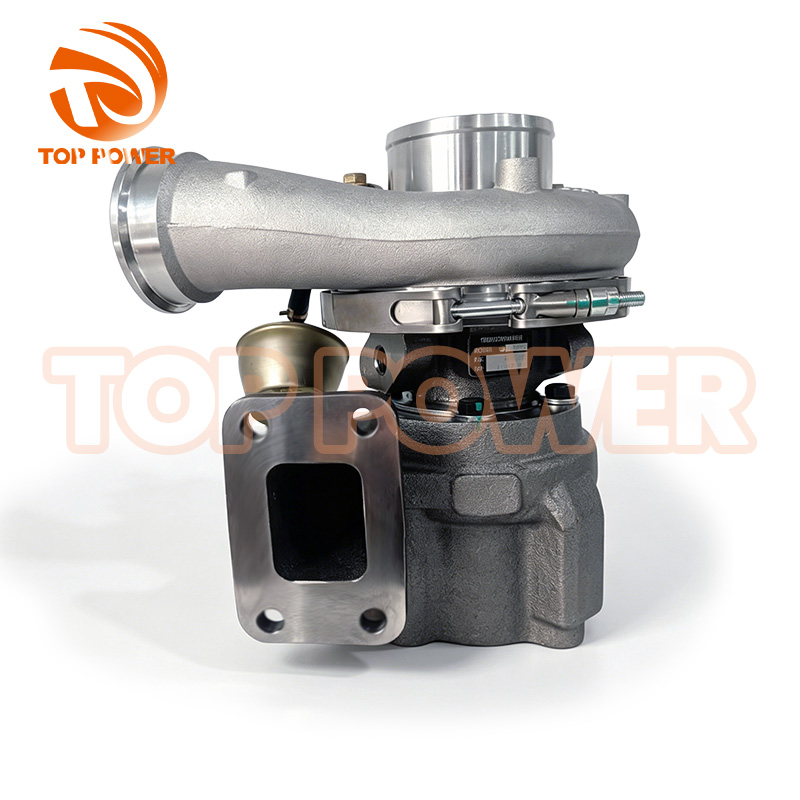
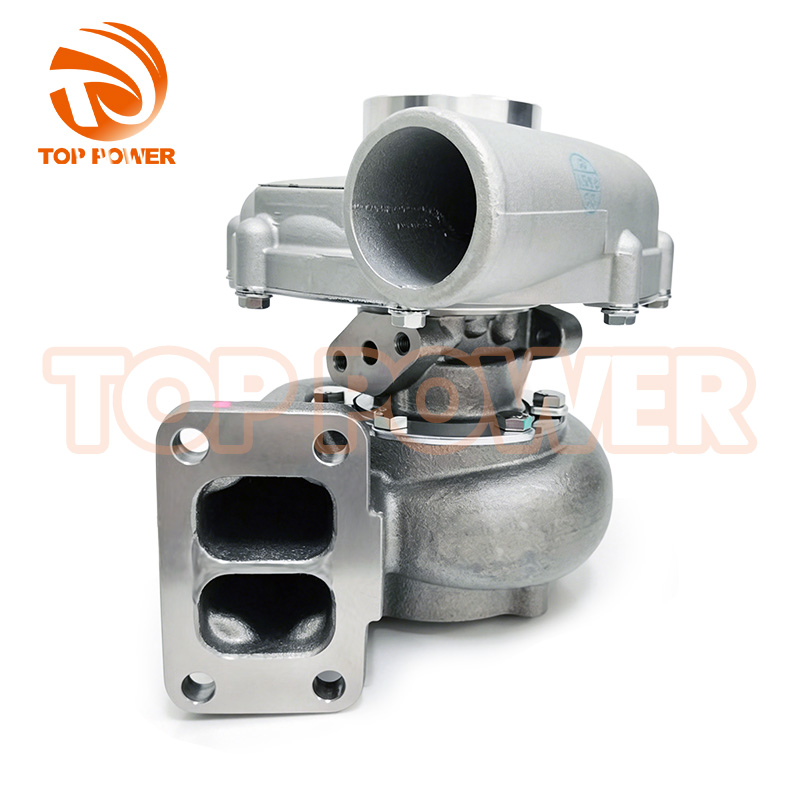
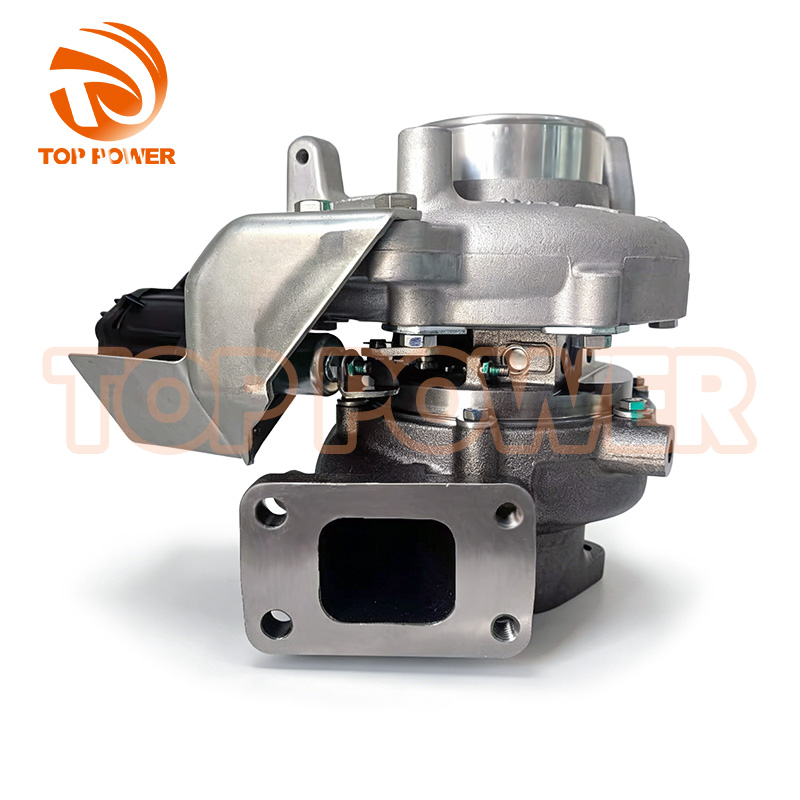
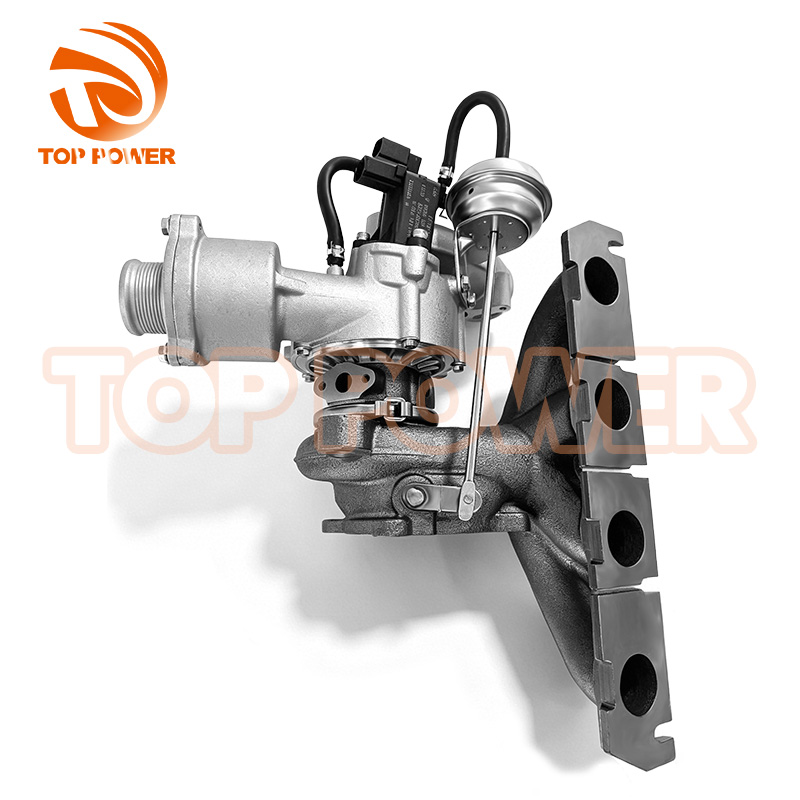
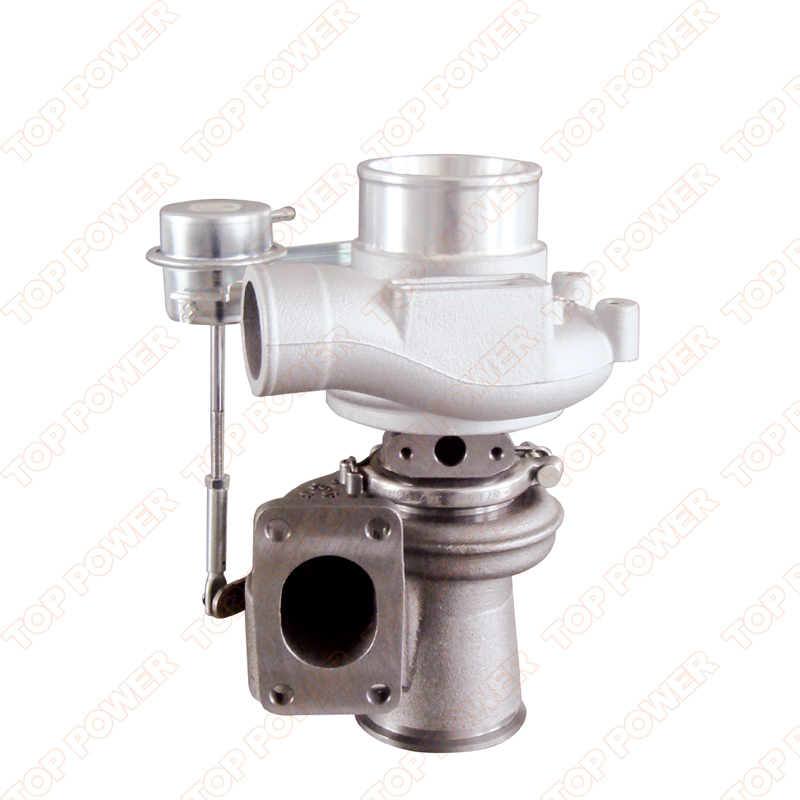
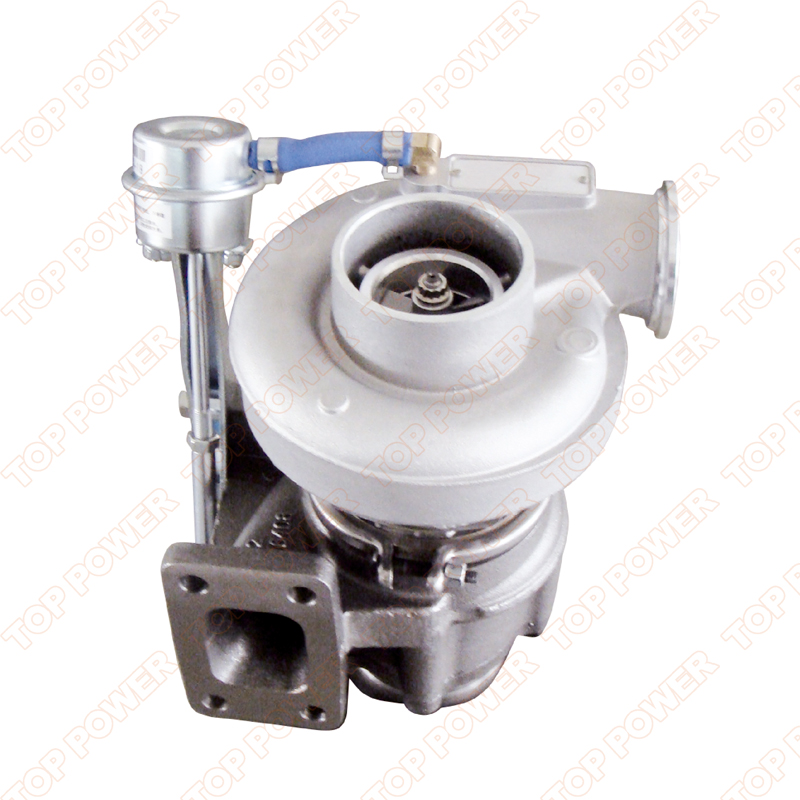
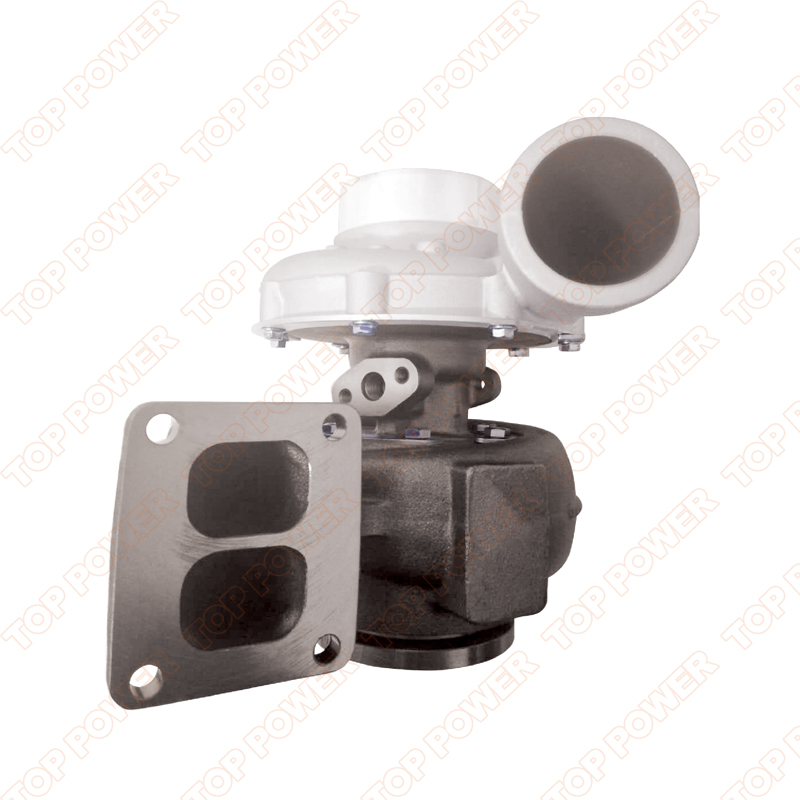
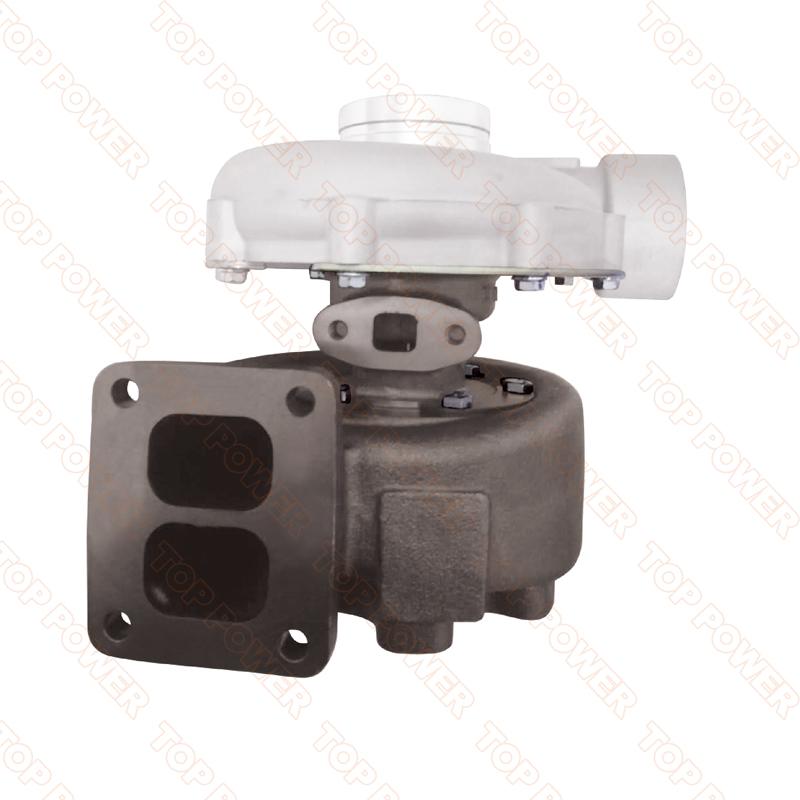
The first thing buyers should confirm is the part number. Turbochargers are designed for specific engine applications, and even small differences in the model can affect fitment and performance. A unit that looks similar may still have a different compressor housing, turbine housing, actuator setup, or mounting position. If the part number is not correct, the turbo may not install properly or may not deliver the expected boost pressure. For this reason, part number matching should always be the first step.
Next, buyers should verify the engine code and vehicle application. A turbocharger is usually matched to a certain engine series, emission standard, and vehicle type. The same part may not work across different versions, even if the outer shape appears the same. By checking the engine code, buyers can reduce the risk of ordering the wrong unit and avoid unnecessary troubleshooting after installation.
Another important point is the supplier’s product quality. Buyers should ask about material standards, balancing process, sealing performance, and testing procedures. A reliable turbocharger supplier should be able to provide stable quality control and consistent production. Poorly made turbochargers may cause oil leakage, abnormal noise, weak boost, or early failure. In the long run, a cheaper product with unstable quality often costs more than a slightly higher-priced reliable one.
Buyers should also check whether the turbocharger is new, rebuilt, or aftermarket replacement. These categories are not the same, and each one has different price levels, quality expectations, and market positioning. Clear communication about product type helps prevent misunderstandings and makes it easier to match the right product to the target market.
Packaging and shipping condition are also worth checking. Turbochargers are precision parts, so they should be packed safely to prevent damage during transport. Buyers should ask whether the supplier uses protective packaging, export cartons, and proper handling methods. This is especially important for international buyers who need the product to arrive in clean and usable condition.
In addition, buyers should confirm the supplier’s ability to provide samples, technical support, and after-sales service. A dependable supplier should be able to answer questions quickly, provide matching advice, and support order confirmation before shipment. Good communication is often a sign of a professional turbocharger supplier and helps reduce risk in bulk purchasing.
Lead time and stock availability are also key factors. For repair shops and distributors, fast delivery can make a big difference in customer satisfaction. If a supplier can provide stable stock and quick shipment, buyers can respond faster to market demand and reduce downtime for end users.
At Fengcheng Top Power, we understand that buyers need more than just a product. They need accurate matching, reliable quality, and a supplier they can trust for long-term cooperation. That is why we always recommend checking part number, engine code, quality standard, and delivery details before ordering.
In turbocharger procurement, the right questions before purchase can save time, reduce risk, and protect your business reputation. The more carefully buyers check in advance, the smoother the entire order process will be.